I give a street speech full of anger
On August 24, while walking through Nagoya toward Shizuoka, the Japanese government committed something it should never have done. They intentionally poisoned the well called Earth. Since the ocean release had been postponed several times, there was some expectation that it would not be done rashly this time, but that expectation was cruelly shattered.

When Professor Kim Yong-ok met Park Kyeong-ni when she was still alive, she asked her the question, “If you could name one problem facing the world right now, what would it be?” and she immediately answered, “Japanese problem.” Even when President Kim Dae-jung was alive, he said, ‘I am worried that Japan is almost taking democracy for free.’ He said. Their worries became reality.
An article has been published that explains the author’s point that the essence of the nuclear contaminated water problem lies in the decision-making method and that the crisis is caused by Japan’s weak democracy. Below is an article from Kyunghyang News Paper that interviewed a former Asahi News Paper reporter.
The gist of his interview was,
“The reason why the Japanese government’s decision to release contaminated water from the Fukushima nuclear power plant is dangerous is because the Liberal Democratic Party government may push to ‘create a nation capable of war’ in a similar way.”
From his point of view, if the public does not urge the government to stop releasing nuclear pollutants, a bigger crisis could occur. So far, a delicate check and balance surrounding nuclear armament has been possible thanks to U.S. deterrence, but if the U.S. misjudges in the face of U.S.-China confrontation, this kind of violence by the Japanese power class can be repeated in many different forms. The history of the past hundred years tells us. This year, on the 100th anniversary of the Kanto Massacre, our Korean descendants living in Japan cannot help but face the true nature of Japan.

But now it is different from the past. Unlike the days when the people were silent, the people today have the power to come together to resist the tyranny of power and correct its mistakes. When the runaway power reaches its peak, a reversal inevitably occurs. The French guillotine is an example. In a close sense, it is the same as the presidents of Korea going to jail or the ending being unfortunate. The people of the world must be prepared. A guillotine to strike them with mace.
The same goes for Korean society. We must punish Korea’s Yoon Seok-yeol and his behind-the-scenes Chosun Ilbo, who support the Japanese government, which is following such a wrong path, and are acting as its servants.
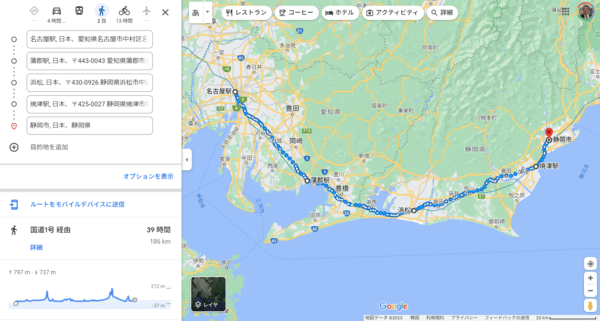
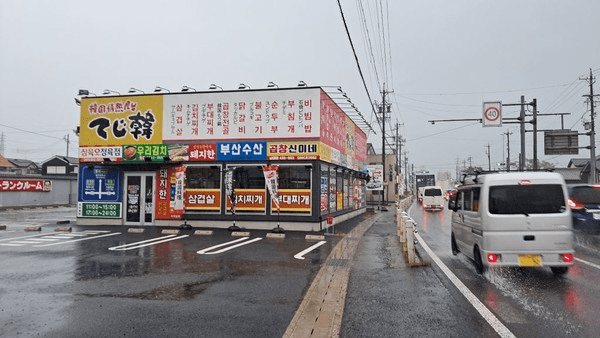


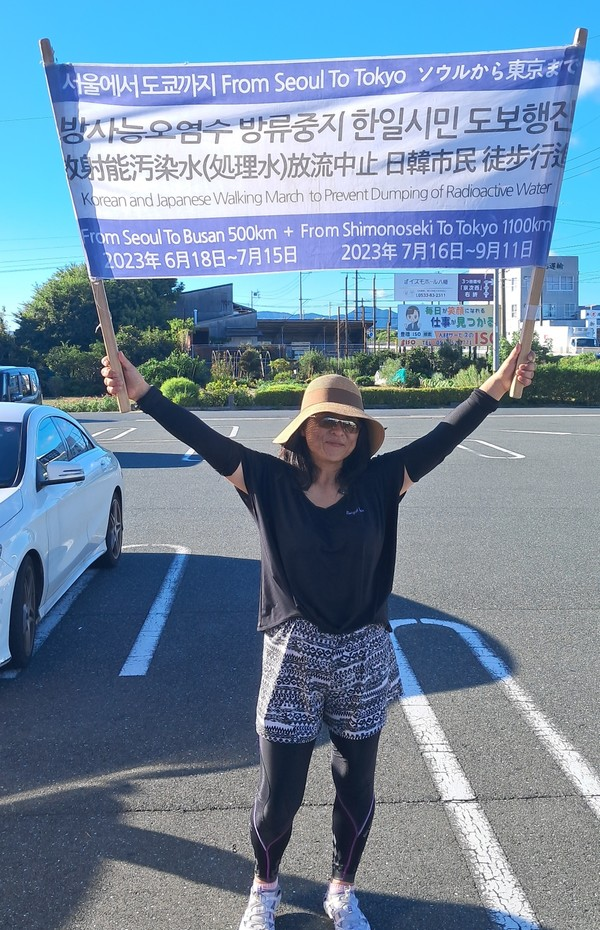

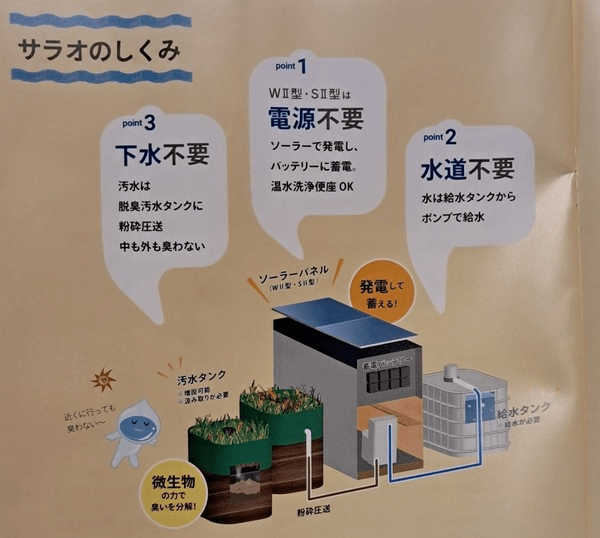
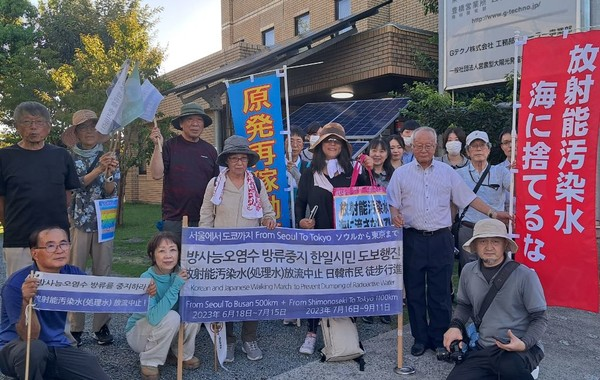
The highlight of the Aichi Prefecture parade was a visit to this company that officially displayed the red catchphrase, “Don’t throw radioactive contaminated water into the ocean!” In addition to manufacturing solar panels, it was a company that manufactured portable toilets. Looking at the product, I saw that it was a ‘portable ecological toilet’ that applied great self-sealing technology.
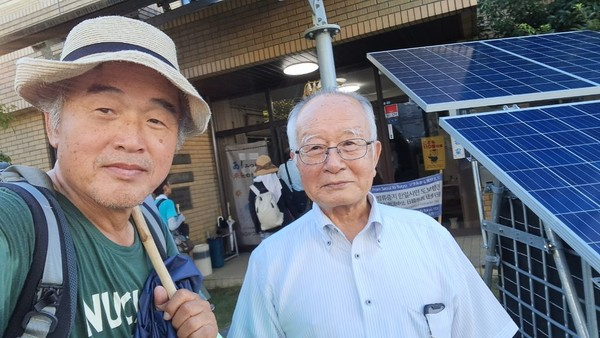
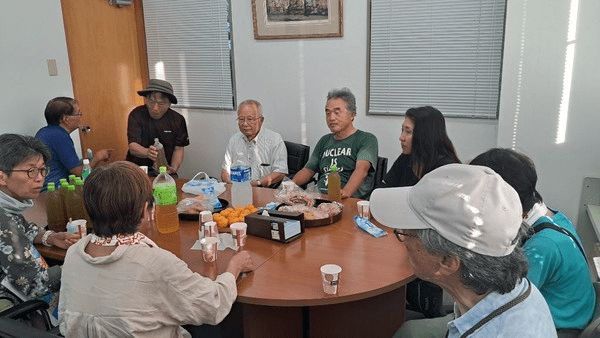
The owner of the company was Chairman Do Sang-tae (Japanese name To Souta), who was 82 years old. Chairman Do, a Korean resident in Japan, is a great person who has worked hard to promote exchanges between North and South Korea for peace on the Korean Peninsula. During breaks, I was able to rest comfortably at this person’s house thanks to his consideration, and I also received a lot of donations.




Looking back, there was a historical period in Japan when the people’s energy was united as one. There was the peasant ‘Iki’ (peasant revolt) struggle a long time ago, and recently there was also the ‘Zen Kyoto’ (student movement in the 1960s). Historically, both were in a somewhat isolated environment, and their methods of struggle had no choice but to veer toward physical resistance. Therefore, it was easy to be frustrated by the power of established power.
But it’s different now. Today’s Japan is connected to the world in every way. Even in the people’s struggle, we are in a solidarity environment. The author’s example of solidarity method shows this. Solidarity is also possible online. Peaceful struggle is possible for a long time. This is a time when we can truly demonstrate the power of the people.
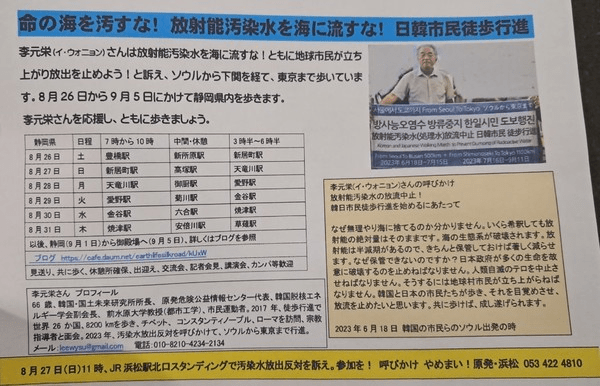
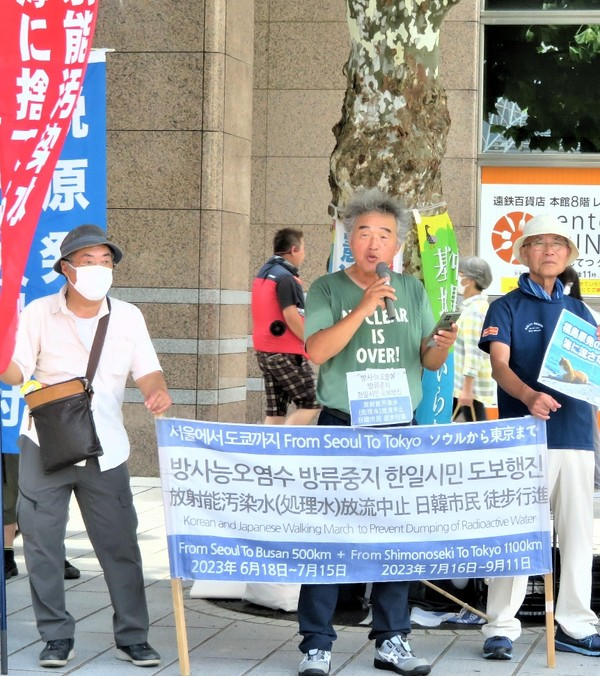
In front of Hamamatsu Station, I spoke in poor Japanese based on the note I wrote down my points above. Afterwards, several comrades also spoke one after another. But looking at the reactions of citizens, strangely enough, it feels different from before. There may be differences between regions, but unlike before, as of the 24th, when the Japanese government released water, it feels like citizens have given up to some extent because they have already released water.
Just as I was sensing the difference, I was asked to speak again by the organizer. He said he would like me to speak freely and spontaneously in Korean. Therefore, the author made a strong statement in Korean without an interpreter that seemed to break the calm atmosphere. It was a vivid street speech of my anger. Below is a video of my street speech.
Edited by: Wonyoung Lee, Guest Editor
(The author, Wonyoung Lee, is a former professor at the University of Suwon, who led the Korea-Japan citizen walking march to stop the discharge of radioactive contaminated water for about three months from June to September 2023. This article and photos are a record of the story of the march.)
Wonyoung Lee, Guest Editor leewysu@gmail.com
Translation by yoonhwa Cha
Categories: Korean-Japanese citizen walking march
 New Silk Road for Life and No-Nukes
Leave a comment