The organized power of awake citizens


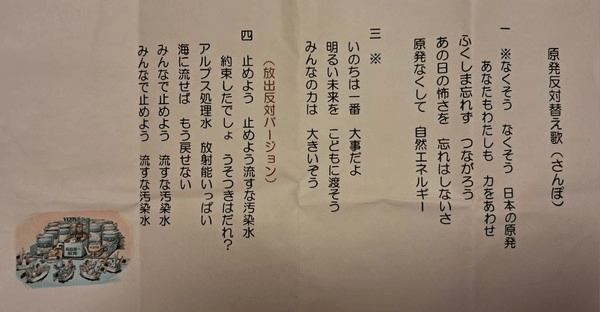
He wrote and prepared the lyrics for that song himself, to be sung here the next morning before the march began. The sincerity is amazing. What is noteworthy is that many young people were seen here. Among them, a young couple came to know me in detail and asked me the following question.
“Your major is urban engineering, so why did you become interested in nuclear power issues?”
Since other people have asked the same question about this, I would like to share my answer here.
“Urban planning, which I major in, also includes national land planning. Policies surrounding the location of nuclear power plants, which are dangerous facilities for the country, are naturally an area of interest for my major. I am particularly interested in the decision-making process, which can be considered the planning stage of site installation.”
I presented my thesis on this at a seminar seven years ago. An OhmyNews reporter reported this.
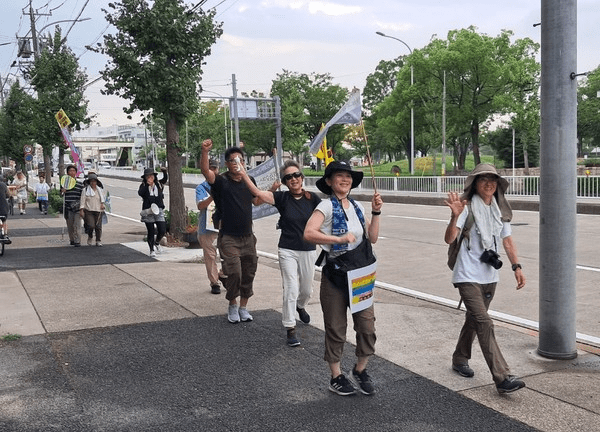
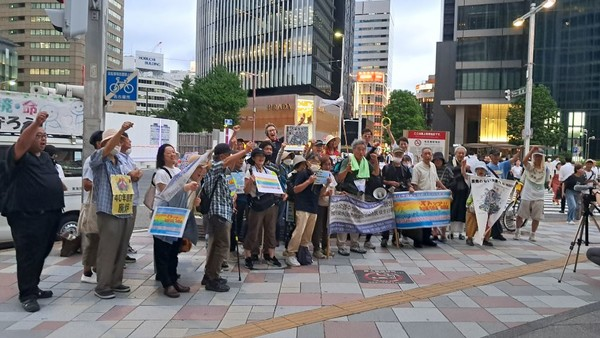
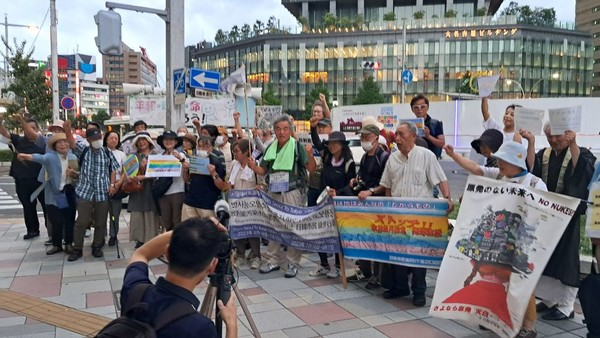

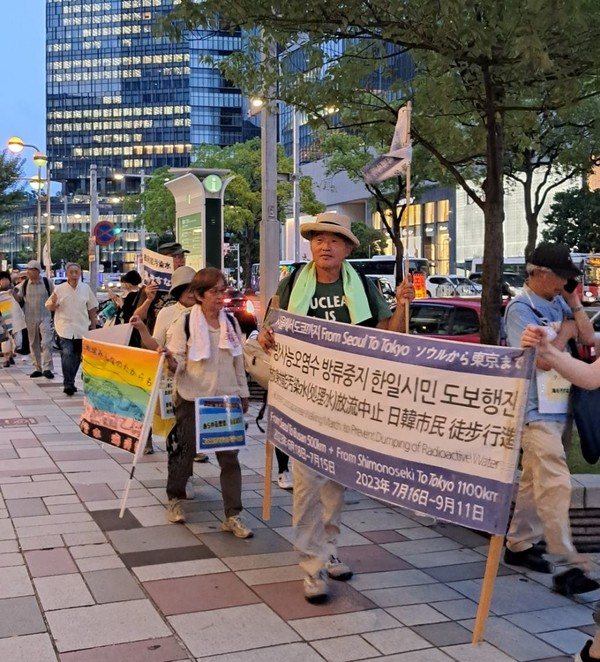
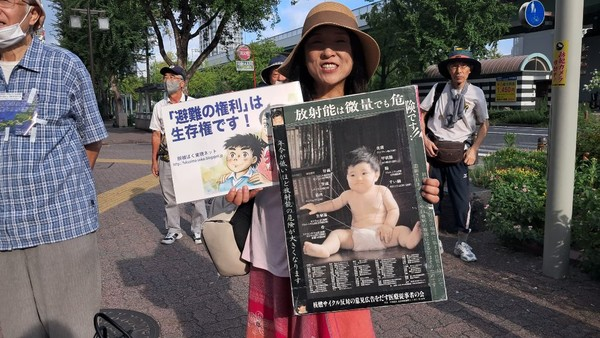
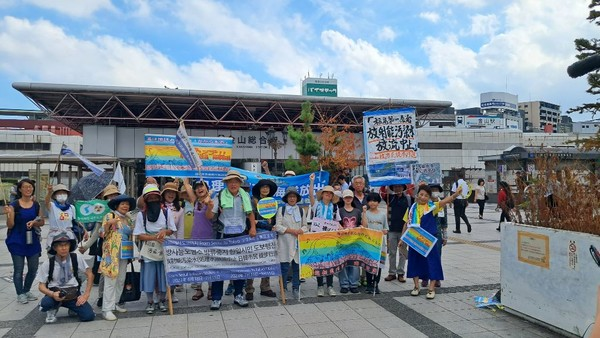


When I was marching in Nagoya, a reporter interviewed me and asked me a question. Why did you choose walking marches as a means of civic movement? I answered:
“What moves people’s hearts is not persuasion through knowledge or information, but through proactive action. Residents who see us sweating have the opportunity to think for themselves.
There are two success stories in Korea. The march played a role in lifting the proposed nuclear power plant site in Samcheok, which was designated 10 years ago. The public opinion of the residents watching grew and strengthened as a small number of citizens continued to march regardless of whether it was snowing or raining. Thus, the designation was successfully lifted several years ago.
Another success story was the march for the decommissioning of an old nuclear power plant in Busan around 2016. “The march, which started with a small number of citizens, continued steadily for more than half a year, and as the number of participants increased to hundreds, the ruling and opposition politicians surrendered.”
A comrade in Nagoya took a video of my march and remarks and distributed it. It turned out to be a wonderful piece of work. Thank you.
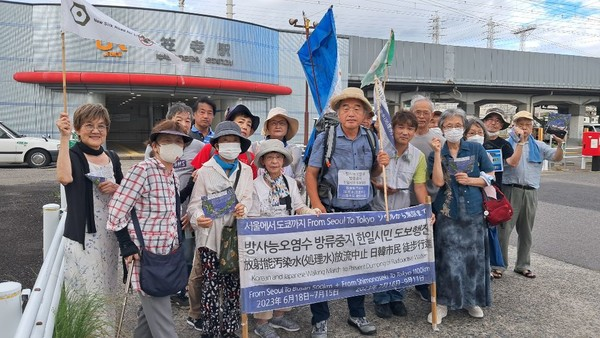
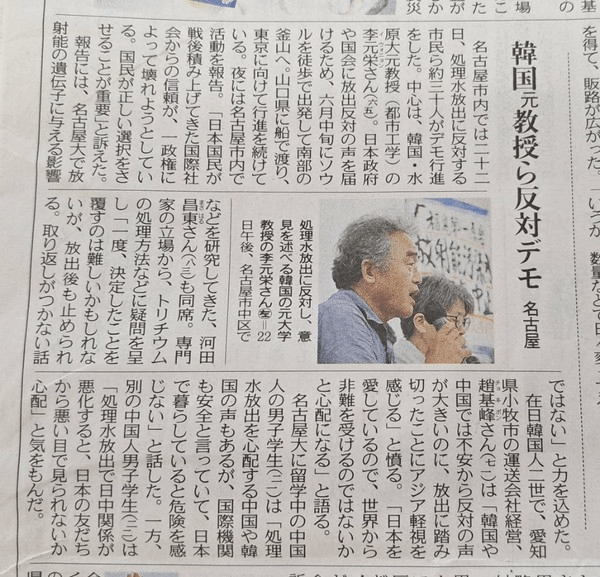
Chunichi News Paper reported the event in Gifu City two days ago, and also covered the press conference held at the Aichi Prefectural Office that day quite heavily. This newspaper belongs to the same company as the Tokyo News Paper, so its content is the same except for the local edition. This is a very large news paper company.
At the press conference, I was asked what I thought about the report that the Japanese government would release water on the 24th. I said two things.
“1) Since Japan is a democratic country, there is a way to block executive branch decisions that violate the Constitution or international law through judicial and parliamentary functions. Such a system must be put into operation.
2) Japan has a cabinet system, so the National Assembly is ultimately responsible. Each member of the National Assembly must take responsibility. “Citizens should publicly ask their opinions on the contaminated water issue and make the answers public to hold them accountable.”

The lecture room at 6pm was full. The author’s march report and Mr. Kawata’s “Contaminated Water and Tritium Harmfulness” are the two topics of this lecture. Molecular biologist Mr. Kawata gave a lecture on
‘Through what process does tritium damage DNA, and technological measures that can significantly reduce the half-life when stored on land?’
I said what I have been emphasizing as follows,
“1) Citing the example of European democracies, the people must take responsibility and decide on these issues themselves. The government should only play a role in helping them. 2) If Japan goes down the “wrong path, it will soon become a bad example to the world. If a developed country like Japan shows such bad behavior, there is no hope for the Earth. It must be stopped.”
The main question is how should citizens respond if the government starts releasing water the day after tomorrow, the 24th. The content is similar to the press conference. I just added a few things.
“1) Even if the discharge has started, it must be stopped as soon as possible. The Japanese government is the problem right now, but if it cannot be stopped, the people will also become the problem. The Japanese people are now at a crossroads. They are on the test.
2) The United States recently took steps to prevent the Massachusetts state government from discharging radioactive contaminated water. President Biden and public opinion in the United States are different. We must block the release of water even after it is released by moving the U.S. Congress with the united power of domestic and international public opinion.
3) Hold each member of the National Assembly accountable, citing the example of Miyagi Prefecture, which opposed discharge of water. This was also said at the press conference.
4) Marching is an easy method for citizens to practice, but it is also powerful. It can move the hearts of viewers more than a simple rally. “It is effective to march through as many places as possible.”
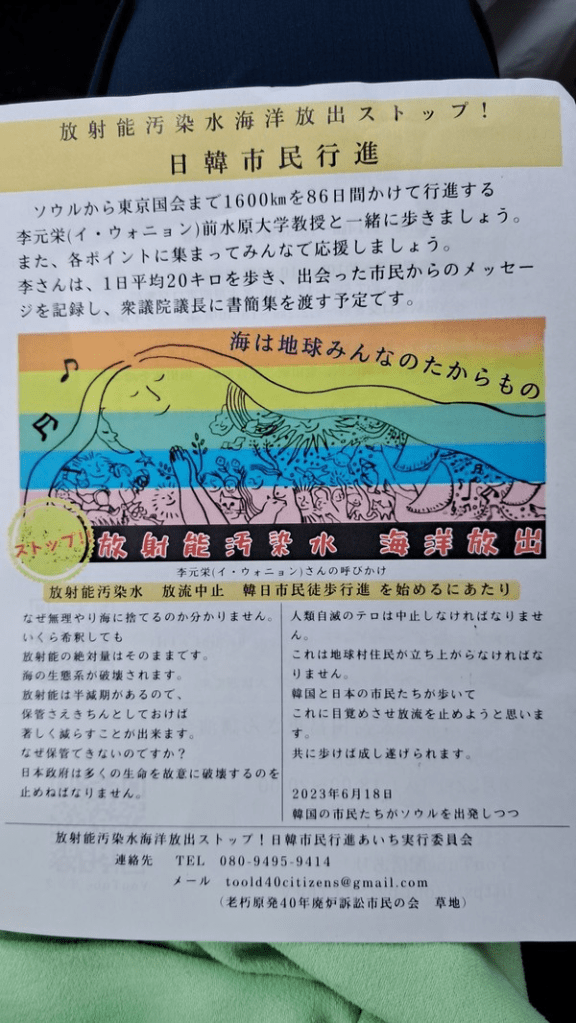
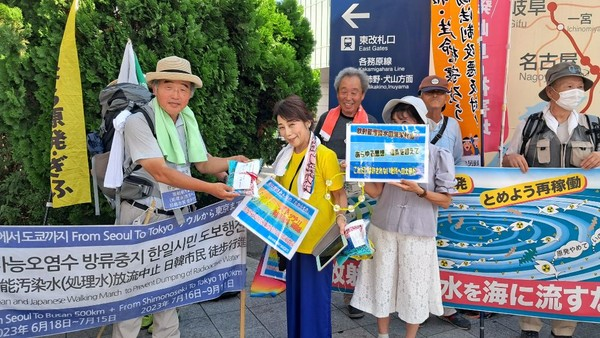
This movement of citizens in Nagoya City and Aichi Prefecture was passionate, organized, and meticulous. In order to prepare for this march, existing organizations joined together to form the ‘Japan-Korea Citizens’ March Aichi Executive Committee’. Perhaps that’s why they effectively appealed to citizens while marching, and local media also actively reported on it.
President Roh Moo-hyun emphasized:
“The last bastion of democracy is the organized power of awake citizens. This is our future.”
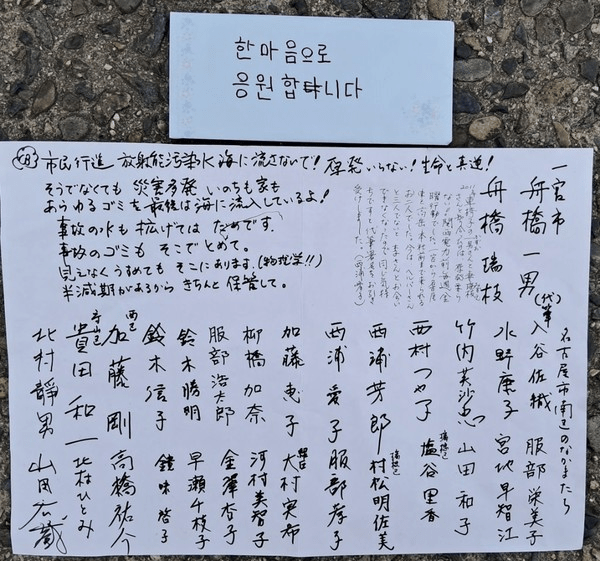
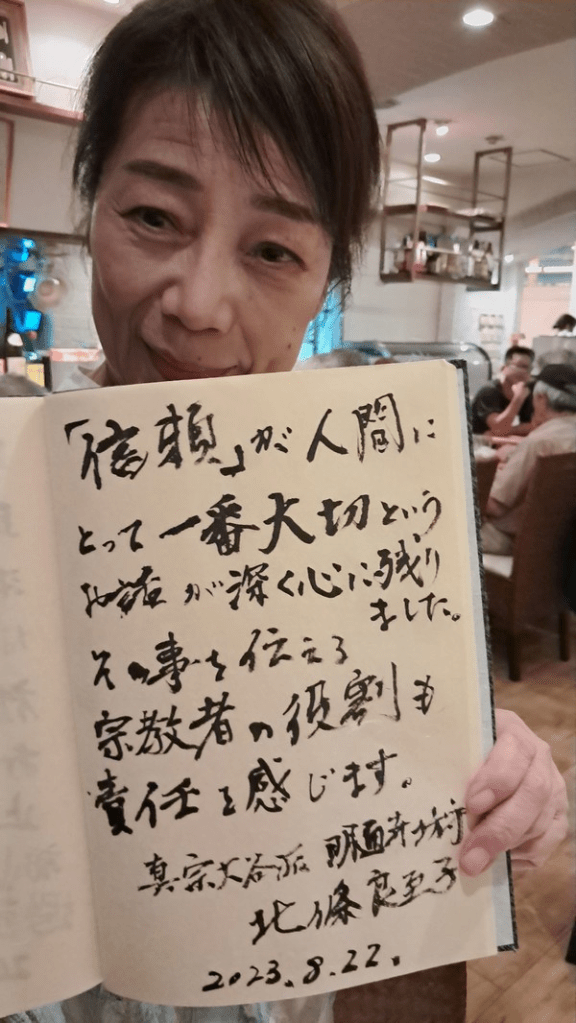
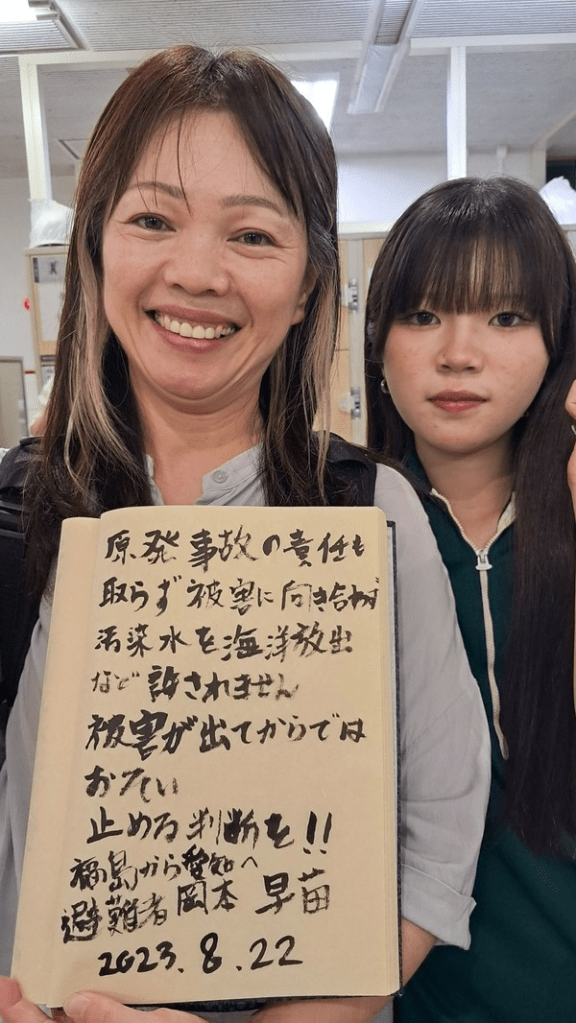
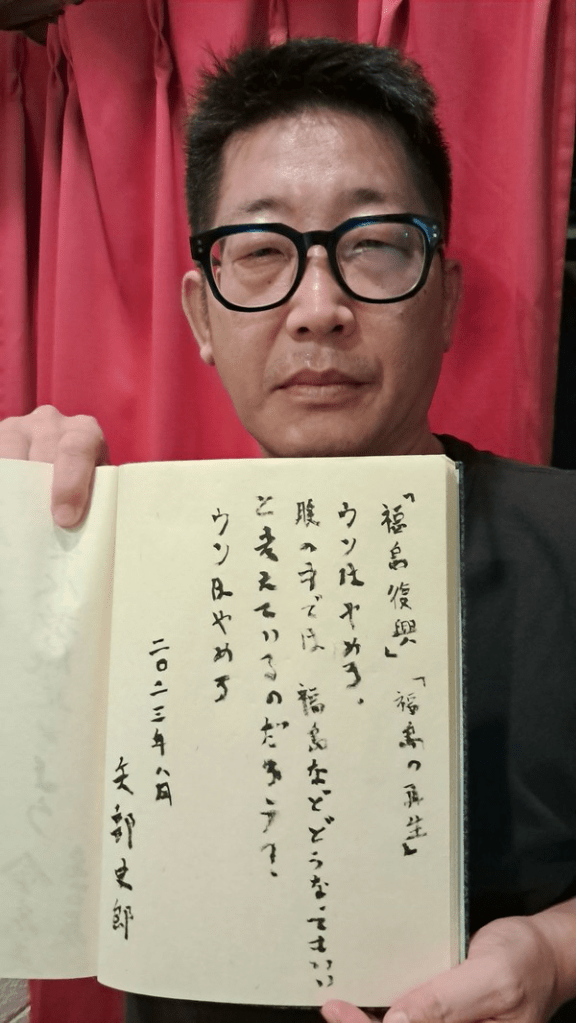
This time, I felt our organizational strength as if we were putting his words into practice. It is said that a lot of support money has been collected so far. When I received it, it was indeed so. Out of gratitude, I asked many of them for their messages.
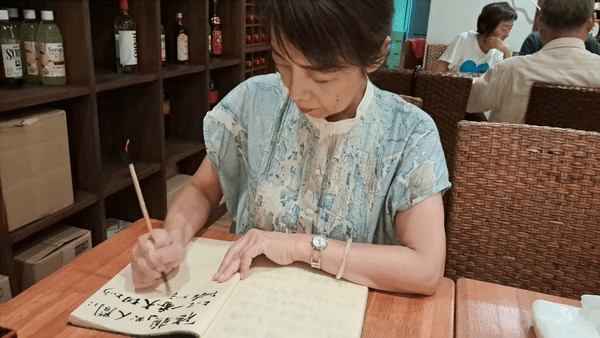
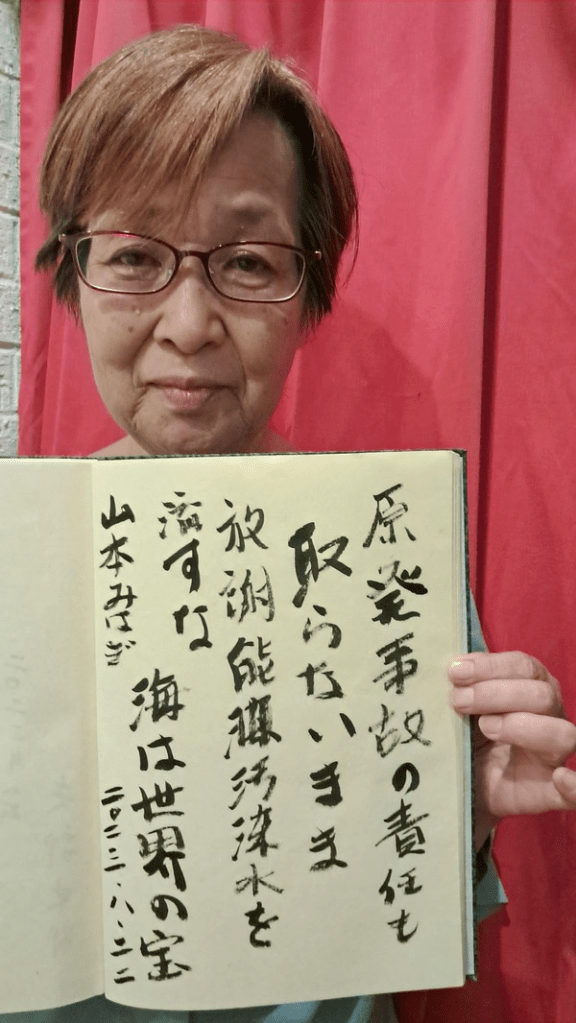
Among them, the representative person is Yoshiko Hojo (北條良至子). This is Hojo-san of Myotsuji Temple, who showed me a lot of kindness from the time I left Gifu City until the Nagoya event. I ask her for her message. She later participated in the Tokyo March on September 11th and helped me with the event at the Japanese Diet.




Edited by Wonyoung Lee, Guest Editor
(The author, Lee Won-young, is a former professor at the University of Suwon, who led the Korea-Japan citizen walking march to stop radioactive contaminated water discharge for about three months from June to September 2023. This article and photos record its stories during the march.)
Author Wonyoung Lee leewysu@gmail.com
Translation by yoonhwa Cha
Categories: Korean-Japanese citizen walking march
 New Silk Road for Life and No-Nukes
Leave a comment