America’s Double Standards and Lawmakers’ Responsibility
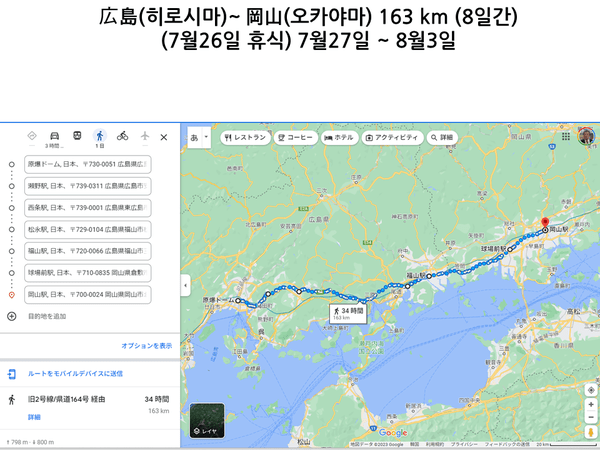
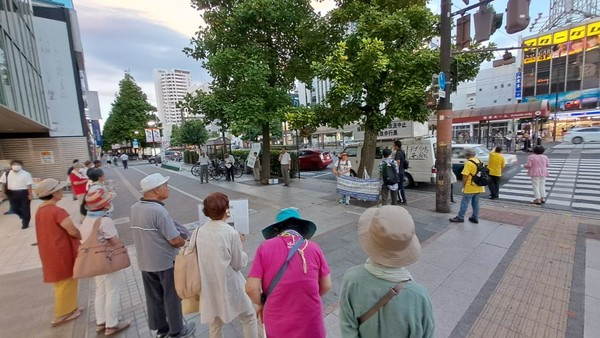
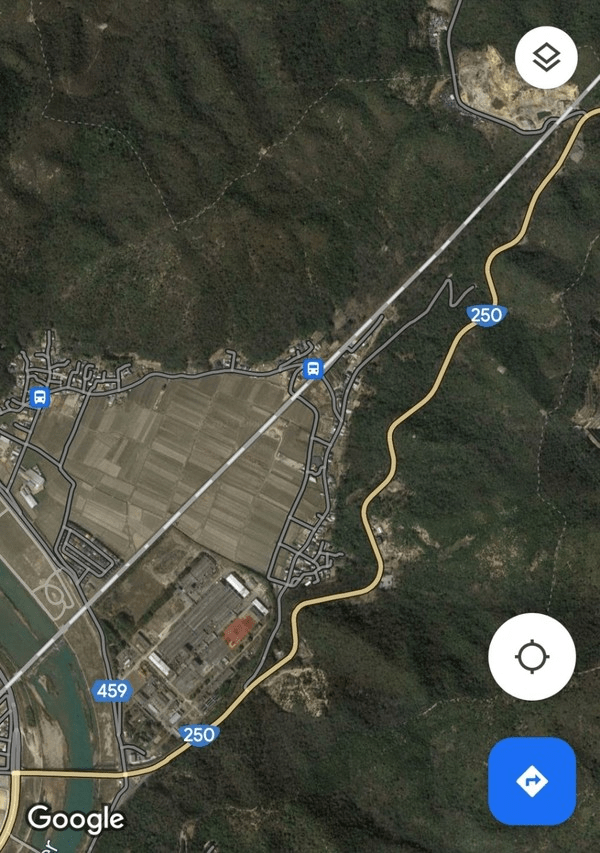
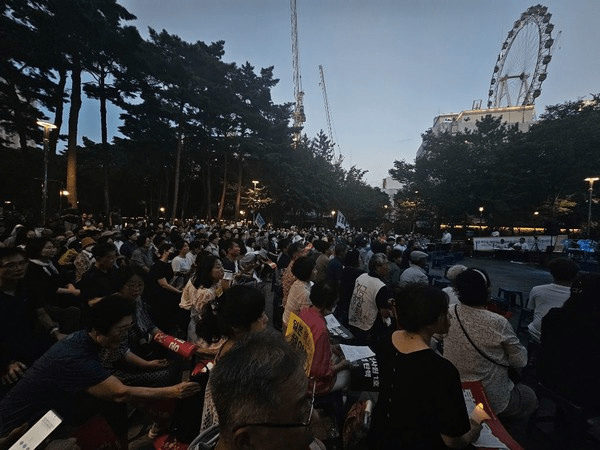
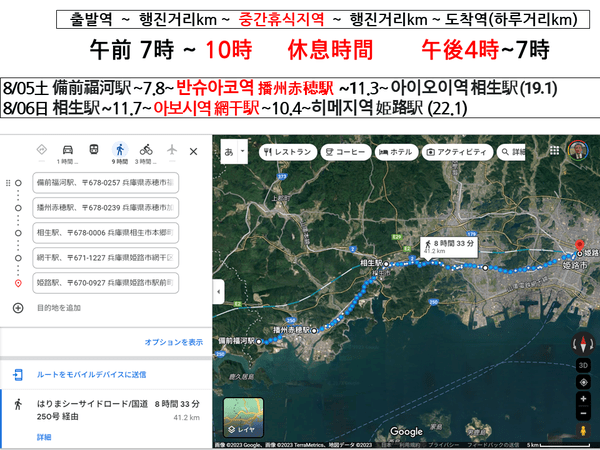
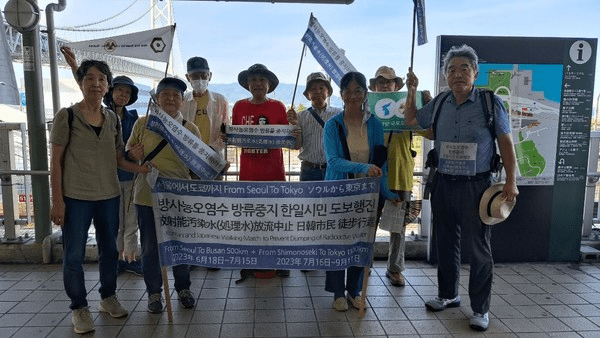
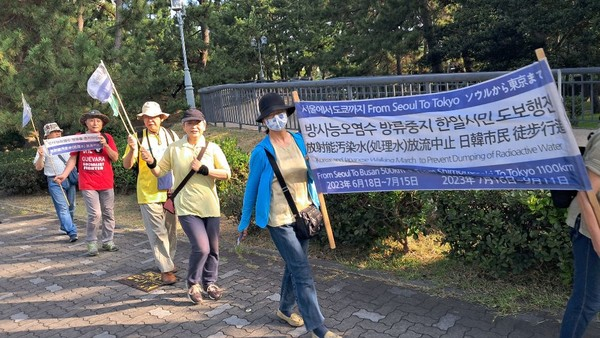
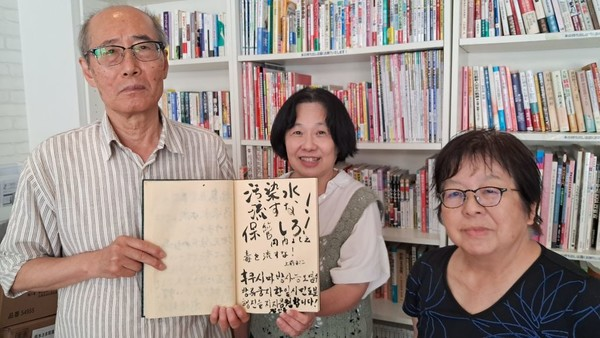
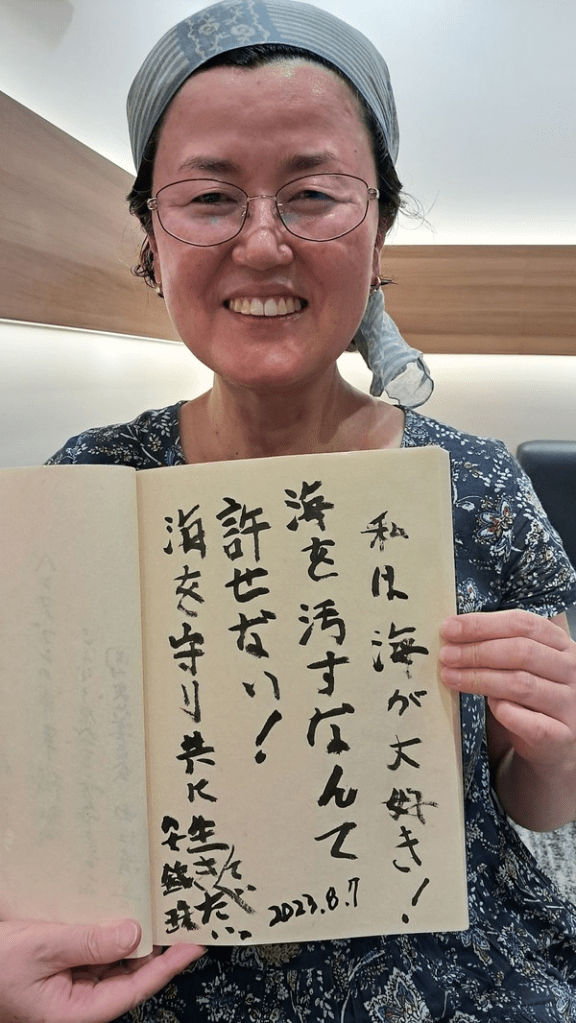
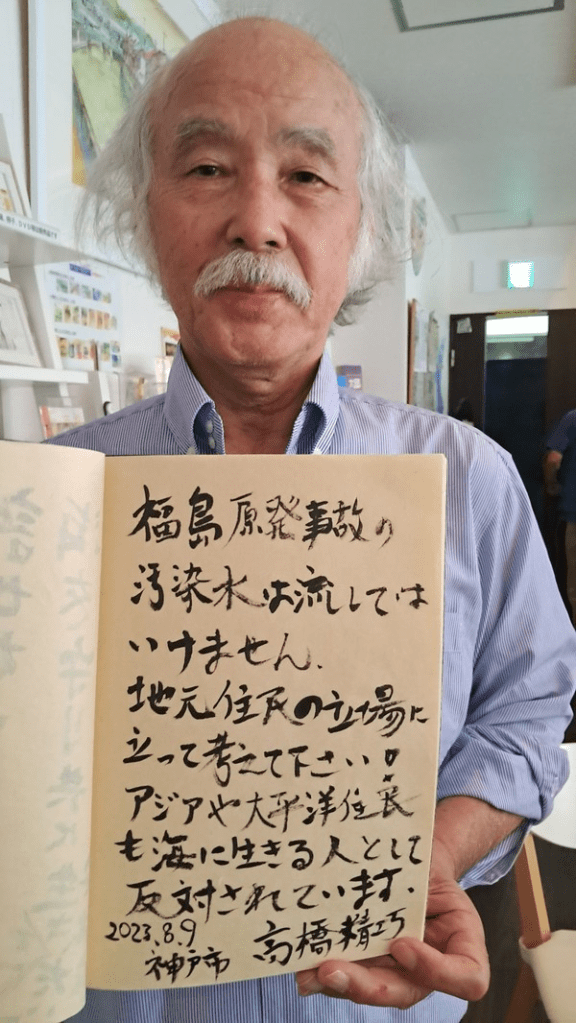
After passing Hiroshima, we finally arrived in Okayama City. Many citizens welcome us.
I also spoke. The point is,
“Like Europe, major decisions must be made directly by the people. Taiwan also decided to decommission nuclear power plants through a referendum. Korea and Japan currently have a broken decision-making structure that is not typical of democratic countries. The size of the impact of contaminated water in time and space Considering this, it is not a matter for a single politician to decide. The people must intervene.
Failure to prevent the discharge of contaminated water is a dereliction of duty for the entire older generation around the world. Miyagi Prefecture’s recent opposition is significant. Now, the citizens of Okayama Prefecture must make demands to the governor. “If such prefectures increase one by one, the Kishida government will have no choice but to change its judgment.”
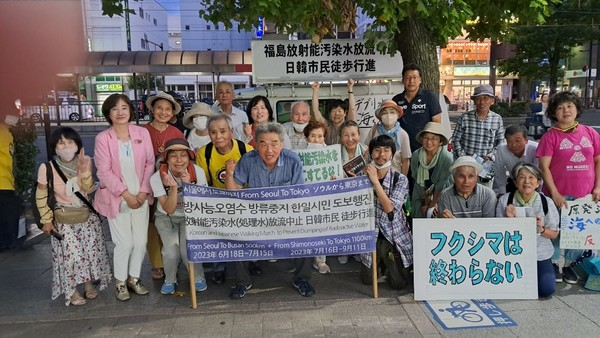
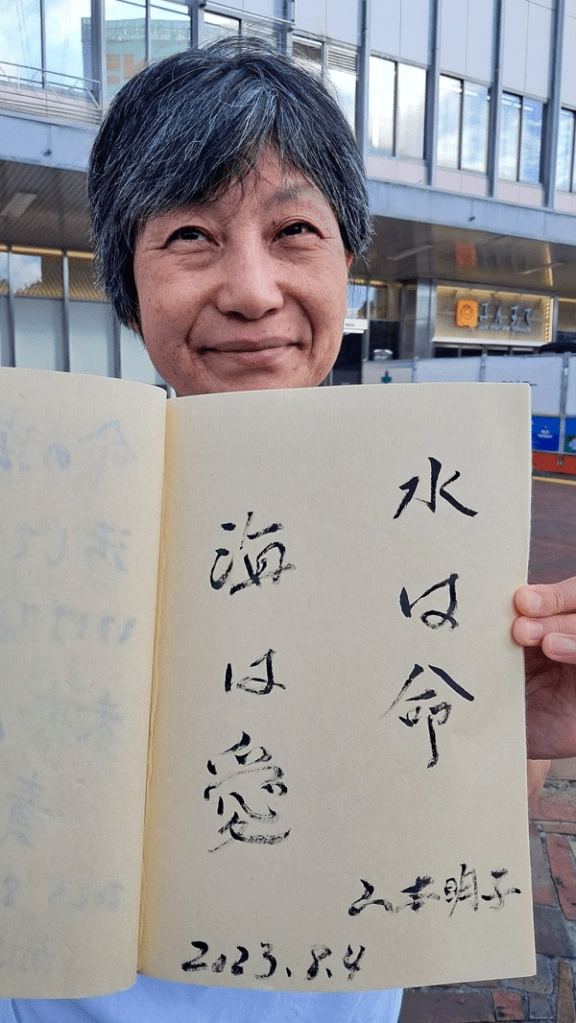

Nishie-san is a central figure in the nuclear phase-out movement who hosted the welcome event in Okayama. I heard the following meaningful information from him: The governor of Miyagi Prefecture, who expressed opposition to the discharge of contaminated water, is not a great person to do so, considering his political inclinations. He had no choice but to represent the will of the people in order to be elected in the next election.
This very part is important. This is an example of how a governor can change his political choices if the residents strongly appeal to him. Citing this example, I spoke everywhere I arrived for about a month. Let’s all become the next Miyagi Prefecture.
At this point, I made a suggestion to Nishi-san. The fact that residents in Miyagi Prefecture are opposing it means that there is a central force among them. Therefore, why not form a marching group with them at the center, and have them take turns walking from the east and meet up with the Korean-Japanese citizen walking march team in Tokyo and march in a large group?
After hearing this, Nishi-san shows curiosity about this proposal. I think I thought it was a novel proposal in its own way. He immediately takes out his notepad and starts calculating the distance from Sendai City (the central city of Miyagi Prefecture) and the number of days it will take. Then I made a few phone calls. It’s amazing momentum. Will it come true?


A Korean who had married internationally happened to be visiting his in-laws in Okayama, and he happened to witness my march. At this time, he must have been so impressed that he wrote a post about his impressions on his march’s website.
[New Silk Road for Life & No-Nukes] Korea-Japan Citizens’ Walking March Log
“Even if I gave in to them a hundred times and agreed to the discharge, if it is only 99% safe and not 100% safe, I am against the discharge. Even for Japan’s own sake, Japan should not irresponsibly dump contaminated water into the sea just by making false verification for the sake of discharge. It is unfortunate that Korea is also fighting with each other by framing this issue politically. Indifference? Or is it just a part of Japanese civic culture that does not take issue with decisions made by the country? This too is just sad. I happened to meet two people walking in Okayama in such rough weather, and for someone like me who only speaks of their complaints, they seem like really great people. I took a few pictures and on the way back, my mind was confused and I was blank for a while with a depressed feeling that there was nothing I could do, so I couldn’t do anything. I see hope when I look at the Japanese people who participate along with these people~(omitted) I hope they finish the race in good health. Also. I hope for meaningful results. I met the most wonderful person in my life. I am ashamed of myself for living like a coward. I wish there were more people participating. The looks on the backs of the two marchers keep making me feel sorry. Let’s participate together. I’m sorry I couldn’t do anything and just took pictures.”


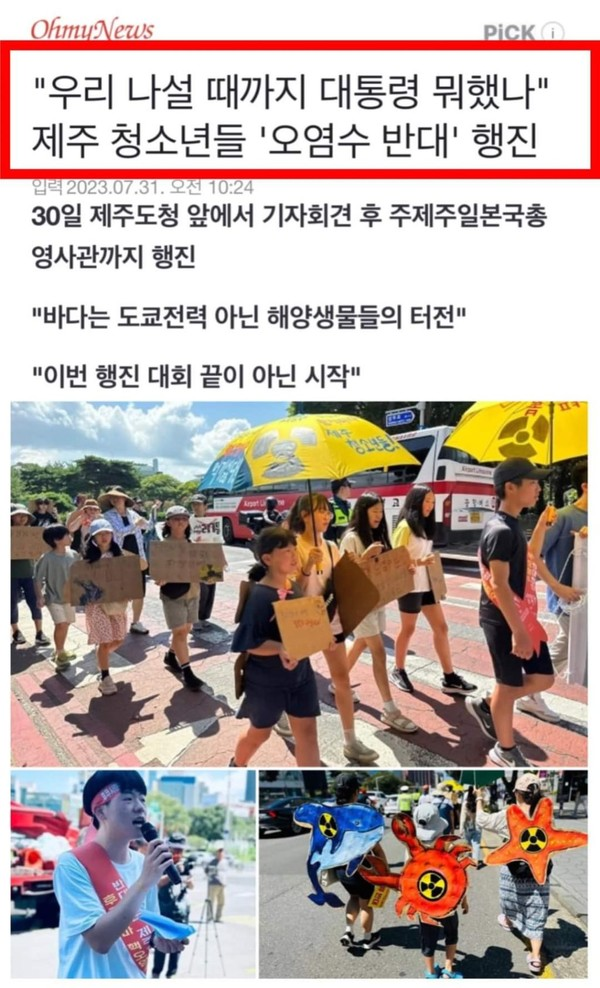



News from America seen during break time. There are also states in the United States that ban the discharge of nuclear polluted water.
To quote just a few:
“The Massachusetts Department of Environmental Protection said Holtec, the decommissioning company for the Pilgrim Nuclear Power Plant in Plymouth, which shut down power generation and closed four years ago, is dumping 1 million gallons (3.8 million liters) of nuclear waste from the plant into nearby Cape Cod Bay. It was reported on July 26 that the plan to discharge (dump) water into Cape Cod Bay is not permitted, saying it violates state law. (omitted) Nuclear contaminated water will be stored in Cape Cod Bay for treatment and final disposal, including vaporization and transportation off-site. “There are other alternatives to releasing them.”
Moreover, shortly after this, on August 25th, the same case was issued in New York State.
To quote only the important passages,
“When Governor Hochul signed a bill banning the discharge of coolant from nuclear power plants, New York’s Democratic and Republican senators and representatives each expressed their welcoming stances. Democratic Senator Hackham, who proposed the bill, gave credit to residents and environmental group activists who fought passionately. He passed it and welcomed it as “one of the greatest environmental victories in history.” Representative Levenberg of the same party also said, “This is good news for many people in our district and beyond.” Democratic Representative Pat Ryan also said, “For a long time, large corporations have dominated the area.” “Toxic waste has been dumped into the Hudson River without regard for the safety of society, and Holtec’s plan to dump radioactive waste is no different,” he said, welcoming the New York governor’s signature. Republican Representative Mike Rohrer said, “I am very pleased,” and Republican Mark Molina “This is a common-sense measure to preserve our natural treasures,” the congressman said.
So, you can abandon Japan, but you can’t abandon the United States? In the end, Biden is strange. It is strange that the United States tolerates Japan’s release of nuclear contaminated water even though it itself acknowledges that there are other alternatives. It would have been unprecedented for the head of the federal government to make such an absurd judgment. During the ideological conflict during the Soviet-Soviet Cold War, there was an effort by each side to maintain moral superiority, but it was ruined as time passed. Where did it start to break down?
Another lesson can be learned from the case of New York State in the United States. Not only the governor but also local lawmakers are fervently opposing it. Japanese and Korean lawmakers are thoroughly compared to this. The people, who are sovereign, must put pressure on lawmakers. In particular, since Japan has a parliamentary system, the responsibility of lawmakers is enormous. We must ask them to risk their political lives.

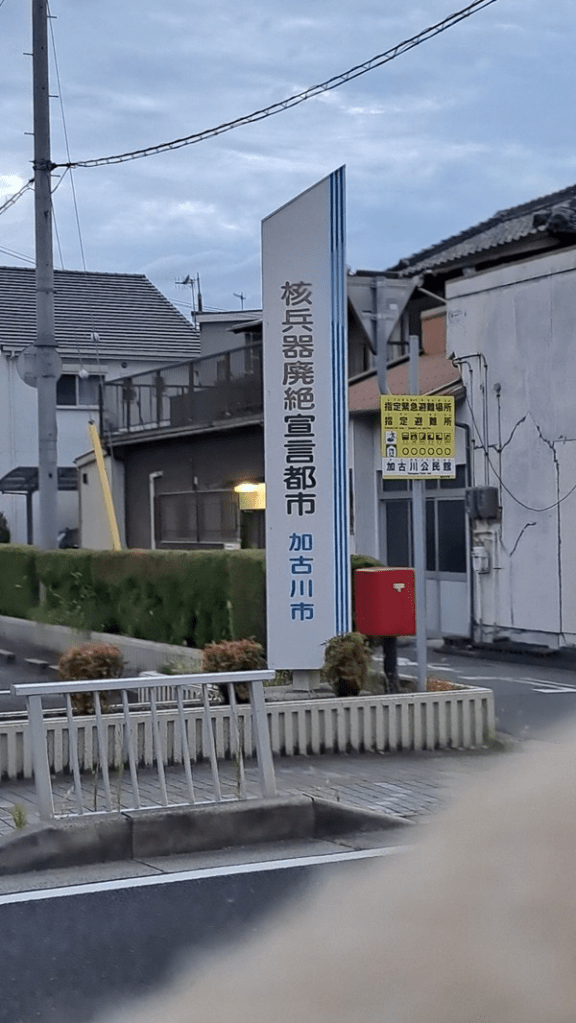

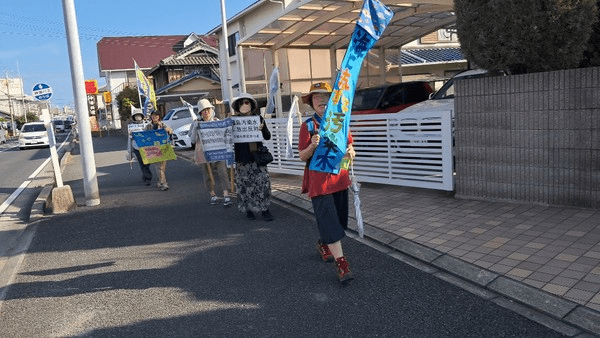


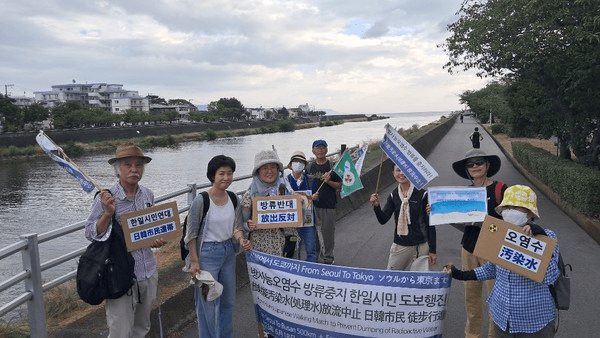



Original article >> https://www.hanion.co.kr/news/articleView.html?idxno=30280
Wonyoung Lee leewysu@gmail.com
Translation Yoonhwa Cha
Categories: Korean-Japanese citizen walking march
 New Silk Road for Life and No-Nukes
Leave a comment