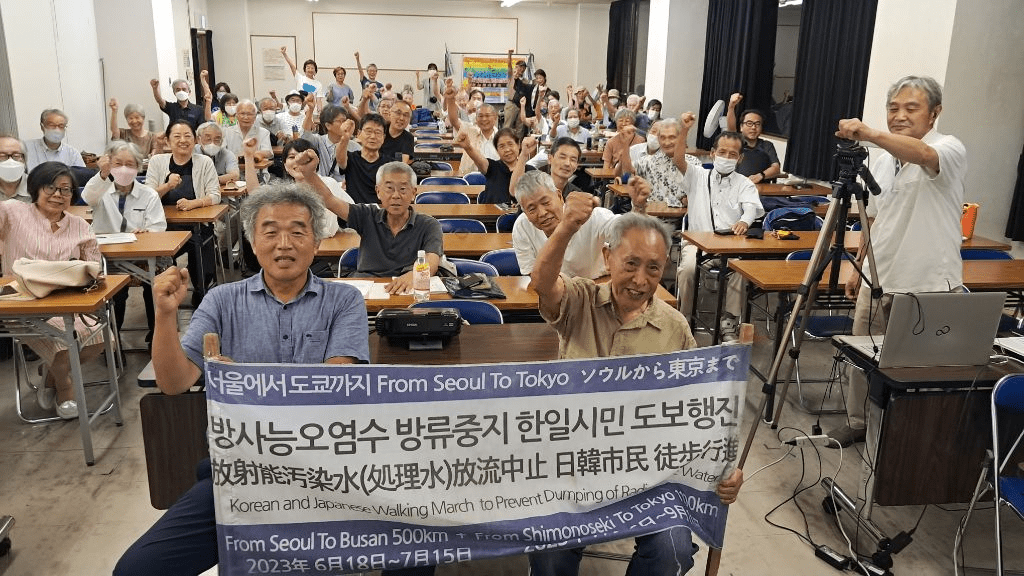
0. Today’s photo is a commemorative photo after the lecture in Nagoya in the evening.
0-1. Here is another video of the march and remarks from the previous day.
1. Many citizens gathered in the morning following the joyful march of the previous evening.
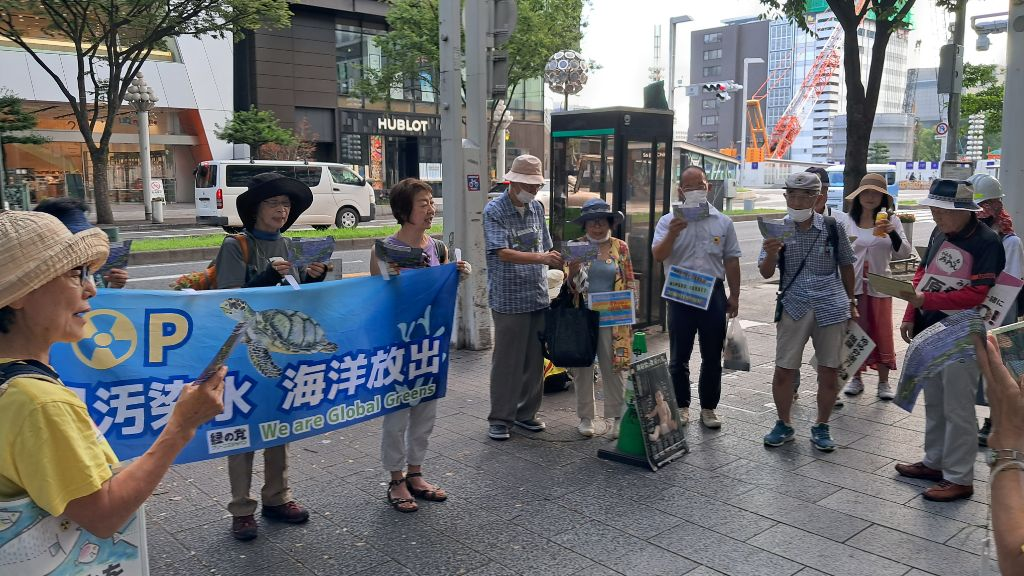
2. Members of the Japanese Green Party will also participate.
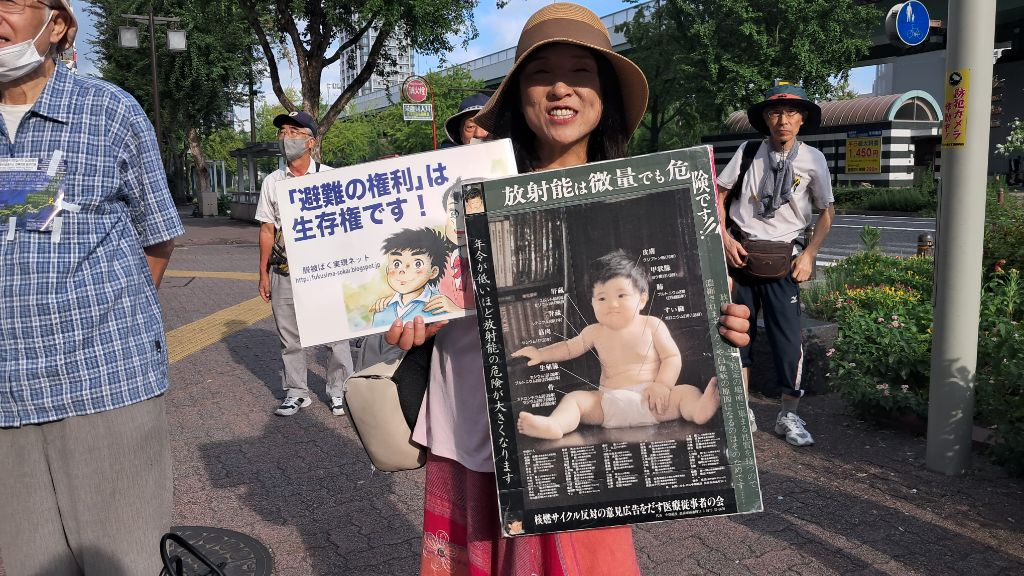
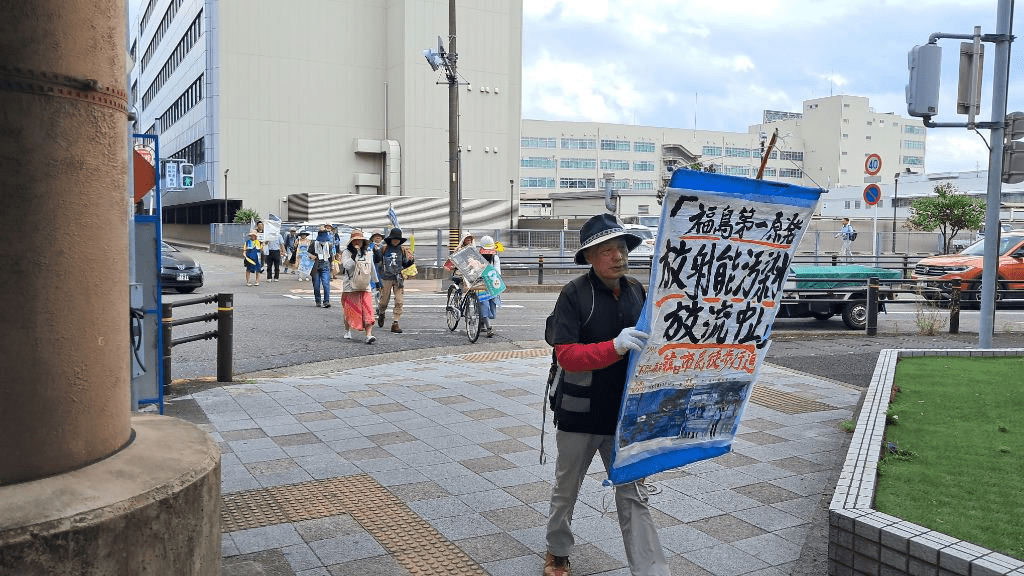
3. Yayoi Yoshida with a marching microphone comically mocks the release of contaminated water with a photo of a child.
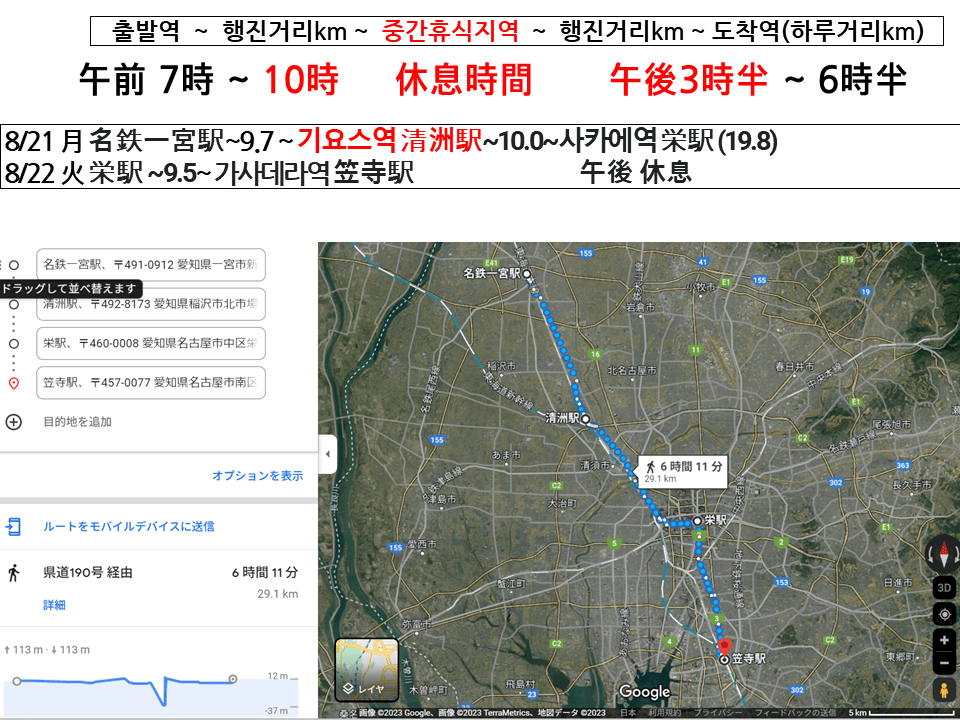
4. Today, after marching south from Sakae (station) in the morning, I will hold a press conference at the Aichi prefectural office in the afternoon, and then a lecture in the evening.
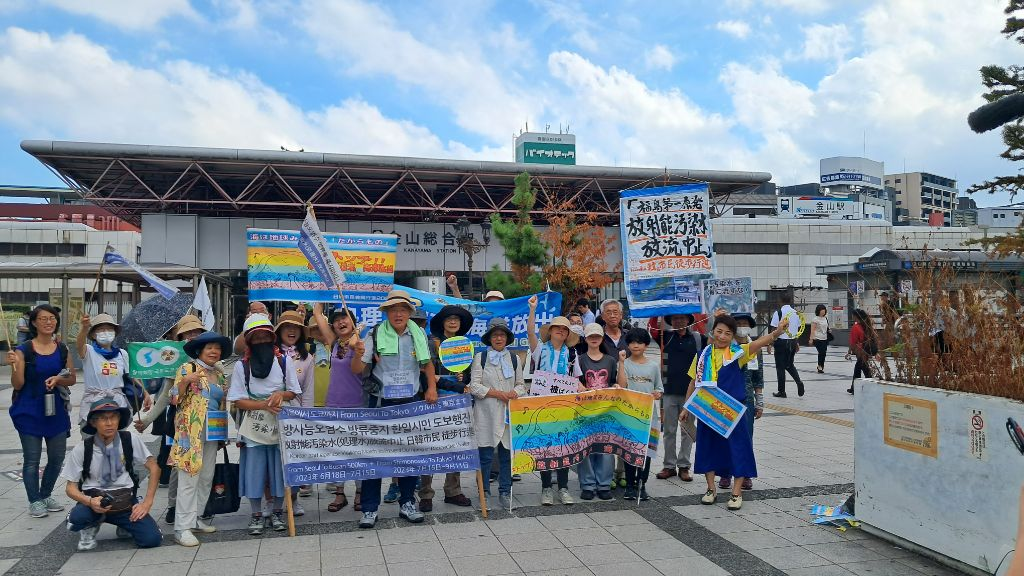
5. After about an hour’s walk to Kanayama Station, another group of citizens is waiting for us.
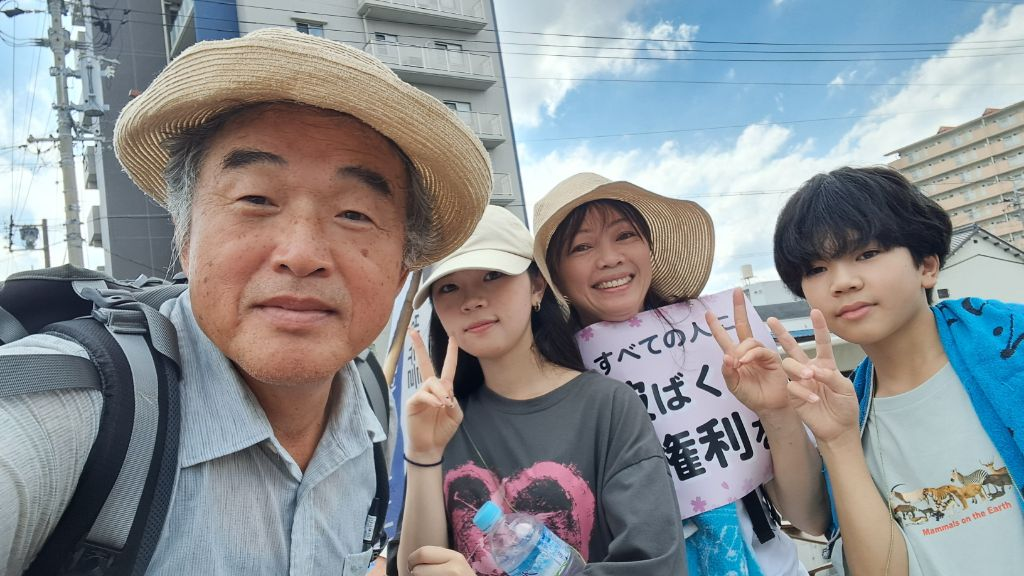
6. Among them is a family who had evacuated from Fukushima. Commemorative selfie together.
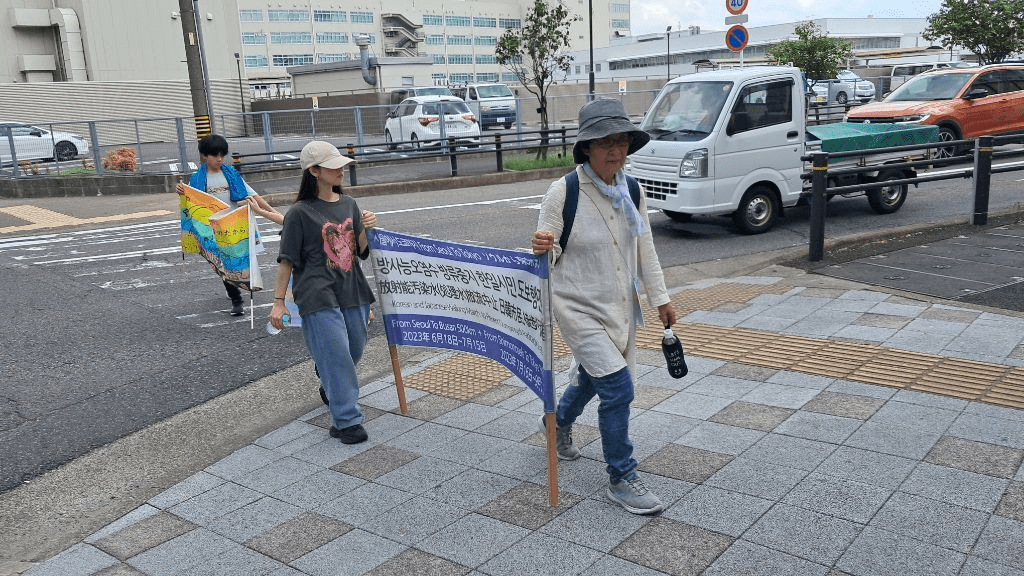
7.
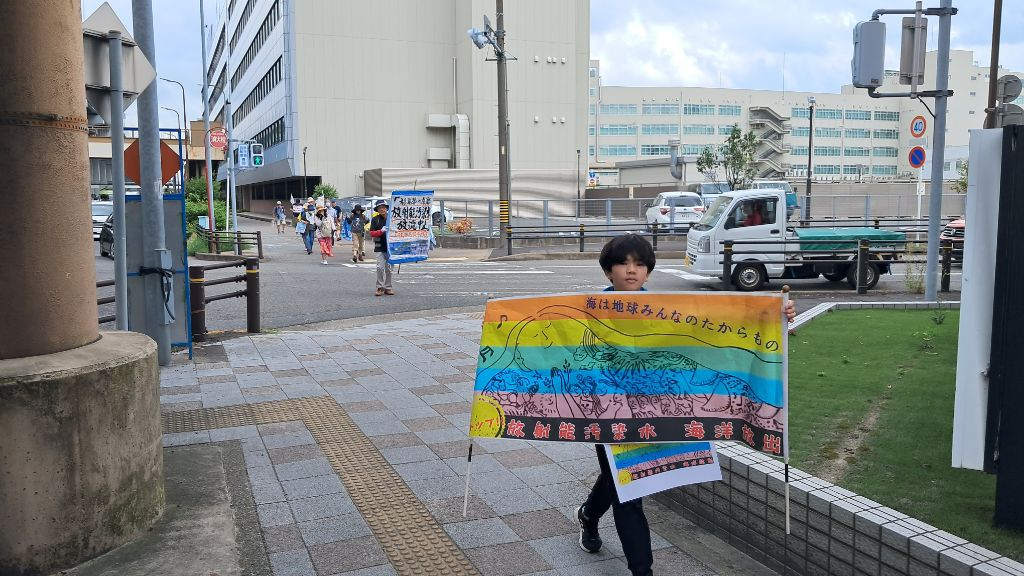
8.
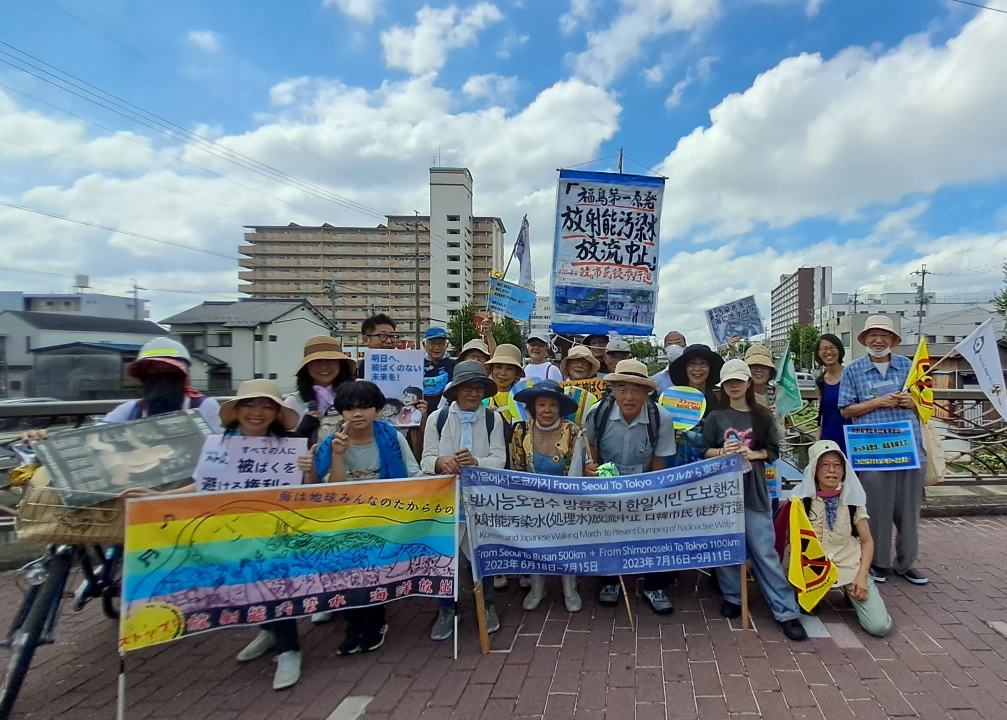
8. Commemorative photo on a bridge during the march.
9.
10.
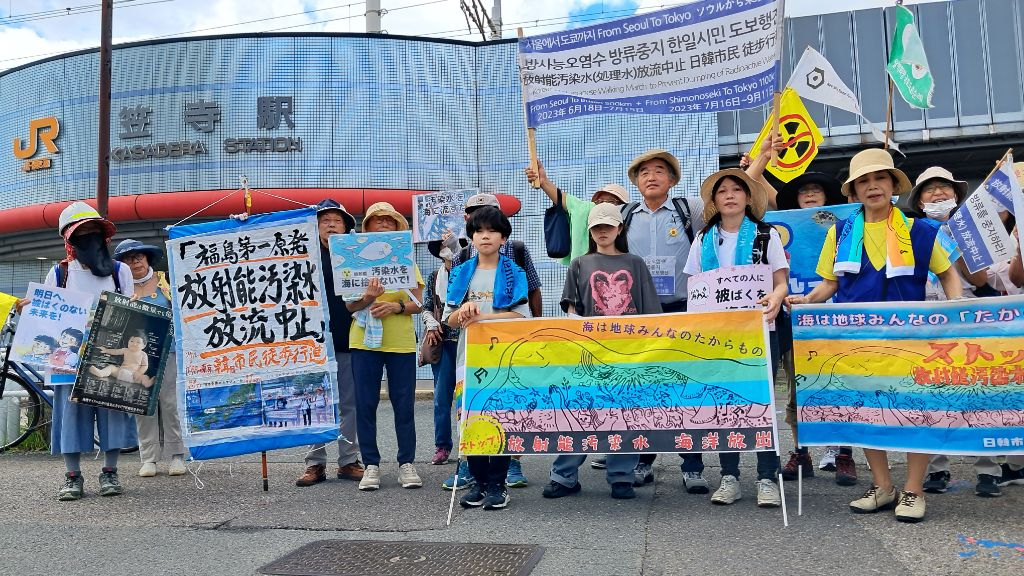
11. Arrive at Kasadera Station.
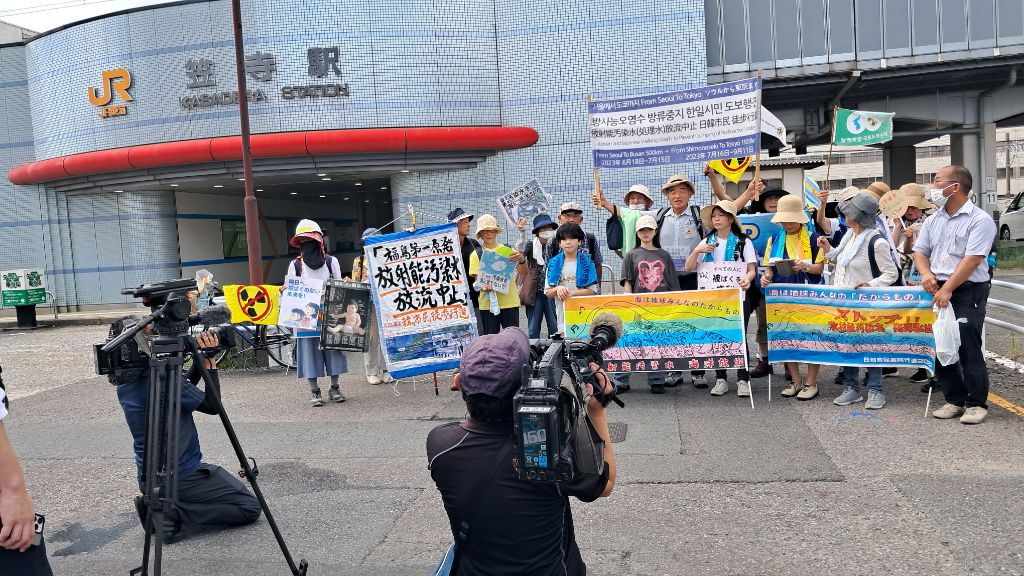
12. Local broadcasters work hard to cover the marching story.
At 4:00 pm, a press conference was held at the Aichi Prefectural Office. I was so focused on the conference that I couldn’t take pictures. As reported by the Chunichi Newspaper below, my remarks were as follows: Such an important matter should be decided directly by the Japanese people, just like in European democracies.”
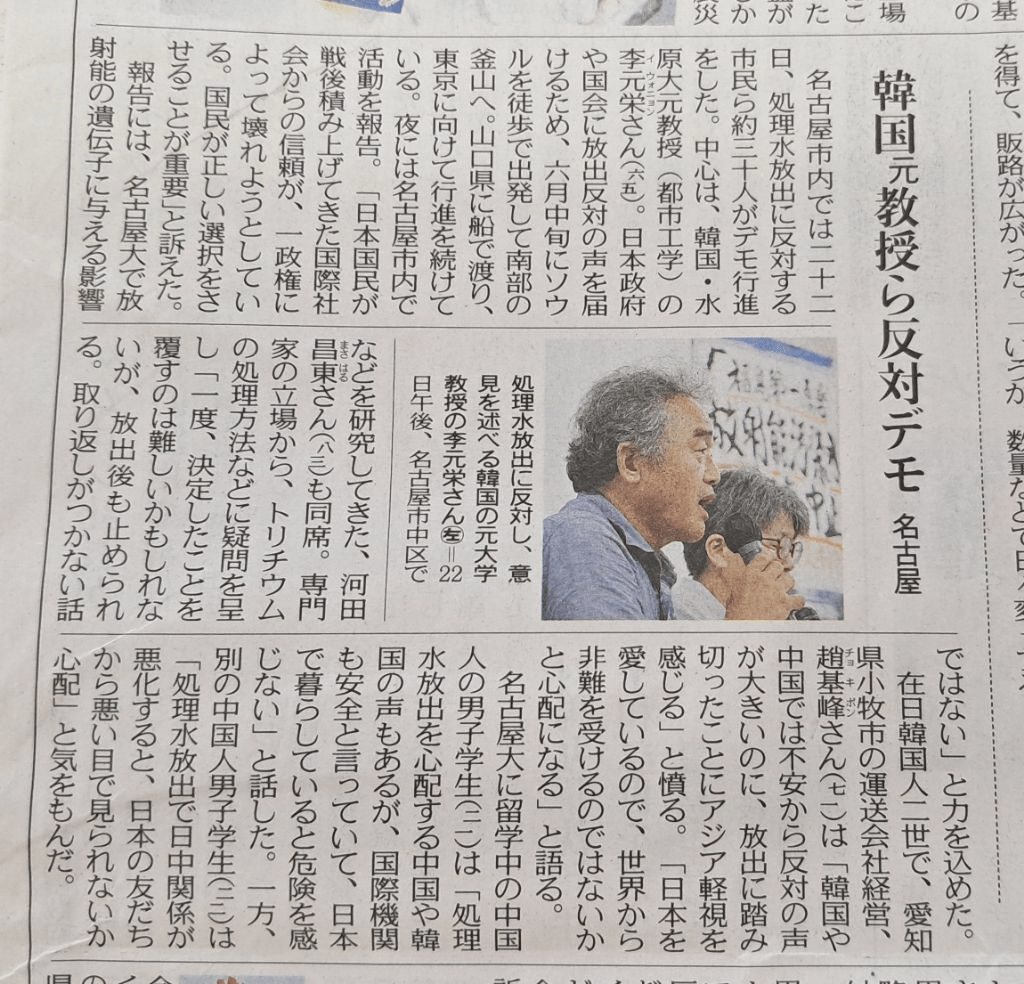
13. The Chunichi News Paper reported the event in Gifu City the day before yesterday, and today’s press conference was also reported quite heavily. This newspaper is owned by the same company as the Tokyo Newspaper and has the same content, except for the regional editions. It’s a big newspaper company.
Other reporters asked me for my opinion on reports that the Japanese government would release it on the 24th. I told them two stories. “
1) Since Japan is a democratic nation, there is a way to block administrative decisions that violate the constitution or violate international law through judicial and parliamentary functions. Such a system must be put into operation. 2) Since Japan has a cabinet system, the Diet is ultimately responsible. Each Member of Parliament must take responsibility. Citizens must publicly ask their intentions about the contaminated water problem, make their answers public, and hold them accountable. ”
From 6 o’clock there was a lecture at a place in the city.
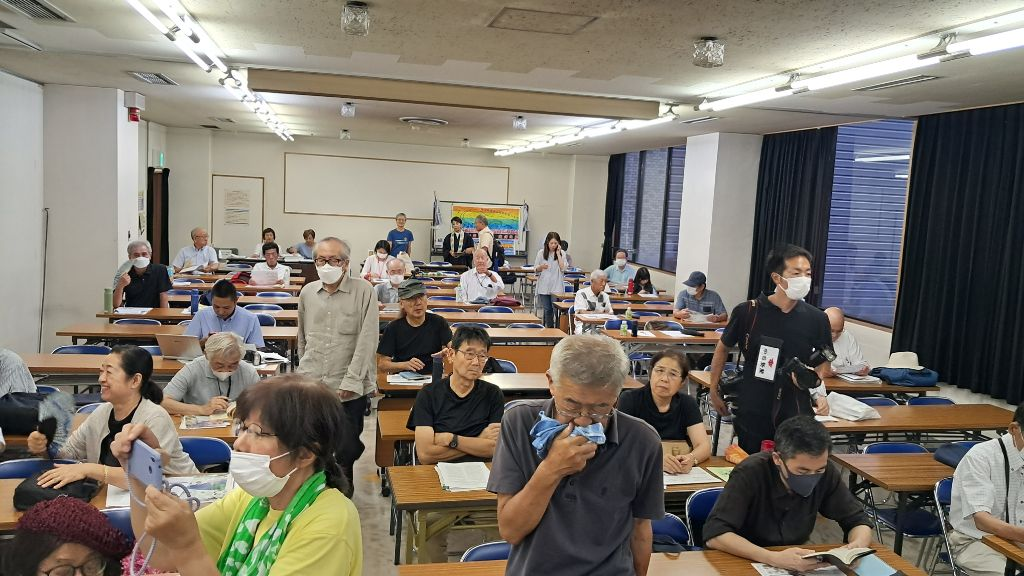
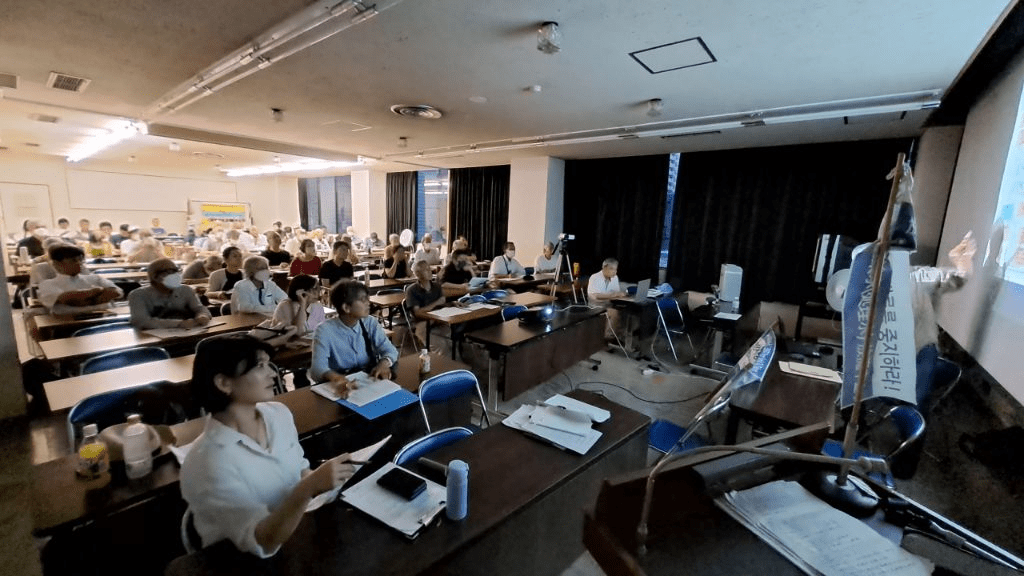
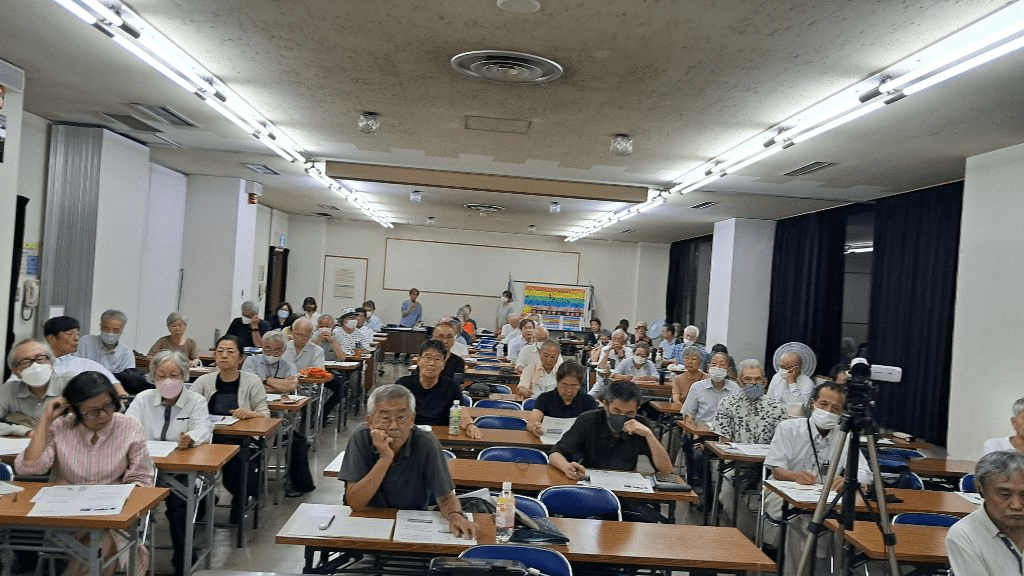
14. The lecture room was full at 6 o’clock in the evening. My march debriefing session and Professor Kawata’s “harmfulness of polluted water and tritium”. I have been emphasizing the following: 1) Taking the example of European democracies, the people themselves must take responsibility and make decisions on this issue. If we go down the road, we will set a bad example for the global village.If a developed country like Japan does such a bad thing, there is no hope for the earth.We must stop it.” And so on. The main question is how the citizens should respond if the discharge starts as soon as the day after tomorrow, the 24th. I’ve talked about a few things. 1) Even if the discharge has started, it must be stopped as soon as possible. The Japanese government is now a problem, but if it cannot be stopped, the people are also a problem. The Japanese people are now at a crossroads. up on the test bench. 2) In the United States, recently the Massachusetts state government has taken measures not to allow the release of radioactively contaminated water. President Biden and local government are different. International public opinion must stop it even after it is released through the US Congress. 3) Ask each member of the Diet to take responsibility, citing the example of Miyagi Prefecture. This is what I said at the press conference. 4) As a method for citizens to practice, marching is an easy method and powerful. It can move people’s hearts more than just a gathering. Marching from here and there would be more effective.
15.
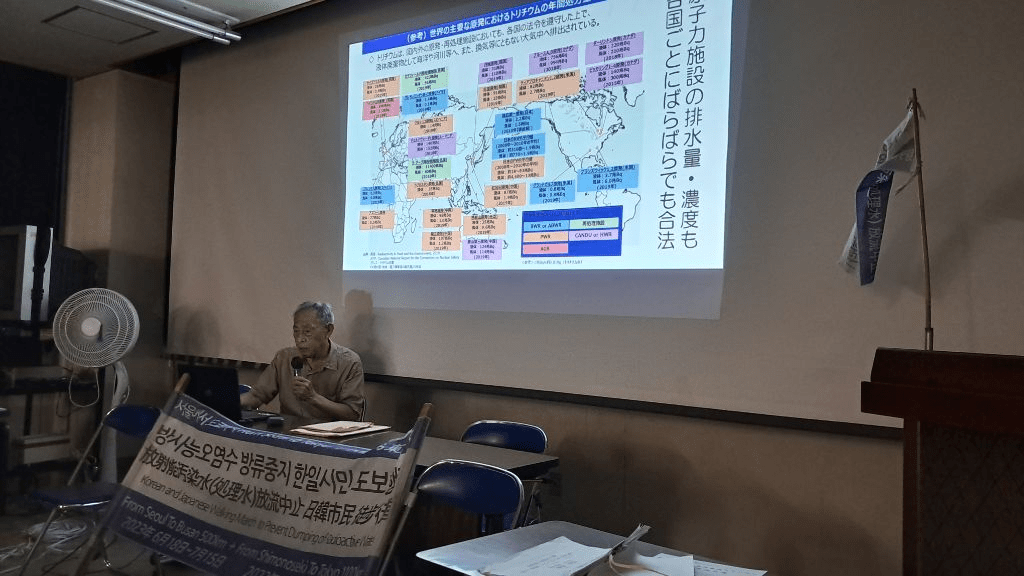
16. Molecular biologist Mr. Kawata talked about the process by which tritium damages DNA and technical methods that can significantly reduce its half-life when stored on land.
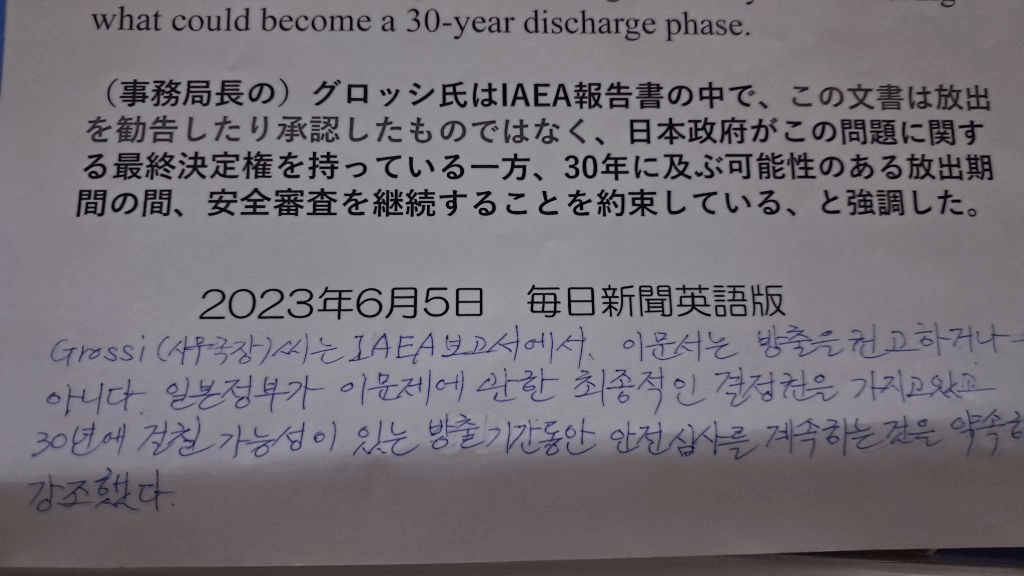
17. There was also such a content. The IAEA said we never recommended the release.
18. Among his data, the latest one is the news about the suspension of the discharge of contaminated water from nuclear power plants in New York State, which was reported yesterday. (August 21st)
19.
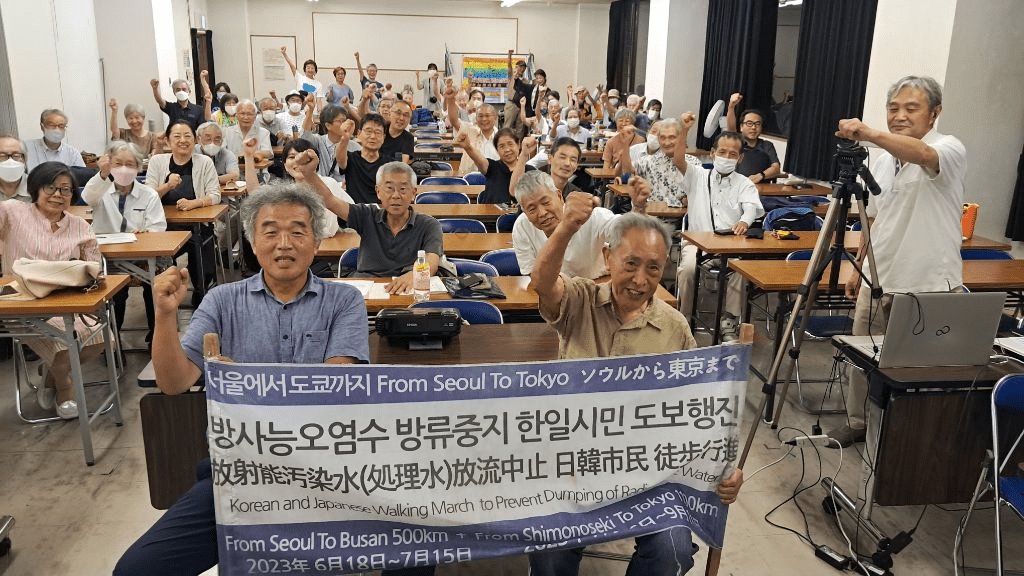
20. Commemorative photo after the lecture
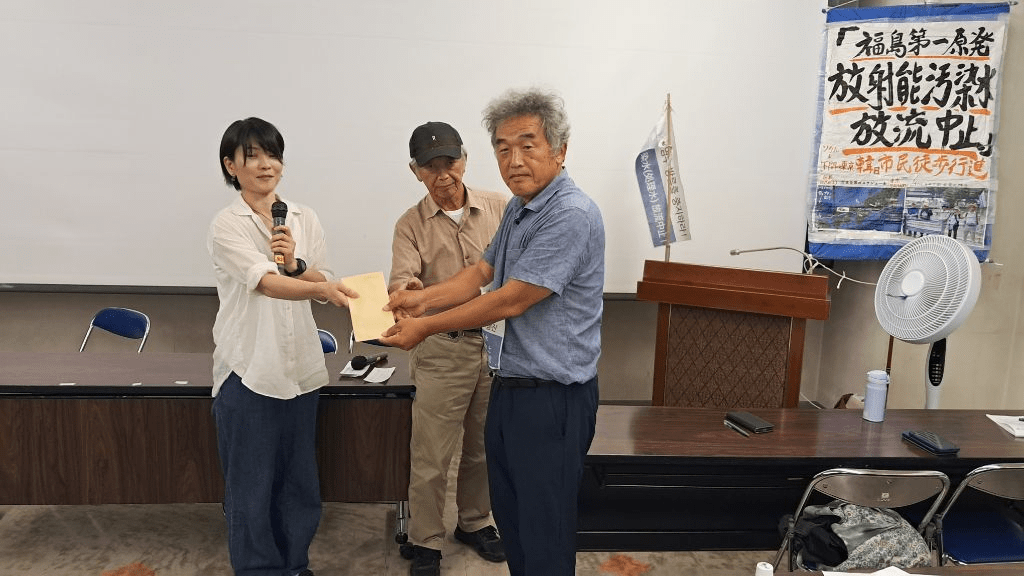
21. A lot of money was said to have been donated during that time. When I received it, it is indeed.
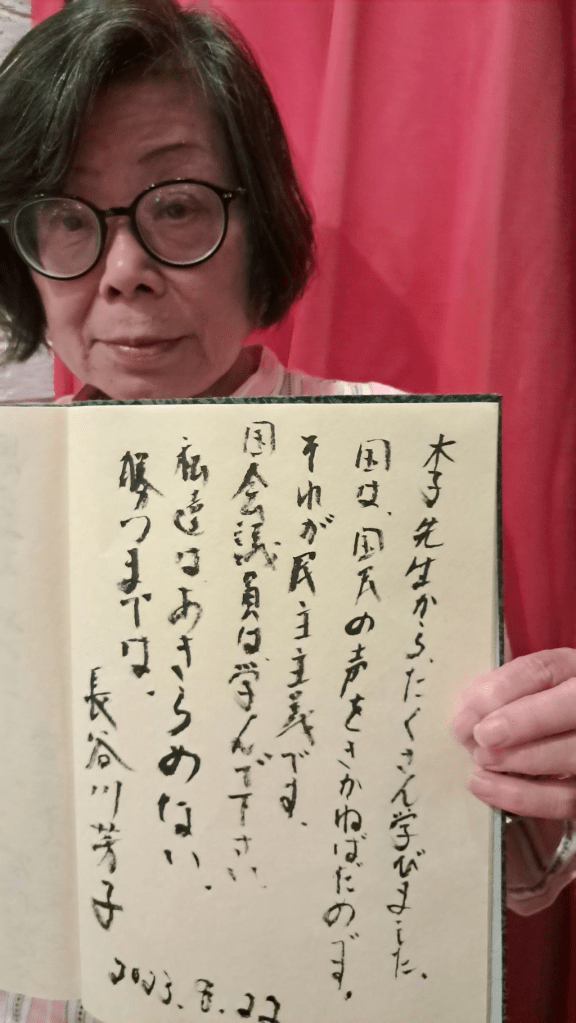
After this, I asked many people for their messages during the evening after party.
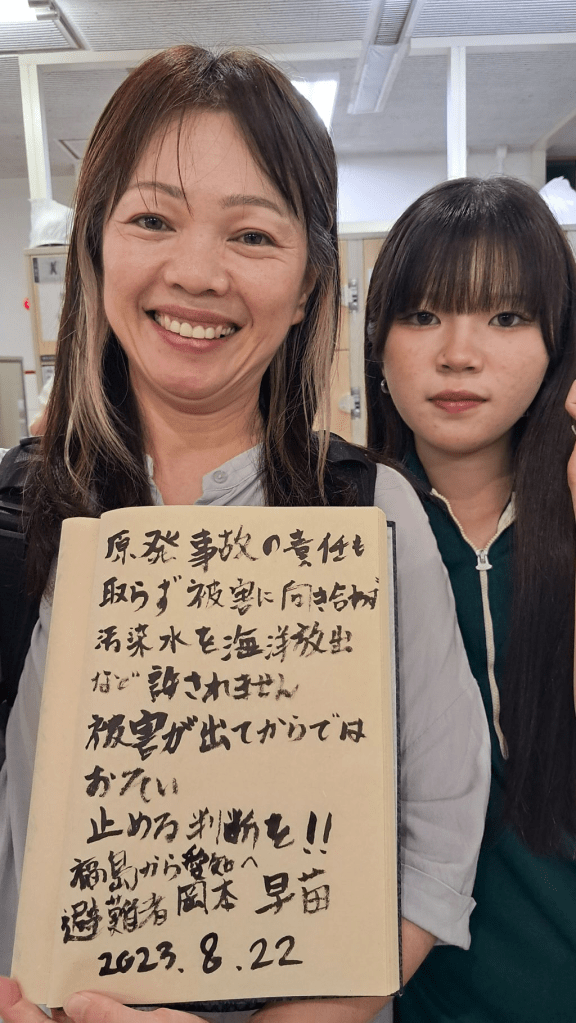
22. I received a message from Ms. Okamoto, who used to live in Fukushima.
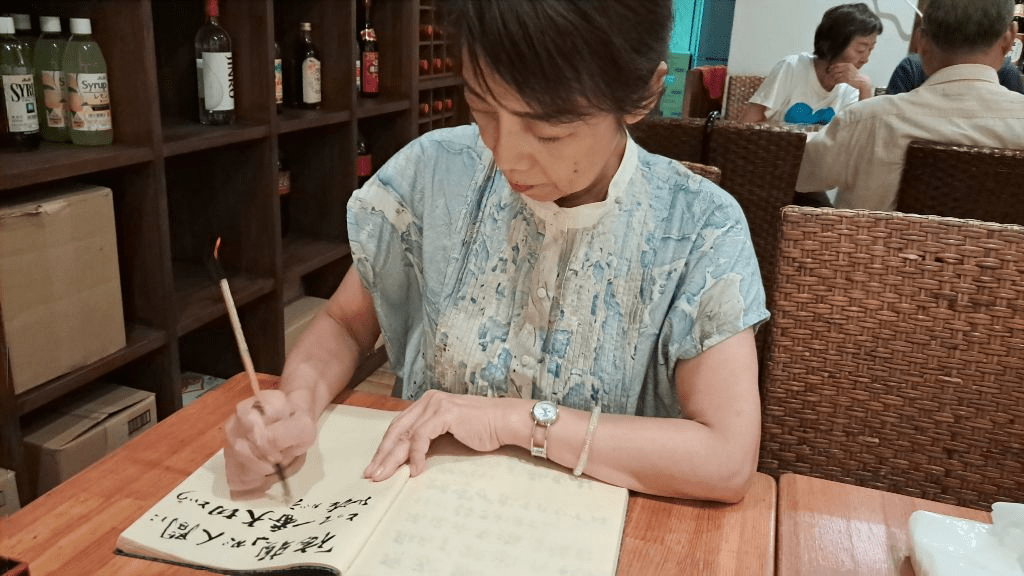
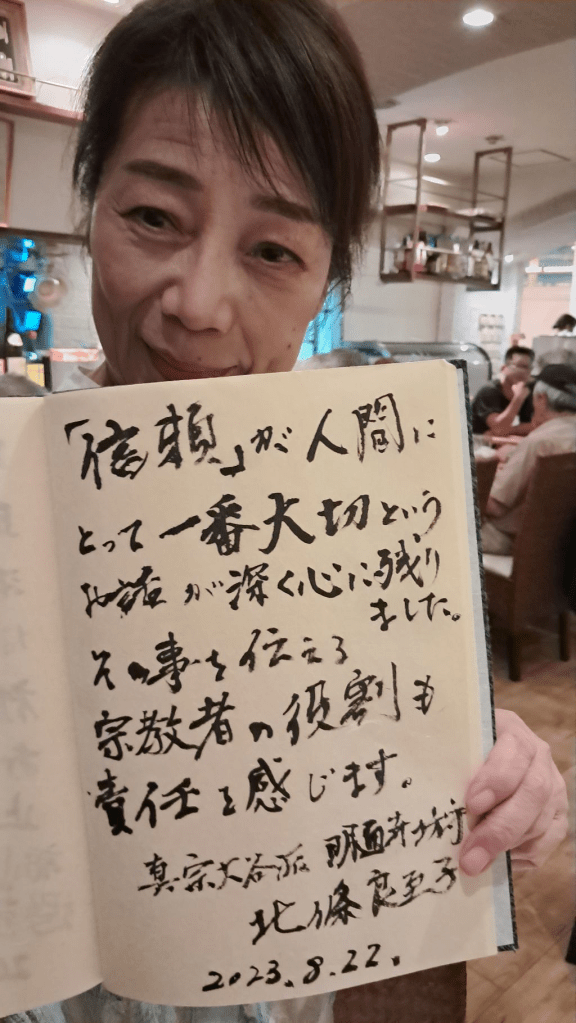
23. Receive a message from Yoshiko Hojo, the person in charge of Myotsuji, the temple I introduced yesterday.
24.
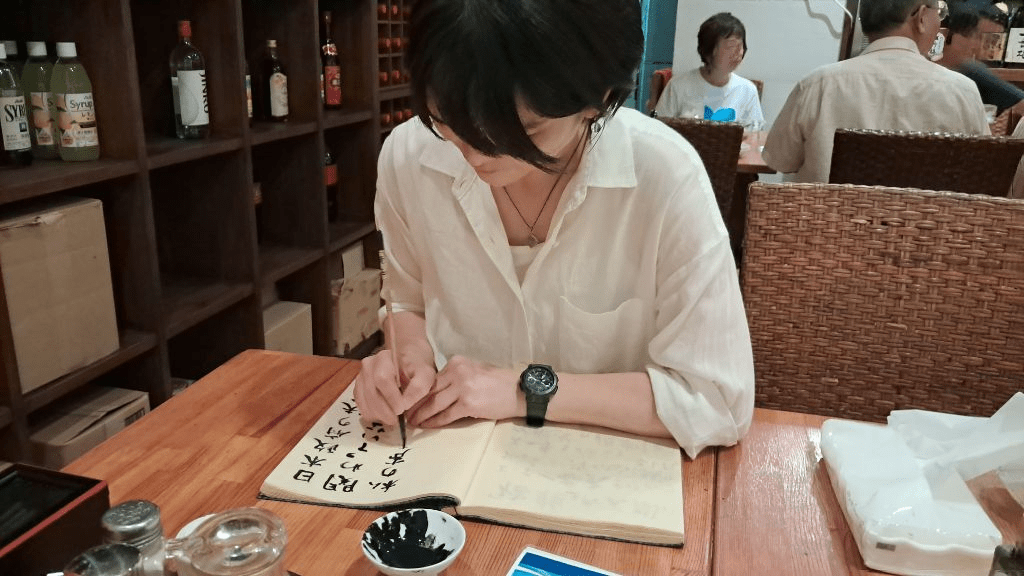
25. Ms. Taeko Kusachi is a director who has been preparing for the press conference and lecture in Nagoya this time, and he even marched himself yesterday. I say thank you to her.
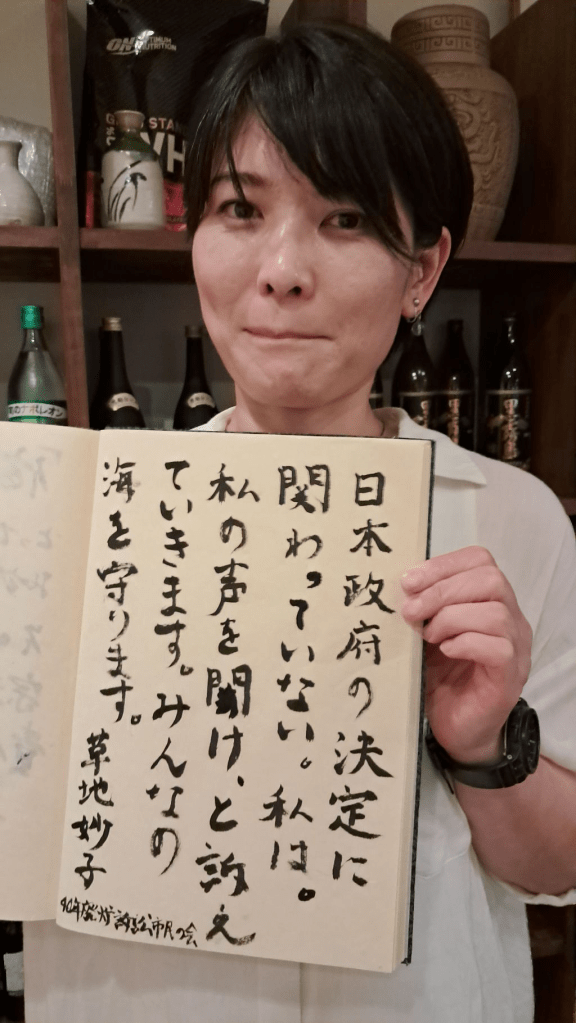
26.
27. Ms. Kim Gwang-mi, a second-generation Korean resident in Japan, took care of me all the way from Gifu City, and even acted as an interpreter at crucial moments. He also brought pickled garlic and leek kimchi that she pickled herself to cheer me up.
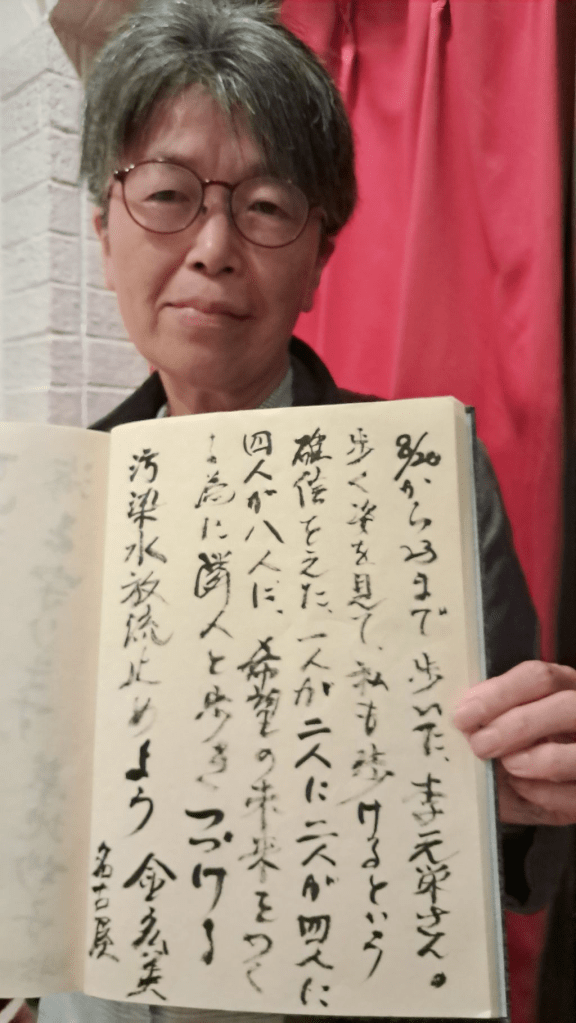
28.
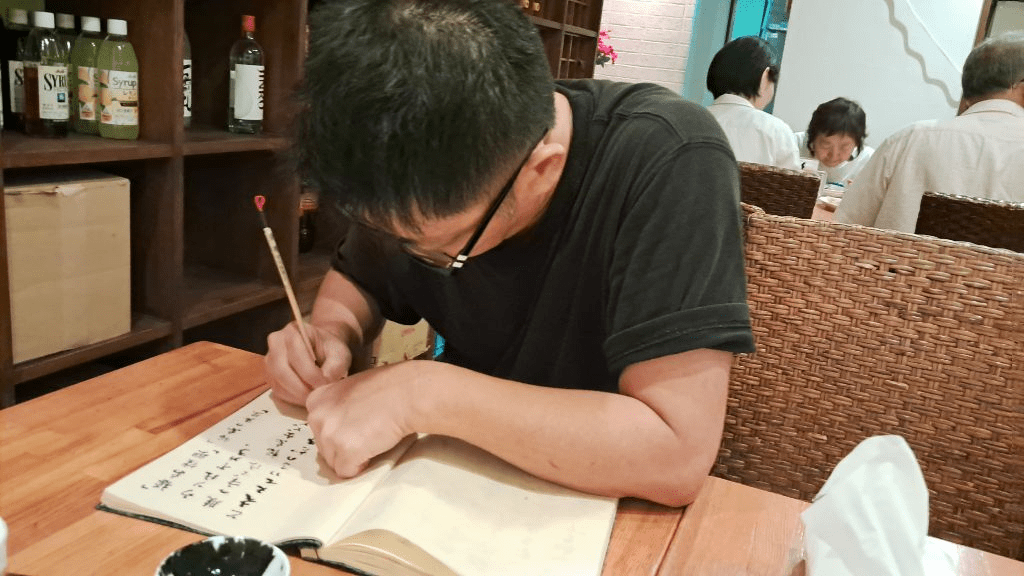
29. I also asked Mr. Shirou Yabu, who walked with me at all the sites for four days and took care of me, for a message.
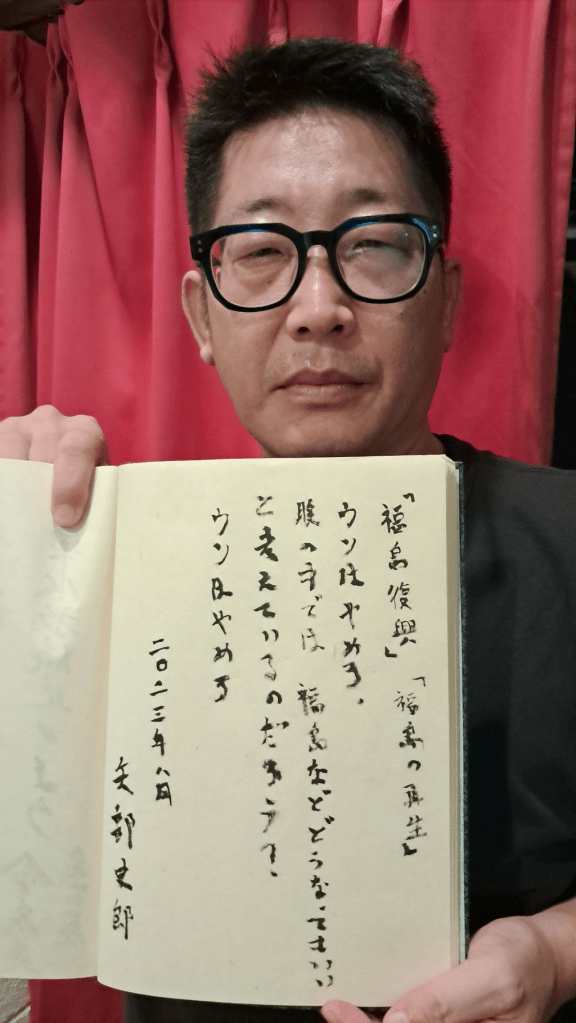
30.
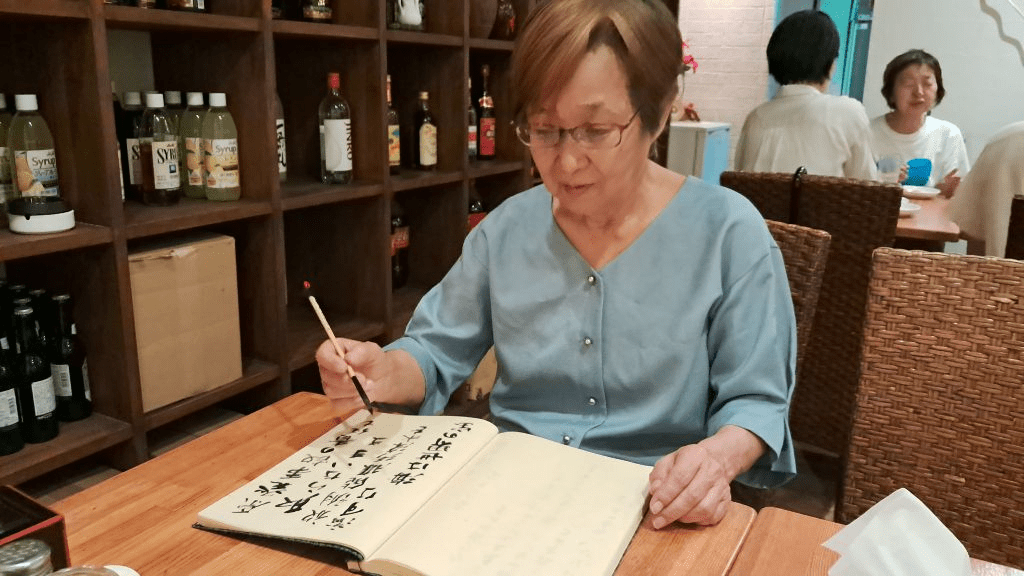
31. I also asked Mihagi Yamamoto, the leader of the anti-nuclear movement in the Nagoya area, who walked with us for the entire two days, for a message.
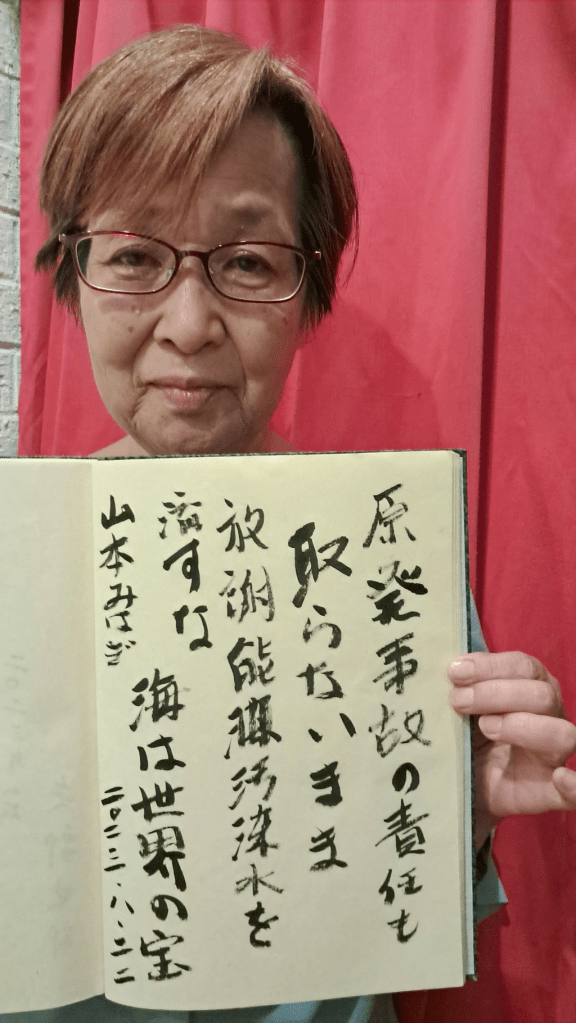
32.
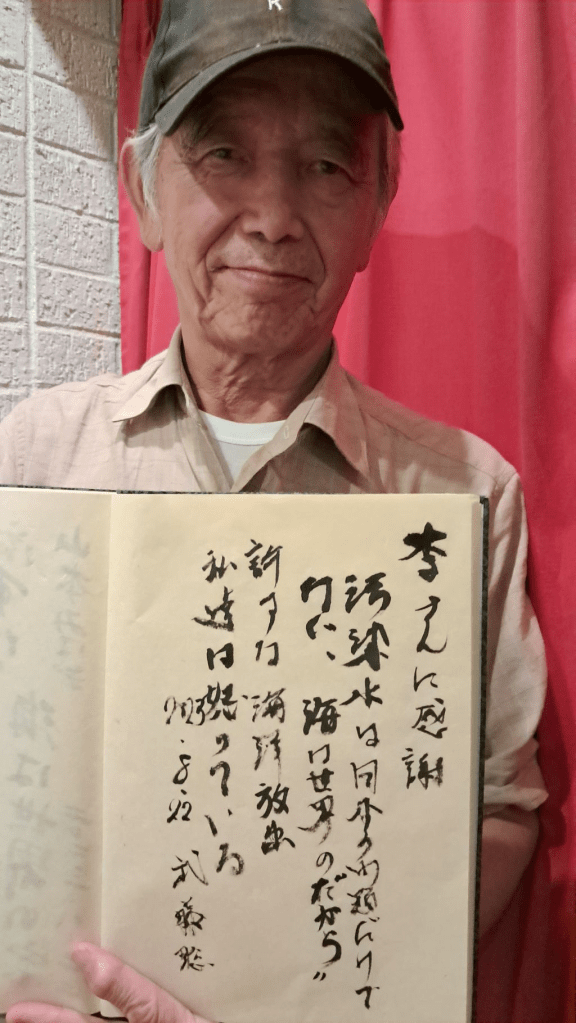
33. Satoshi Muto, who was always with us on site.
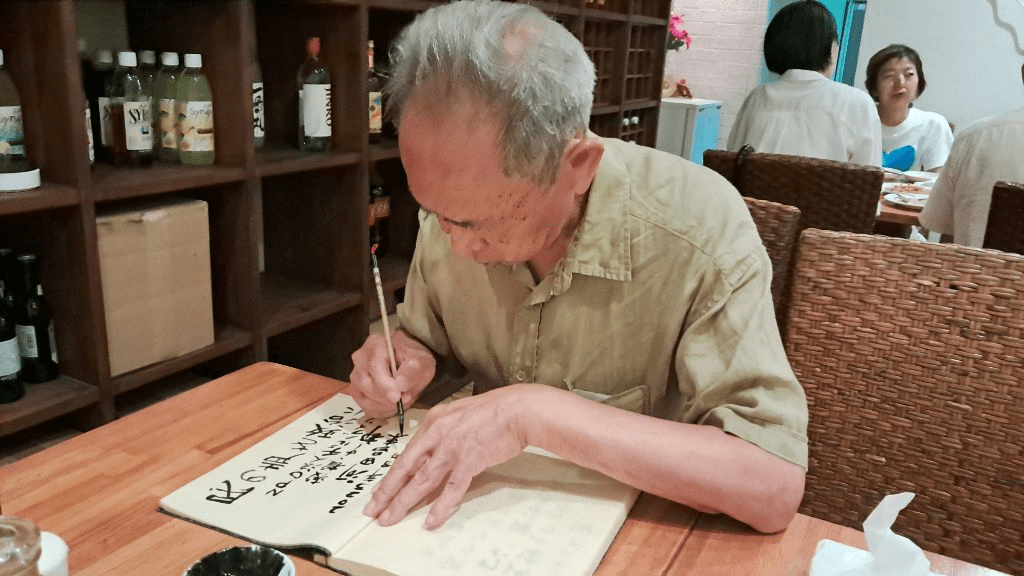
34. I also asked Professor Masaharu Kawata, who gave the lecture with me, for a message.
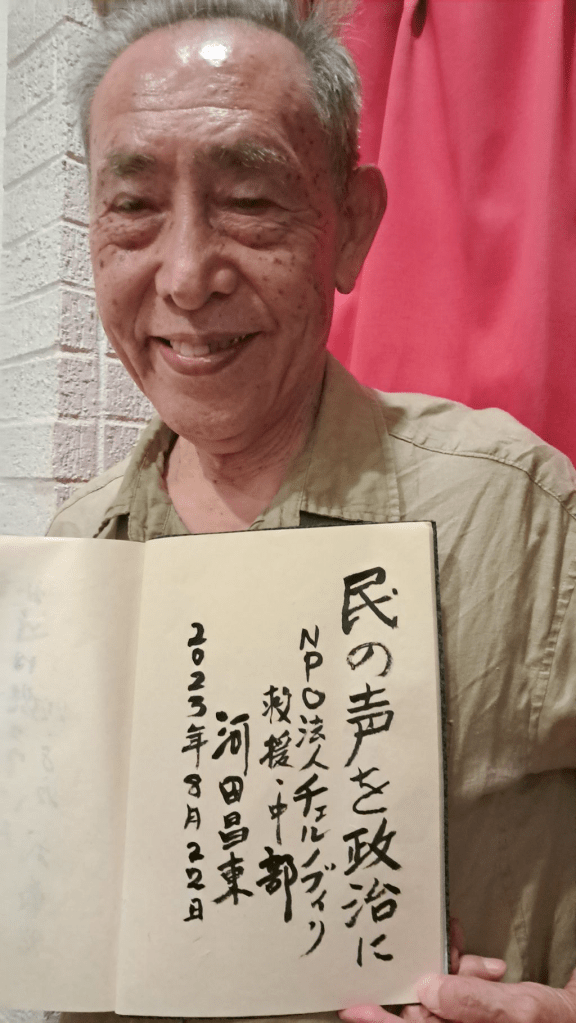
35.
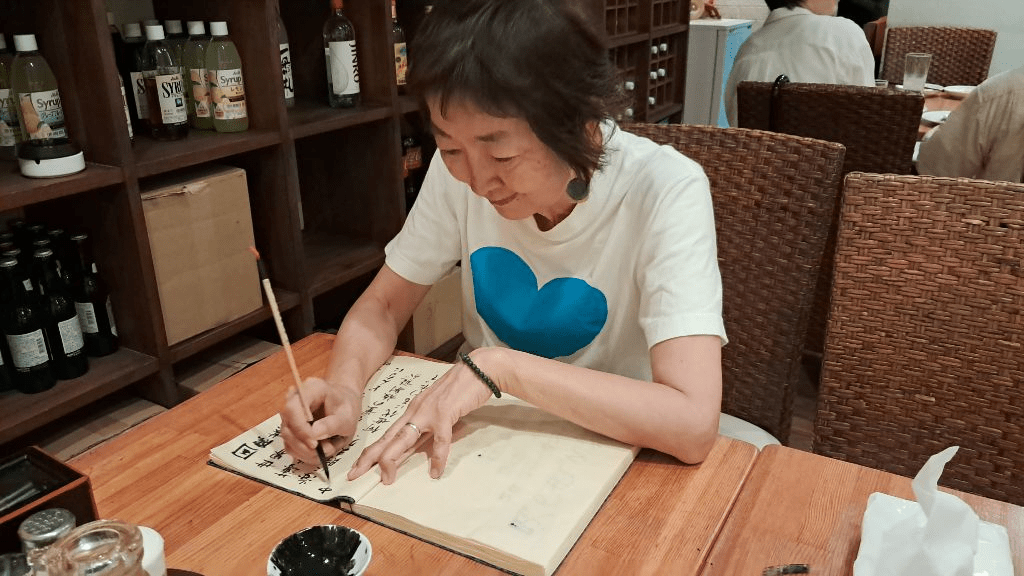
35. I also asked Keiko Ogata, co-representative of the Green Party of Japan, who I walked with this morning, a message.
36.
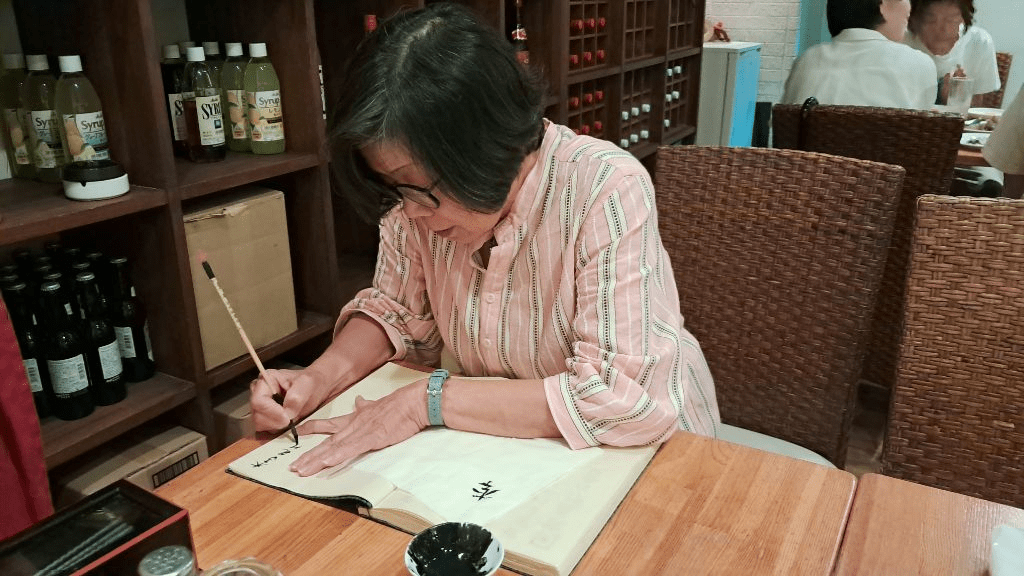
37. I also ask Yoshiko Hasegawa, who walked with me for two days.
38.
Today was a long, long day with lots of stories and lots of messages
Categories: Korean-Japanese citizen walking march
 New Silk Road for Life and No-Nukes
Leave a comment