
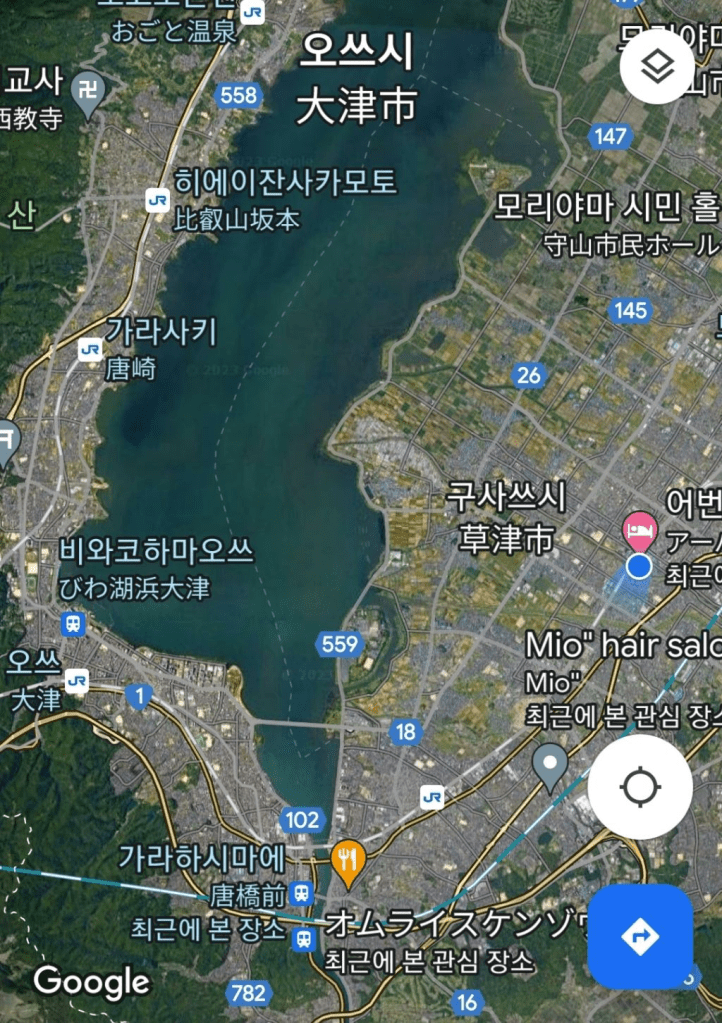
0. Photo of the day is a map showing the vast Lake Biwa and its southern area.
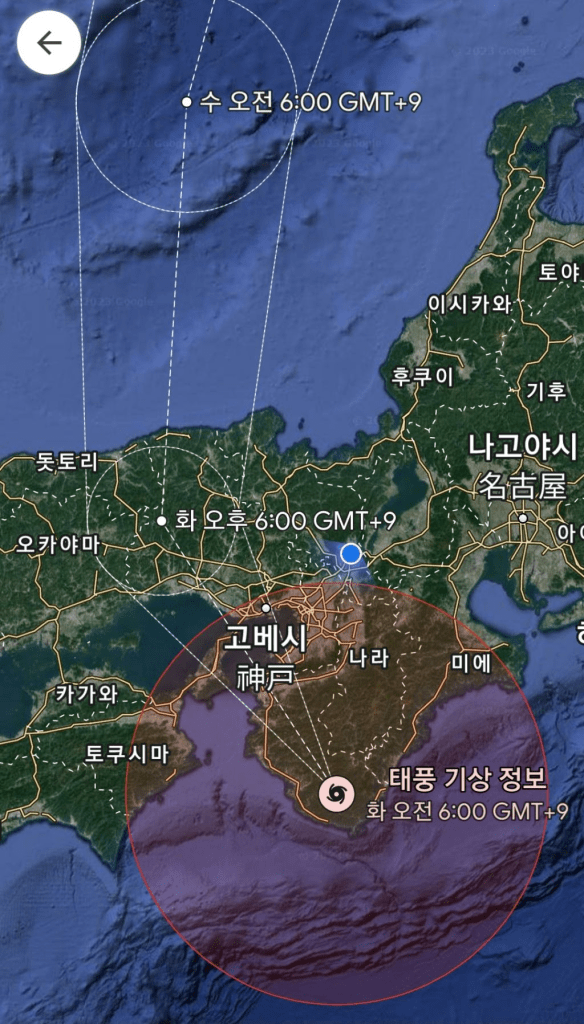
1. Last night, I announced that the march would be canceled for a day because Typhoon No. 7 was passing through the Kinki region of Japan.
2. Kyoto town in the morning.

3. It is very windy.

4. At Kyoto Station.

5. The next day after the typhoon has passed, we have to move to Kusatsu, the starting point, by the end of the day. It’s for lodging. However, the transportation is inconvenient. This is because the JR line has stopped operating. However, I didn’t feel like taking a direct bus to get there.

6. When I look carefully, there is a train that goes to Lake Biwa.

7. I decided to go to Lake Biwa for the time being. It is a very large natural lake that was formed a long time ago. Because the ecosystem is alive and clear, it is a water source for the Keihanshin area. Thanks to Lake Biwa that the faucet at the hotel I stayed in Kyoto was marked as drinking water.
https://ko.m.wikipedia.org/wiki/%EB%B9%84%EC%99%80%ED%98%B8

8. After exiting Biwakohamaotsu Station,
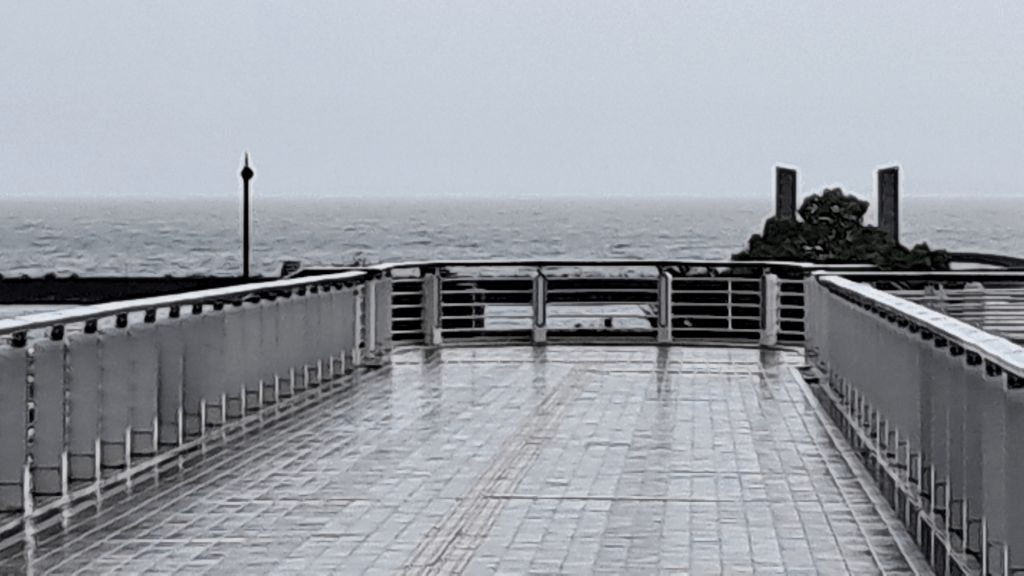
9. Lake Biwa soon comes into view. It’s a refreshing sight. Looking at the surface of the water, the wind doesn’t seem to be that strong.

10. Admiring the scenery
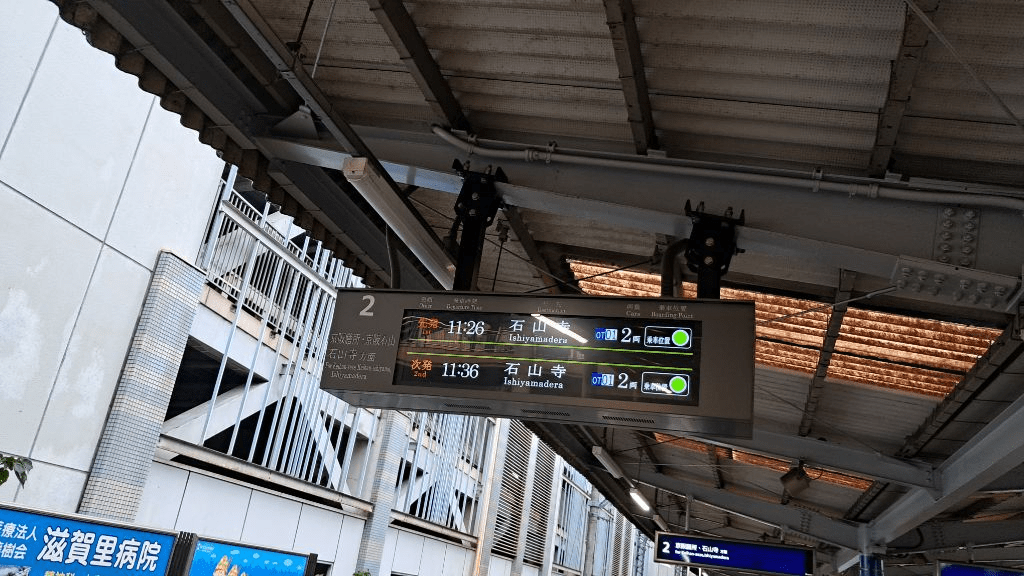
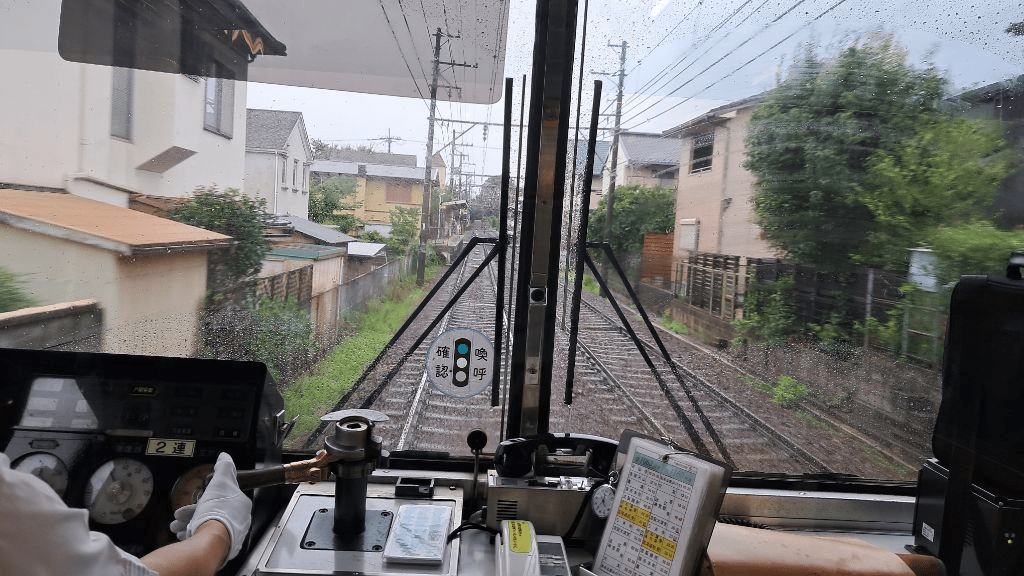
11. For the time being, I decided to go to Ishiyama Station. There is also a famous bridge called Seta no Karahashi.
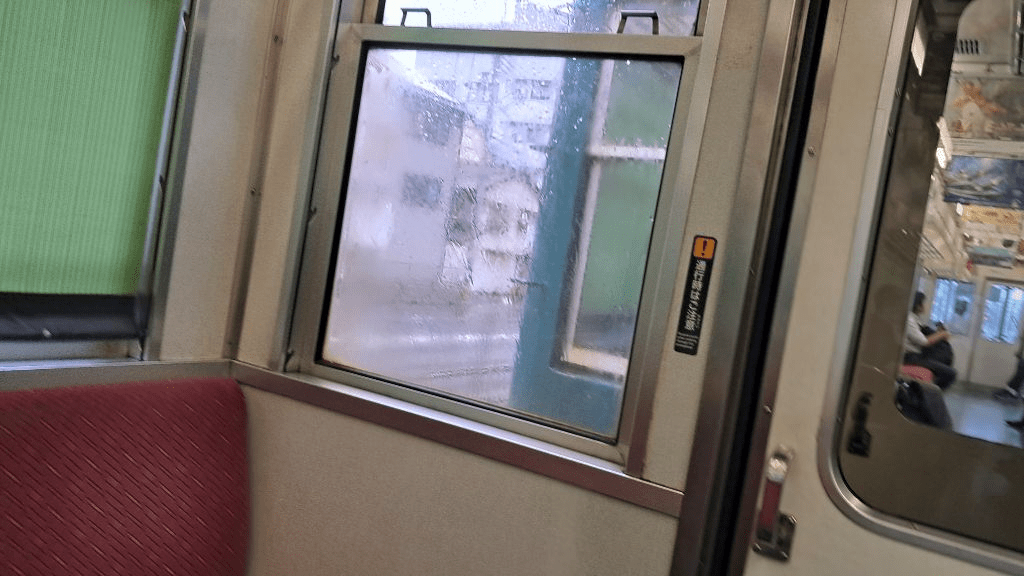
12. It is a subway in Kyoto city, but in the suburbs it is transformed into a long train.
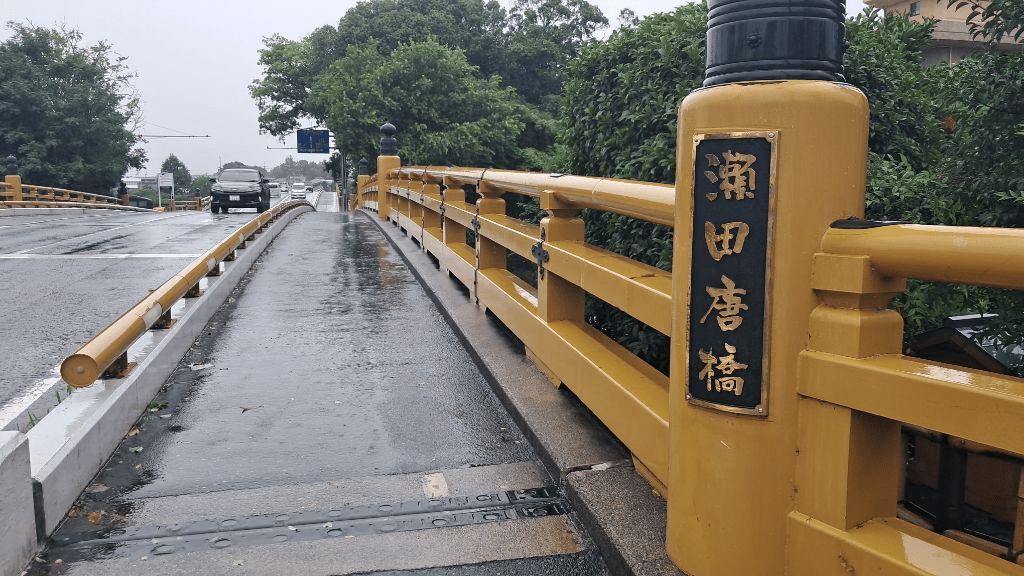
13. Take the subway and train,

14. When I got off at the station, it was raining heavily but the wind was not strong.
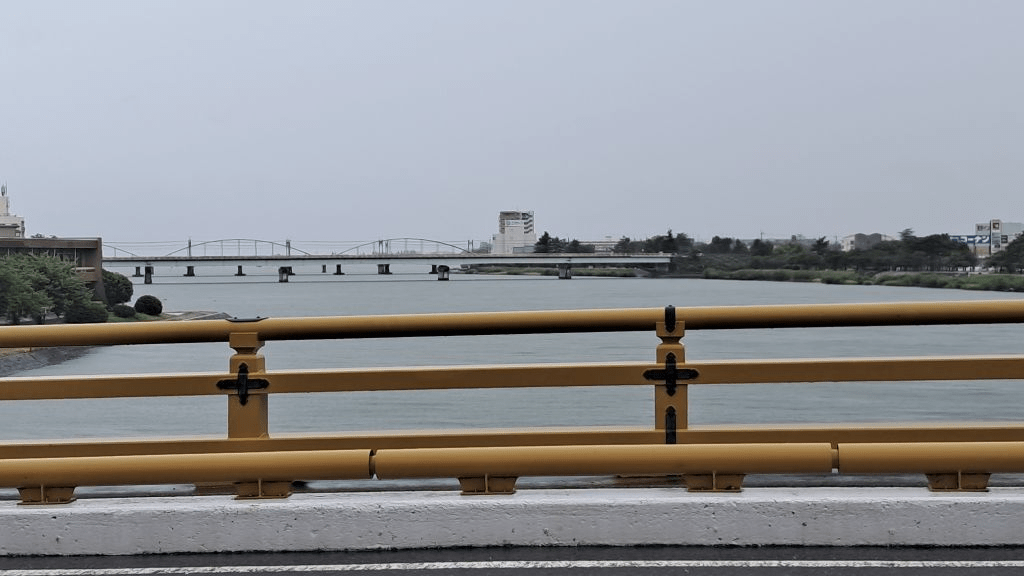
15. For the time being, I decided to cross the famous old bridge called Seta no Karahashi. This is no ordinary bridge.
https://www.biwako-visitors.jp/spot/detail/23046/

16. The water of this river,
17. It flows toward Lake Biwa.
(Inamura-san pointed out. This river is said to flow from Lake Biwa. I checked and it’s true. It is Seta river that flows through Osaka and into the Kobe coast. corrected.)
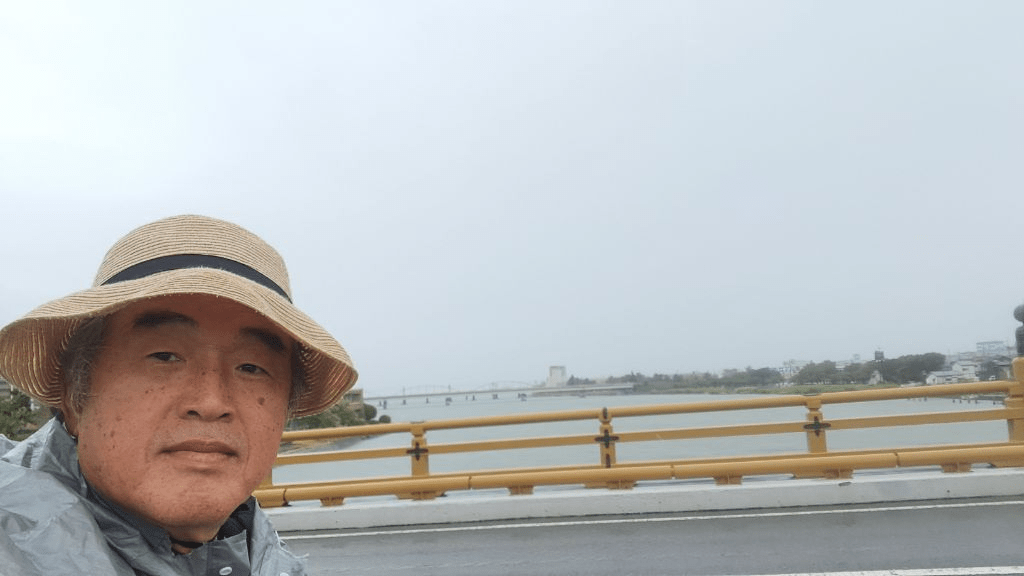
18. It’s a meaningful commemorative photo.
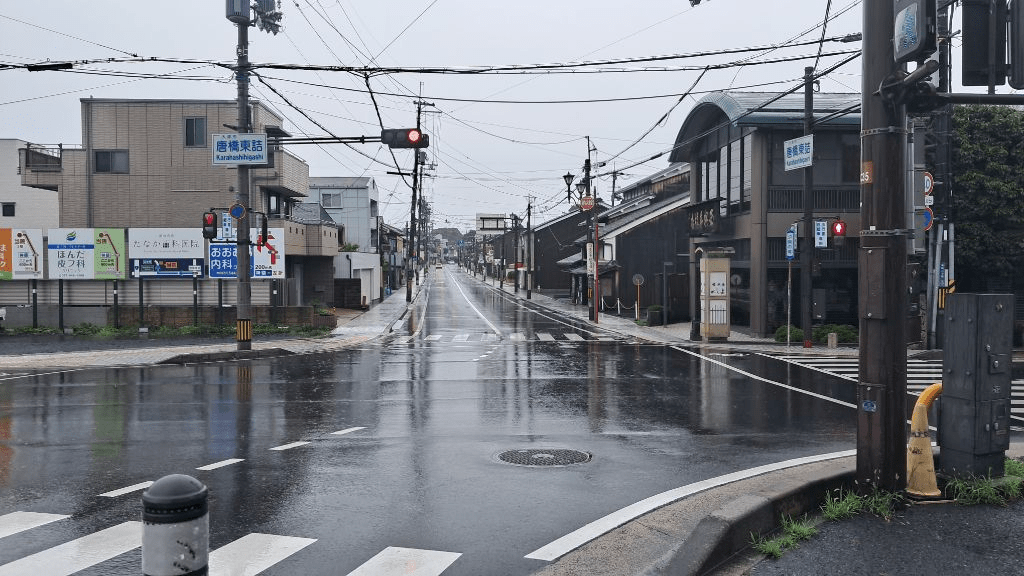
19. As soon as I crossed the bridge, I felt closer to the Kusatsu area. I decided to walk a little over 8km since there was no public transportation anyway. In case of emergency, I plan to ask Mr. Inamura, a comrade I met the day before yesterday, for support.
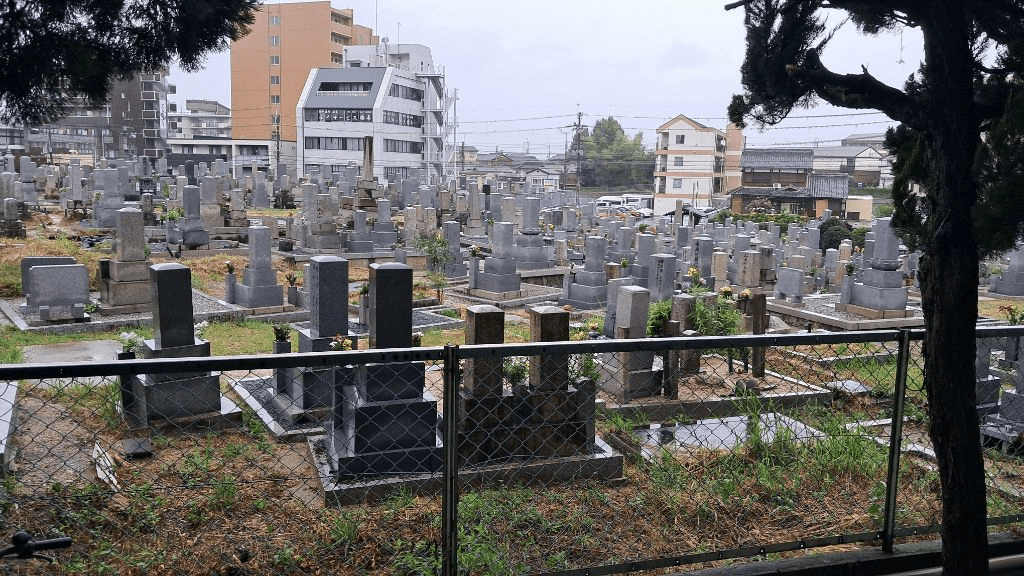
20. The town cemetery caught my eye while resting behind a building when the wind blew hard for a while. Japan, like the West, has cemeteries in towns. life is short. Our children and the next generation will carry on our lives, but contaminated water adds terrorism to ourselves. A nuclear power plant, of course. At least before and after the Fukushima nuclear accident is different. Seeing people still defending nuclear power plants inevitably makes me angry. It is even more difficult to remain silent and put up with politicians and intellectuals who ignore the German case. This march is also supported by that anger.
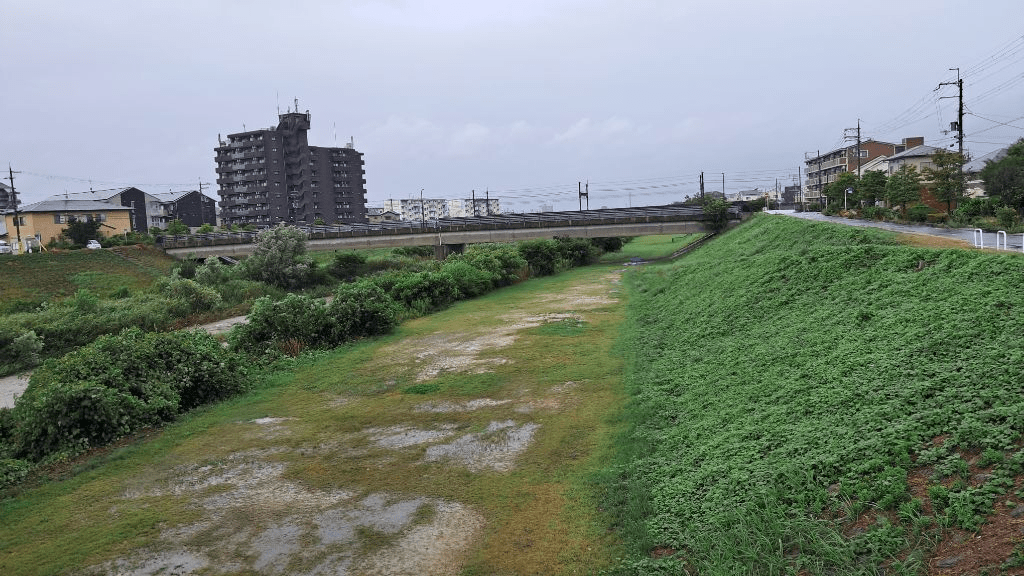
21. It’s raining, but there’s cool breeze and no sunshine, so it’s good enough to walk. Luckily I made it to the end without any problems.

22. Finally arrived at the town of Kusatsu.
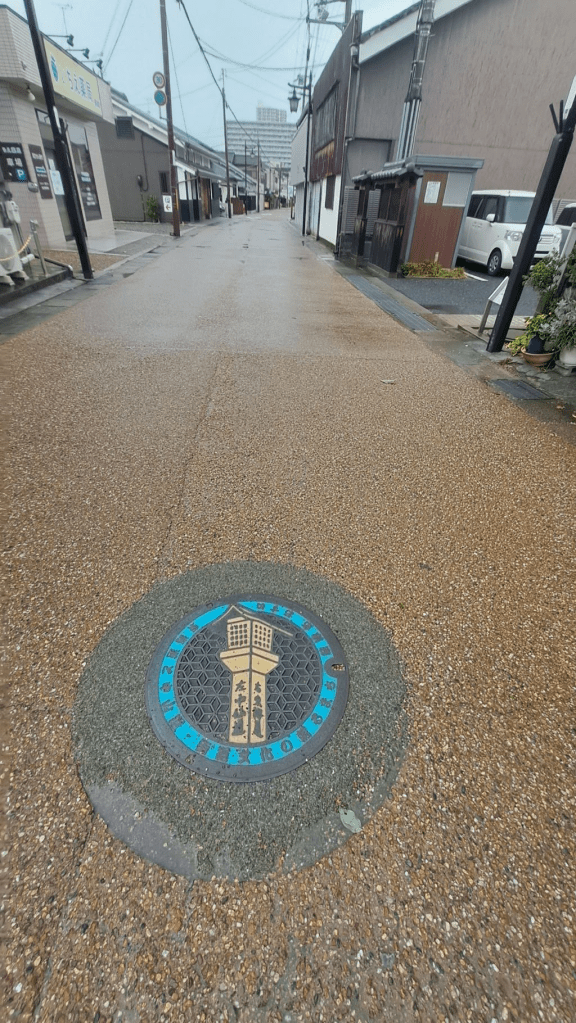
23. Enter a traditional town near Kusatsu Station.
24. Upon arrival at the inn, from internet searching, I found a report revealing that the Japanese government had orchestrated evil deeds.
https://www.mindlenews.com/news/articleView.html?idxno=4521
How could the state dare to commit such a shameless crime? Unchecked power is bound to be abused. No matter what the Japanese government does, the people are quiet, so they have no choice but to go as they please. It’s been like that for a hundred years. However, Japan is now a democratic country. The “lord of this land” must step in and correct it.
Categories: Korean-Japanese citizen walking march
 New Silk Road for Life and No-Nukes
Leave a comment