This is a record for the first two days of August.
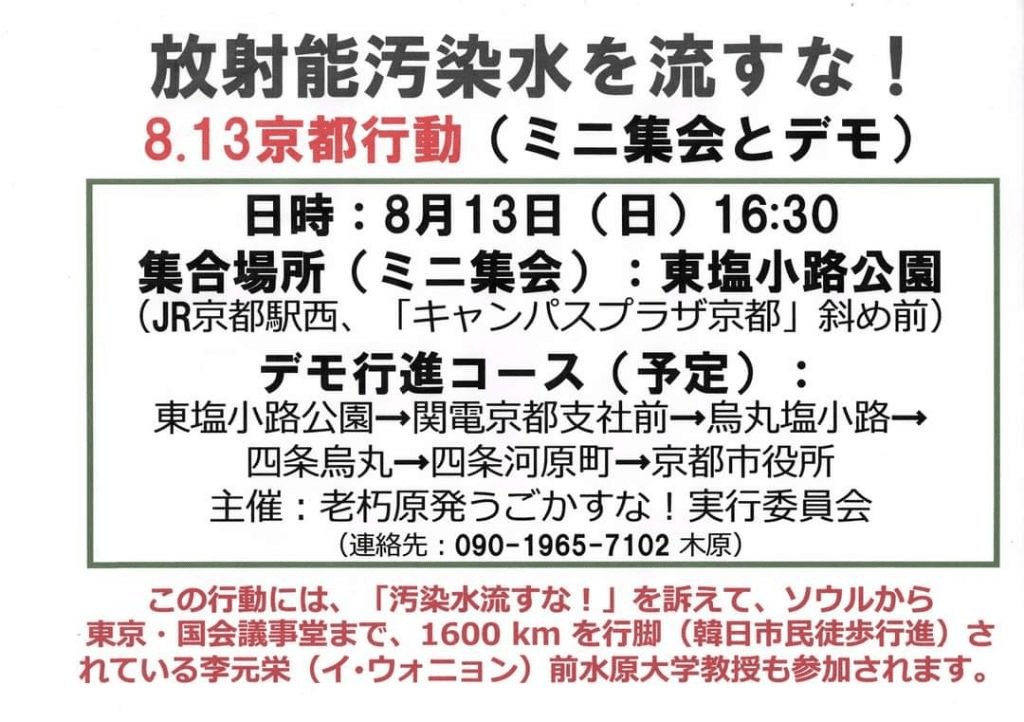
0. The notice above is for an upcoming event in Kyoto on Sunday afternoon, August 13th. There will be also a street parade after my remarks at the rally. I hope that local people in Japan will cooperate with each other for the event.
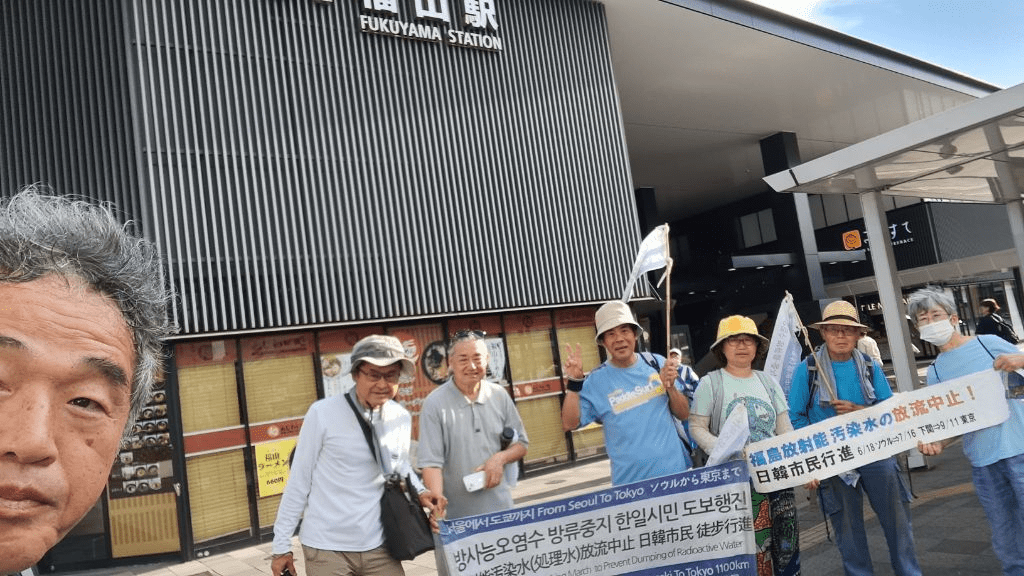
1. So far, it seems that we have passed about half of the journey of this entire walking march. Citizens gathered at Fukuyama Station in the morning of August 1st.
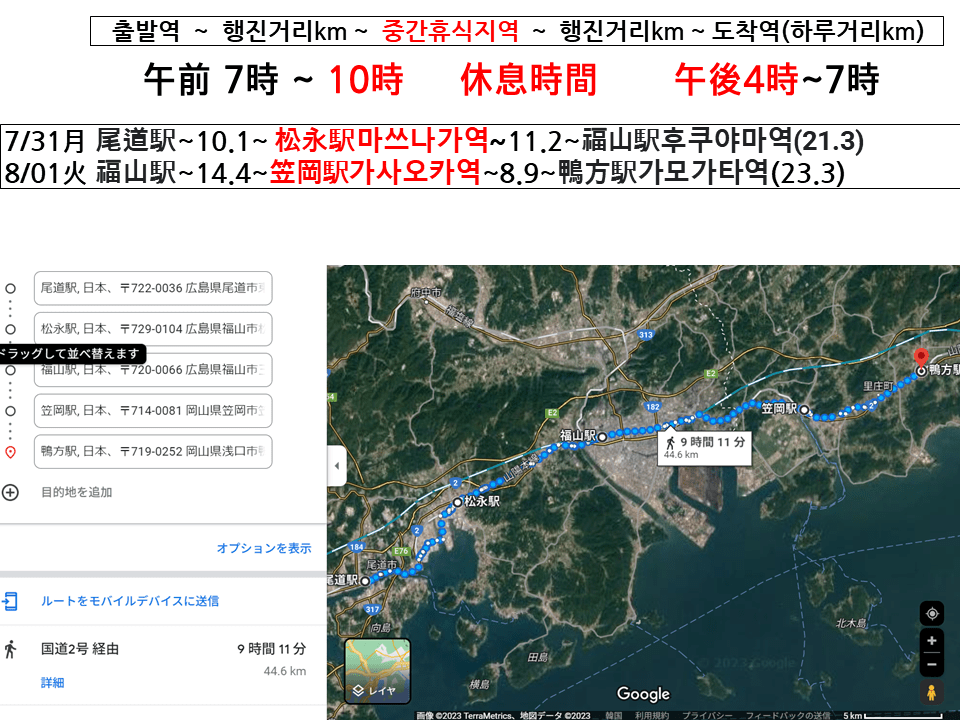
2. This morning course is over 14 kilometers to Kasaoka Station.
3.
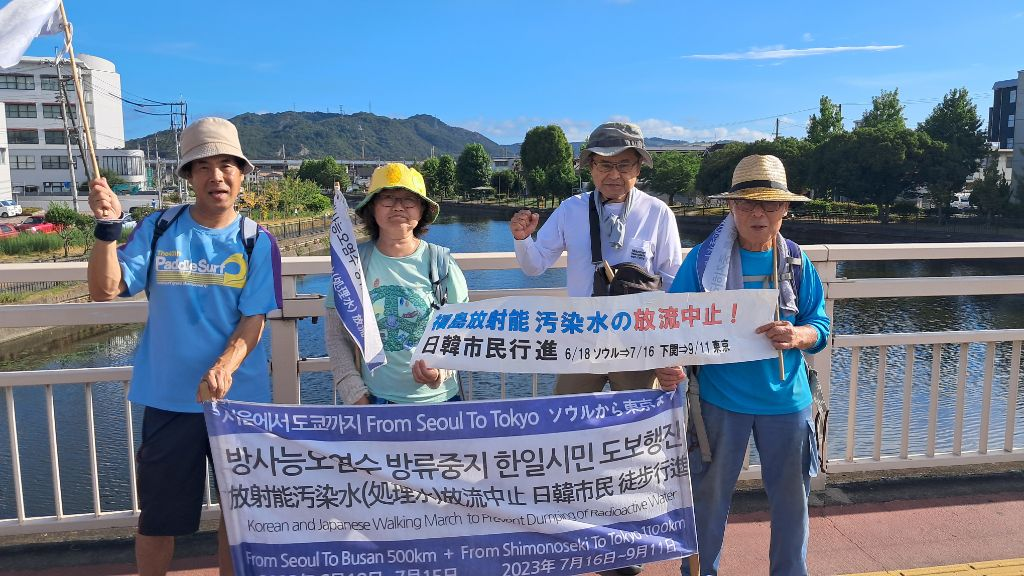
4. From the left Hara Tsunenori
Kanon Yosie
Tsunoyama Kazkiyo
oooooooo (I need to confirm this person’s name)

5.

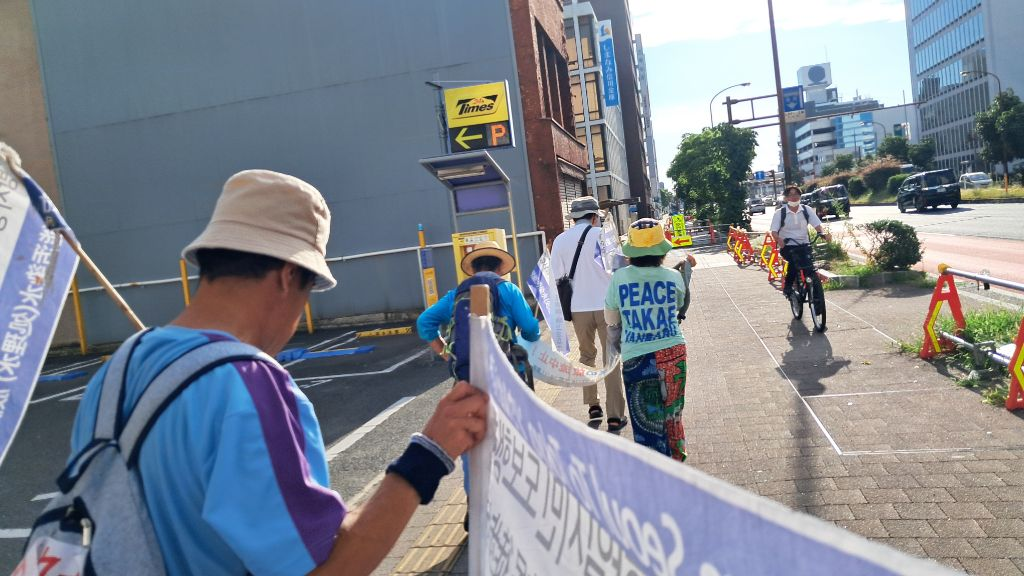
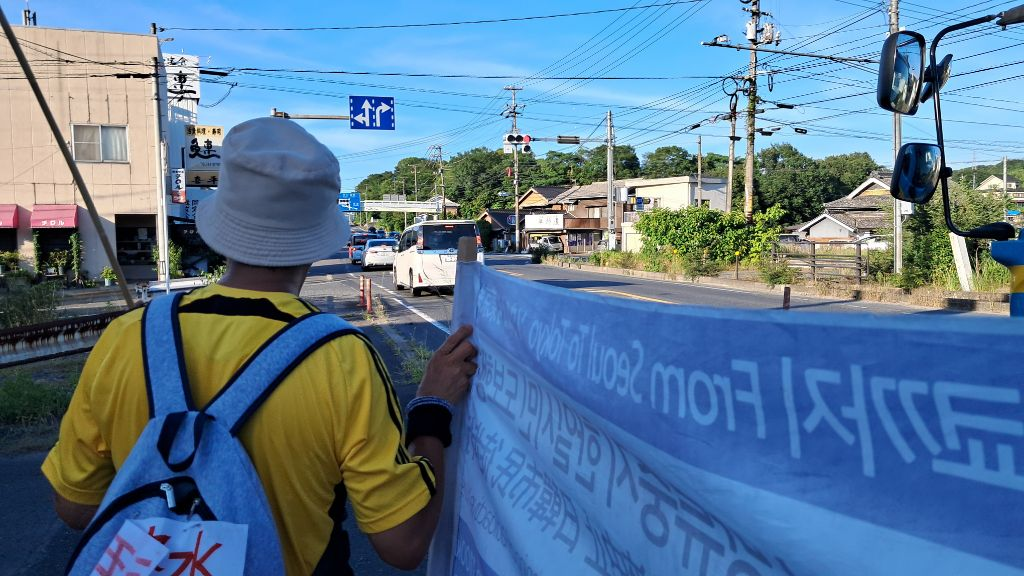
6. After the street march, the three of us walk a long distance.
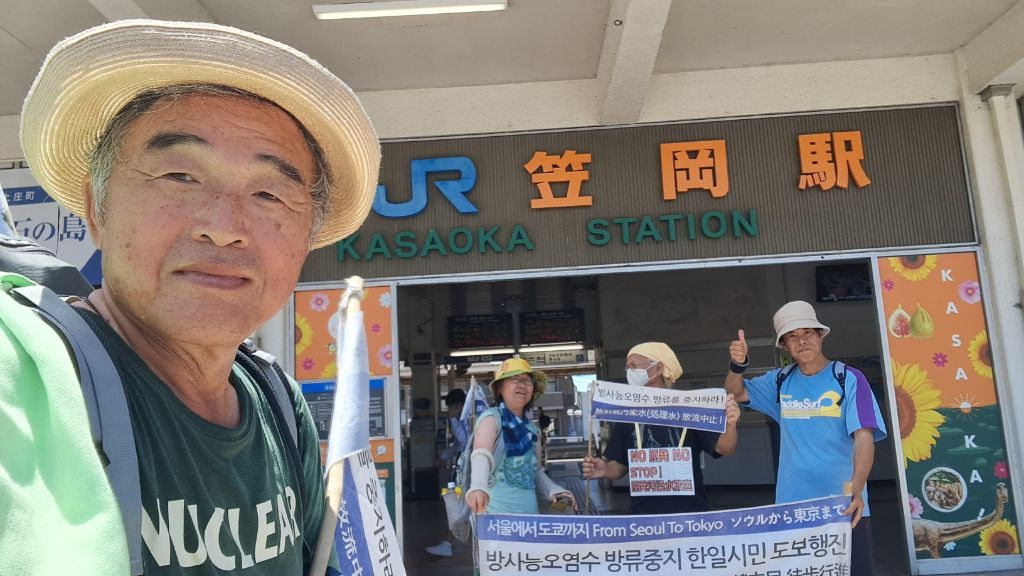
7. at last, we arrived at Makasaoka Station. From here on, it belongs to Okayama Prefecture.
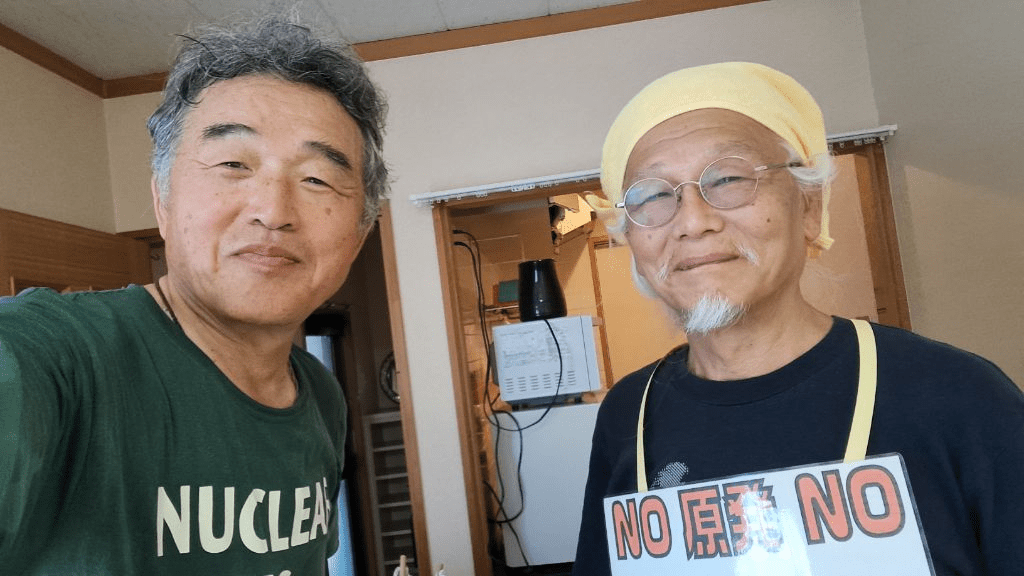
8. Thanks to Shunichi Nakamura san for providing me with a place to rest during the day. In addition to lunch, the rest area was equipped with all amenities, so I could rest comfortably.
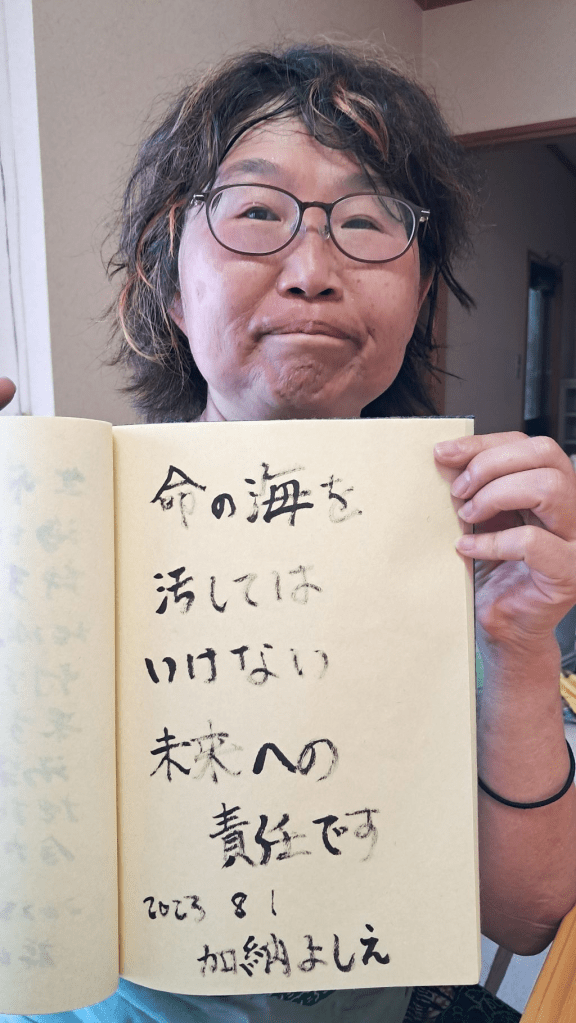
9. Yoshie Kano purposely came to Fukuyama yesterday to take part in this walking march despite living in Kyoto. And she’s been walking for two days in a row. I asked her for a message.
“We must not pollute the sea of life.
That is our responsibility to future generations.
2023.08.01
Kano Yoshie”

10. In the afternoon, I walk with Hara-san. Lately, whenever Hara-san has his day off, he joins the march, no matter how far it goes.
11.
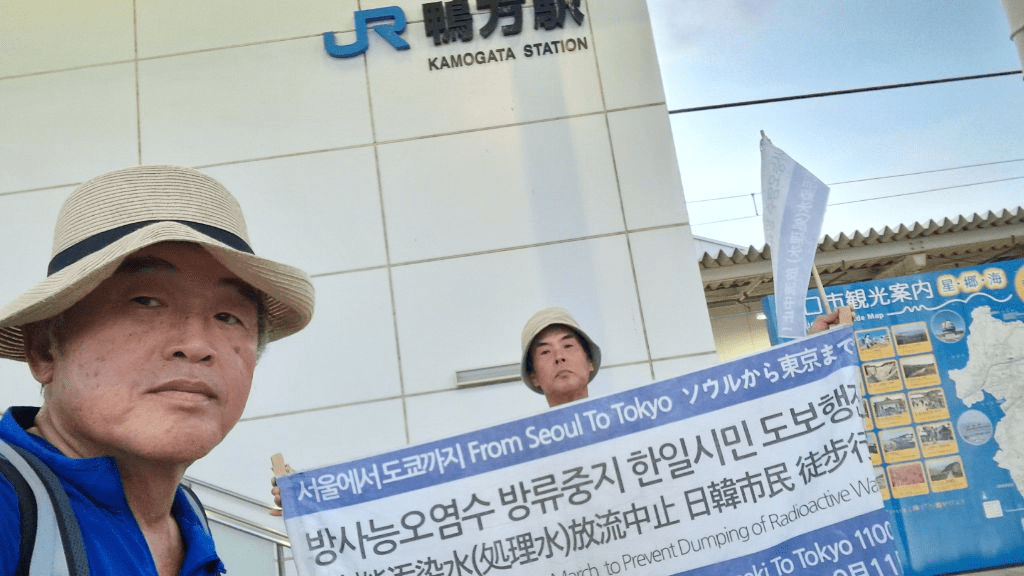
12. Arrive at Kamogata Station. Thanks to him for walking this far with me.
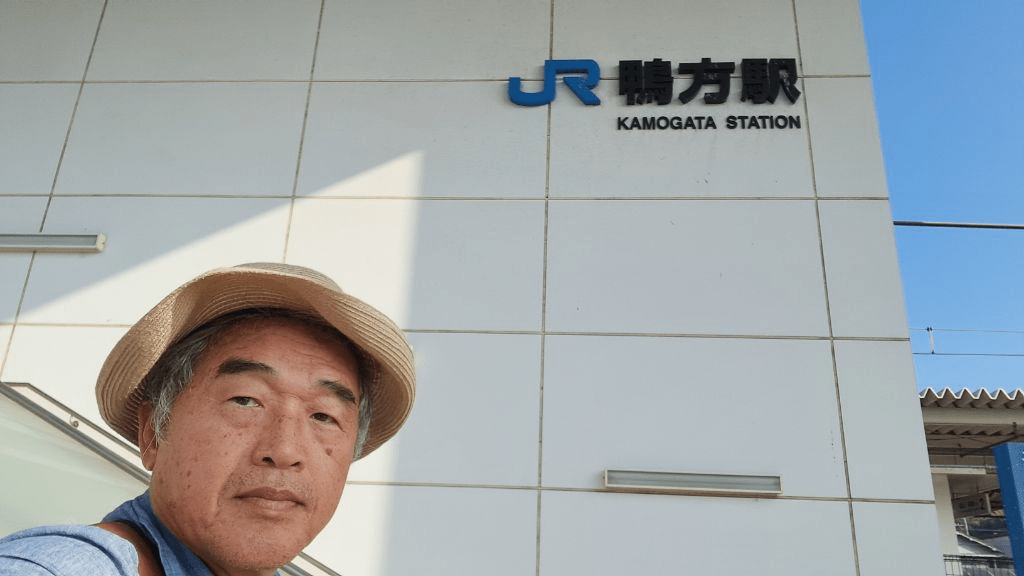
13. While no one has yet contacted me to attend the walking march tomorrow, August 2nd, I was a little worried, so I had trouble sleeping and ended up leaving the lodging a little late this morning. It wasn’t until 7:20 that I finally arrived at the starting point. Even then, I had no idea that someone had arrived at the departure station on time and was waiting for me.

13-1. Course ahead with the usual 20km.

14. I start walking this path alone.
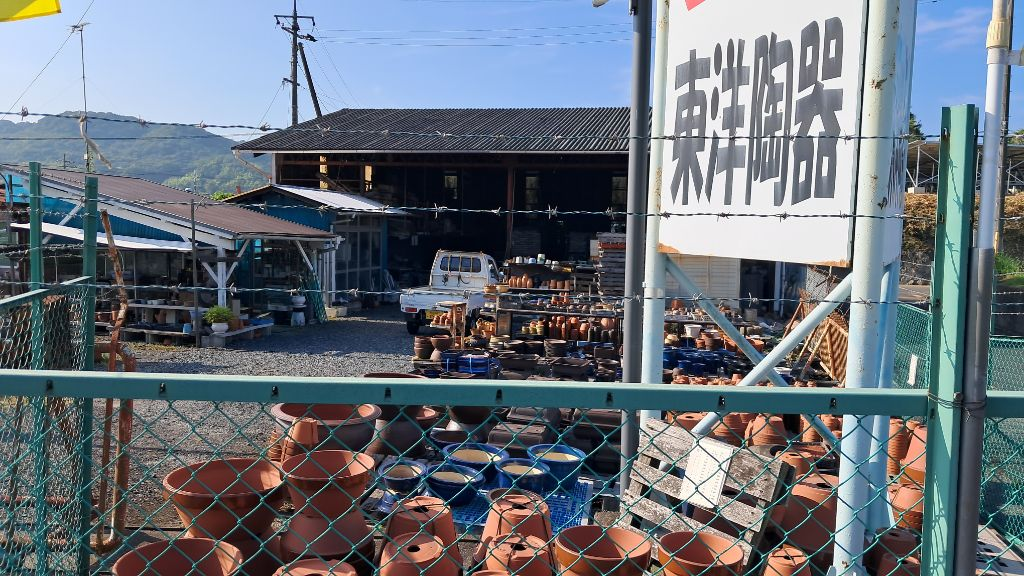
15. These pottery products are difficult to import. we have to make them by ourselves.
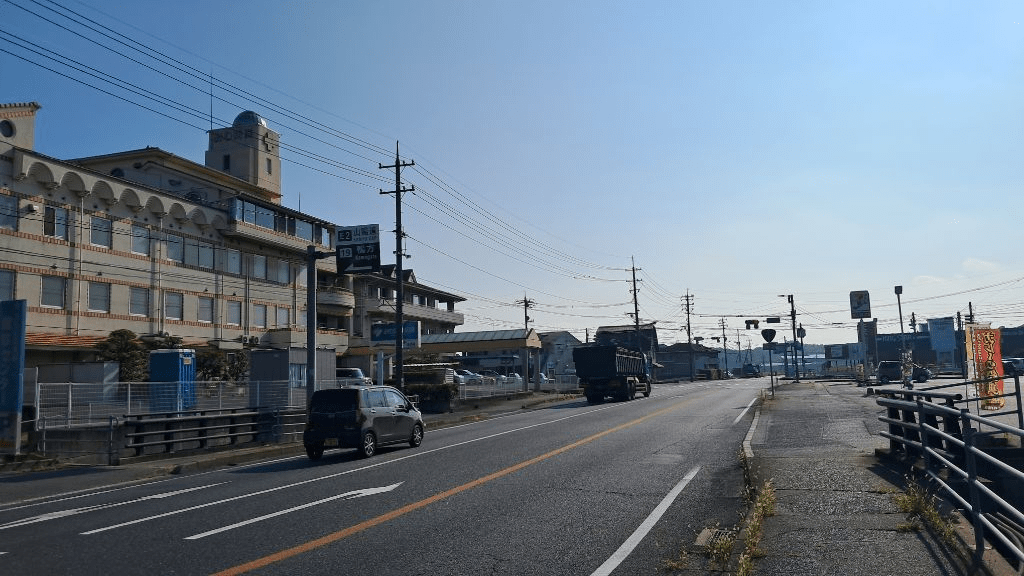
16. Even though it is early in the morning, it is already very hot.
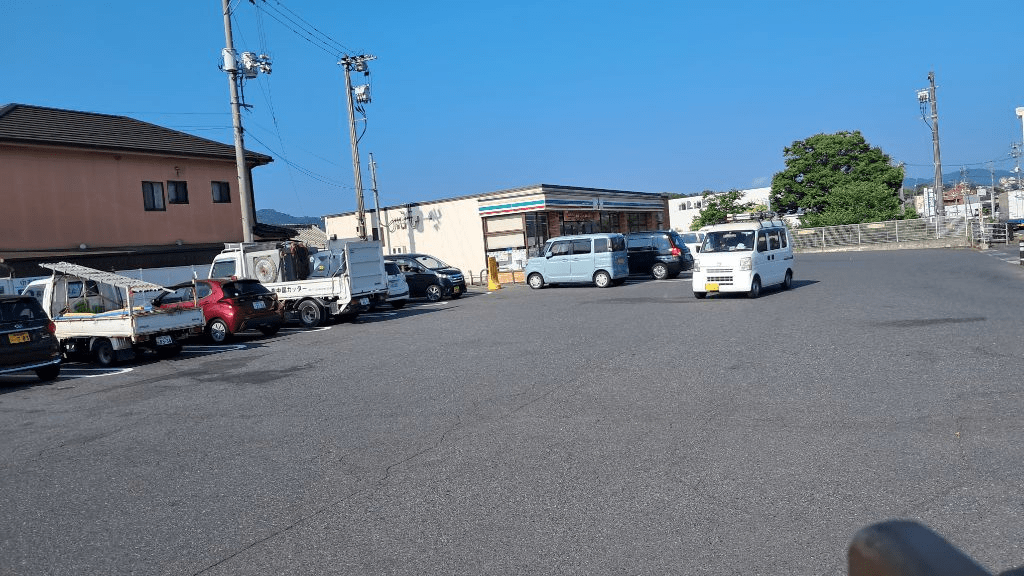
17. A parking space at a convenience store.
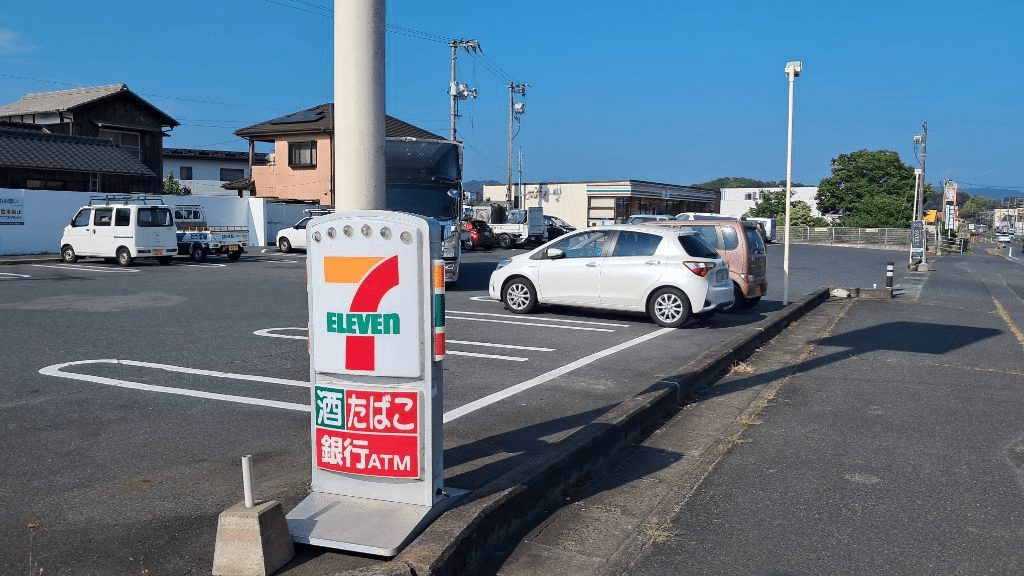
18. Compared to a few years ago, the parking spaces at this kind of convenience stores seem much larger. On the other hand, the number of restaurants has noticeably decreased. Are convenience stores replacing restaurants?

19. A fruit and vegetable store that seems to have been around for a long time.

20. When I am alone, I take my time and enjoy sceneries.

21. The appearance of a natural vegetable garden at the entrance of a neighborhood leading to a shortcut. If you mulch with straw like this, it is good for the breeding of aerobic microorganisms. It will become a balanced soil. Vinyl mulching, which only pursues convenience, weakens roots due to diseased soil and is vulnerable to pests and diseases. then you will have no choice but to use pesticides.

22. Farming methods that dry the bottom of paddy fields like this reduce emissions of greenhouse gases called methane and at the same time increase the fertilizing effect of anaerobic microorganisms. You can often see rice fields like this in Japan.
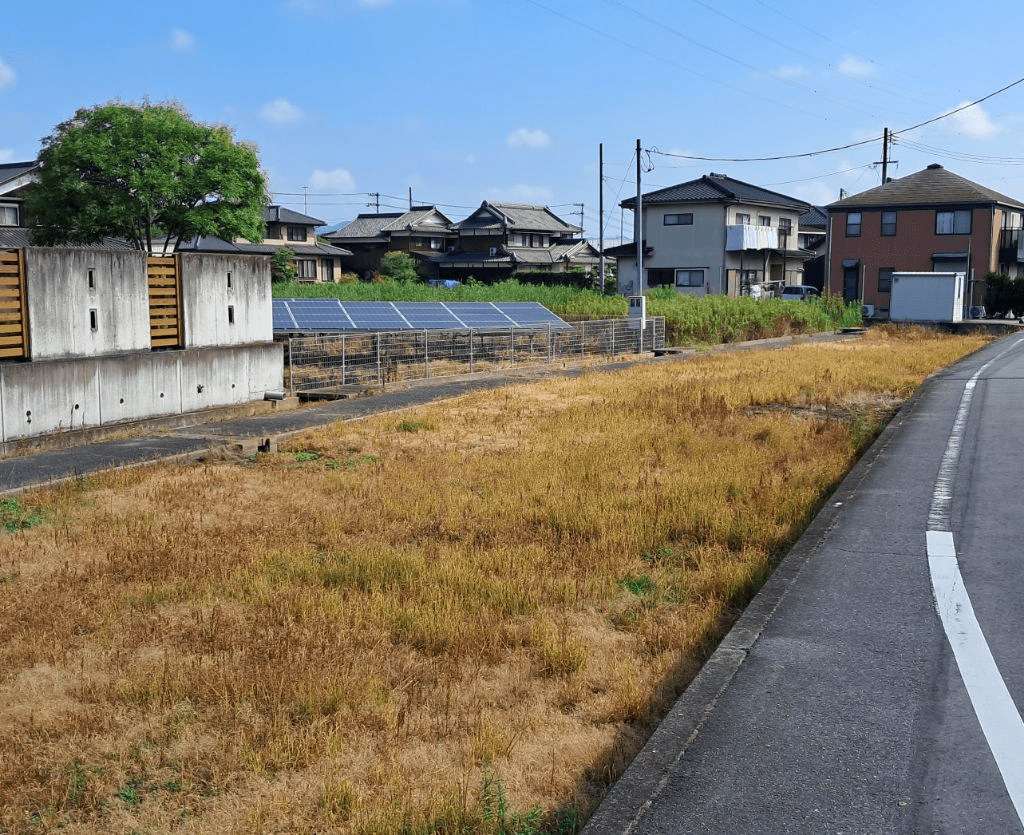
23. Japan also has a lot of idle farmland like this, probably because of the aging rural population. It seems that the trend of installing solar panels in flat areas has also increased significantly compared to the past.

24. This farmer goes directly into the rice field and is weeding. Even at a glance, it is a clean rice field without pesticides. As it was originally, healthy food has become more important in the current age of one hundred years of life. Some intellectuals denigrate these ecological efforts as out of step with the modern economic system. However, in Europe, such as Germany, these ecological technologies form a large axis in a universal economic system. Japan seems to be already in the same trend. Rather, isn’t the disparaging attitude among some Japanese intellectuals expanding, bringing about misjudgment in the Kishida era?

25. Walking alone is good for making observations. Japan’s soil is volcanic ash, so it is fertile in itself. It is different from the weathered soil of Korea’s granite and sedimentary rocks.

26.
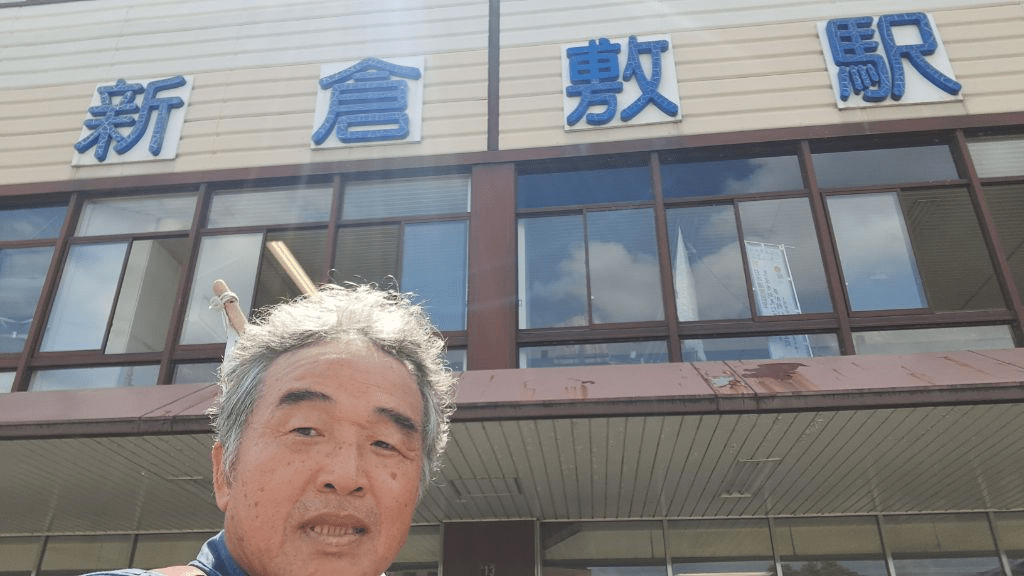
27. Before I even knew it, I arrived at Shin-Kurashiki Station. However, according to one of my unchecked cellphone messages during my walk, someone is looking for me right here.

28. This is Ono Takako-san. she was the one who waited for me at the starting point this morning. Gomennasai (I’m sorry). After taking a commemorative selfie, we plan to meet again at the start point of this afternoon march.
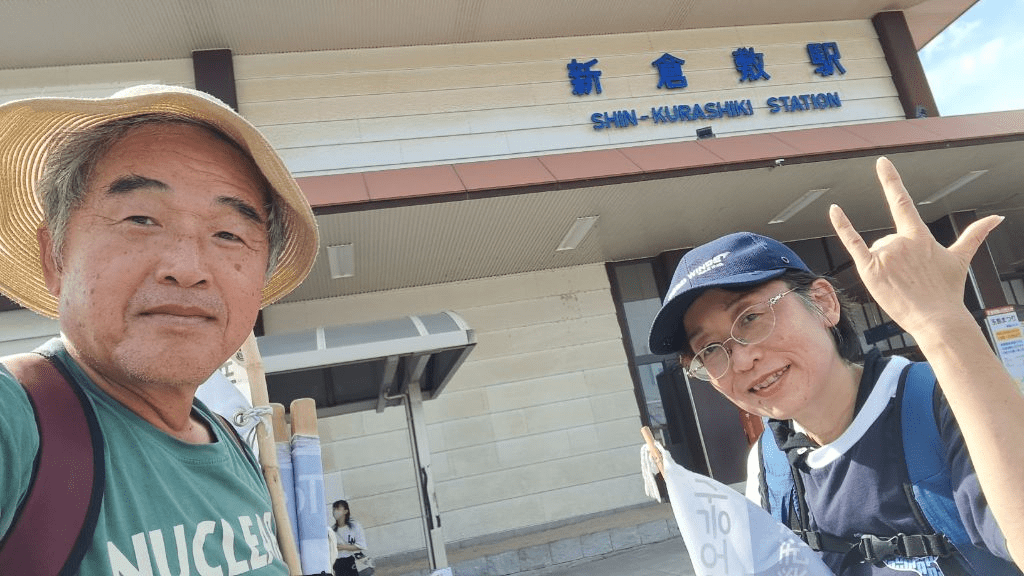
29. two of us start marching at 4:00 PM.

30.

31. after a while, when we were on our way, we met a boy who recognized the Korean language on our placard. He says that his parents are related to Chosun School. Oh No-san kindly tells him about the walking march. And a selfie together.

32. The old railway bridge over the wide Takahashi River has been converted into a pedestrian bridge.
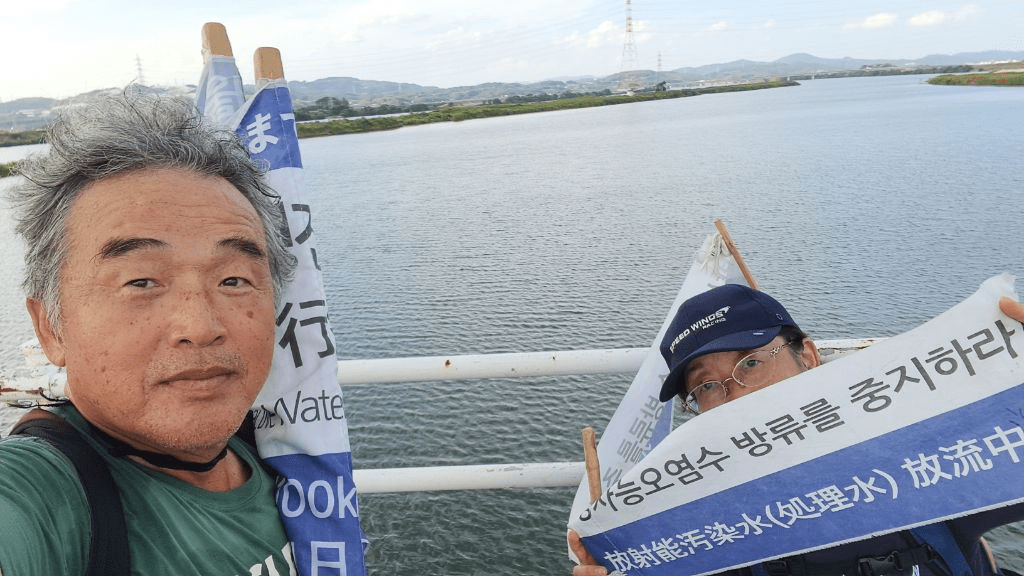
32. A commemorative selfie.
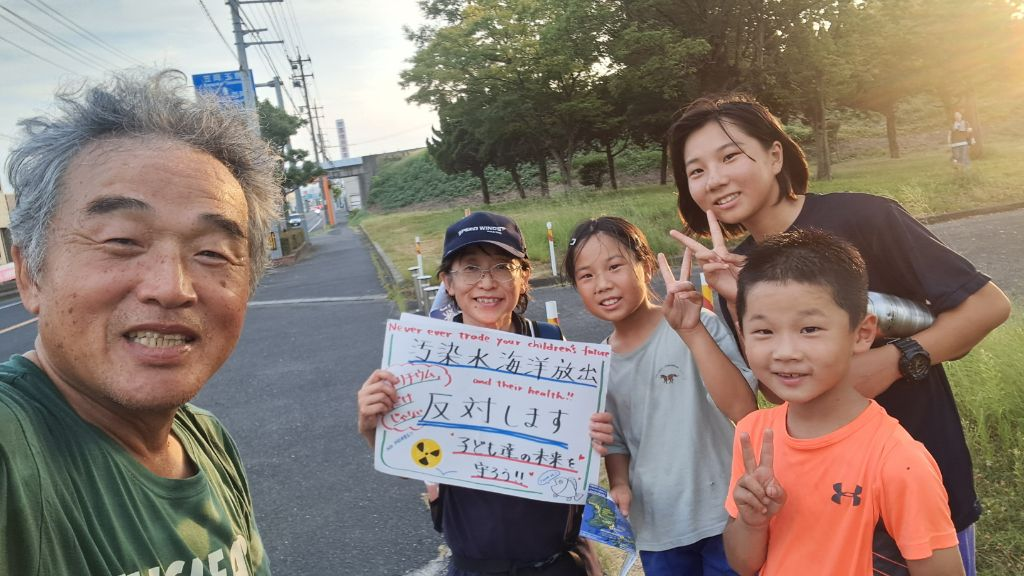
33. This is the highlight of the day. As the sun goes down, the children we met in Kurashiki City look at our march in wonder. The tall child is in her first year of middle school. They listen carefully to everything Oh No-san explains in detail. Then they give me a word of encouragement, ‘Kanbadde Kudasai’.

34. When we arrivee at Kurashiki Station, our comrades welcomed us.
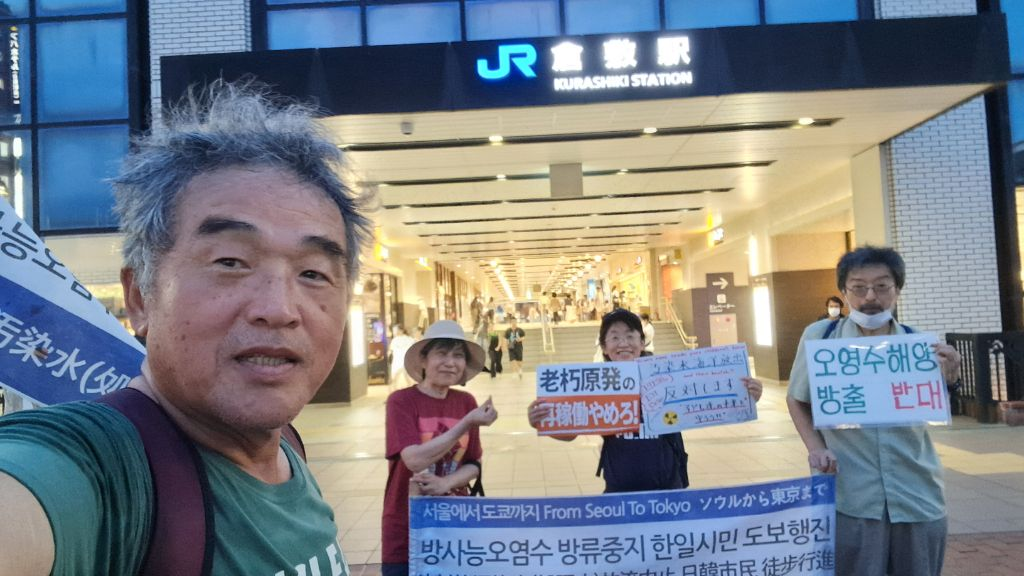
35. A commemorative selfie.
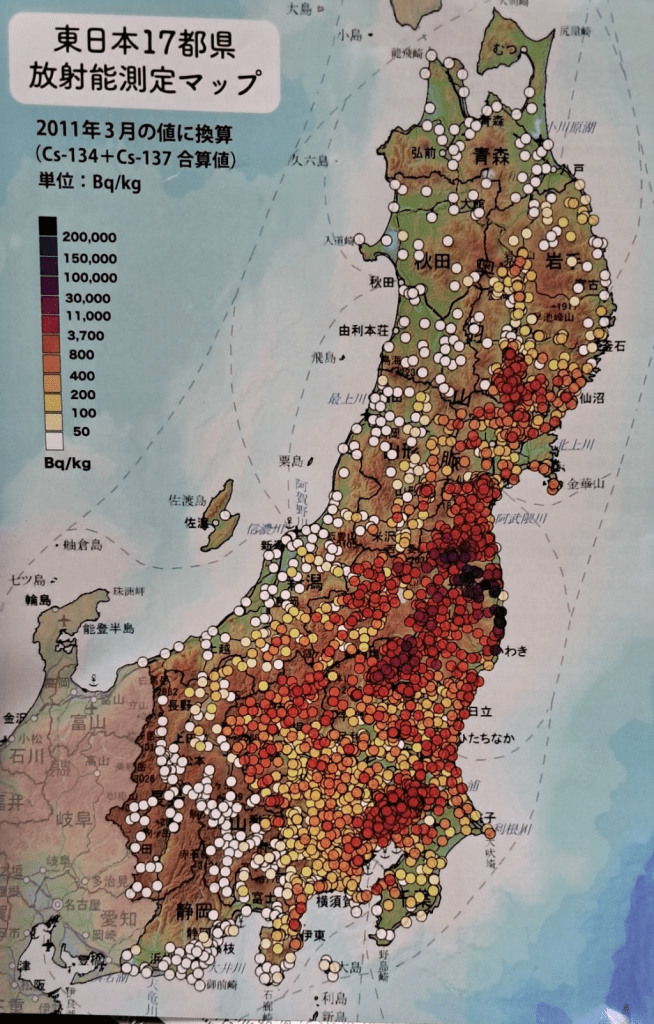
36. Radioactivity measurement data from March 2011.

37. With Nishi-san (far right) and his party, who will host the rally at Okayama Station tomorrow. This place is a Korean restaurant and shop run by a second-generation Korean-Japanese couple. Along with a bowl of samgyetang, I was also given a plate of fresh garlic as a gift from this couple.
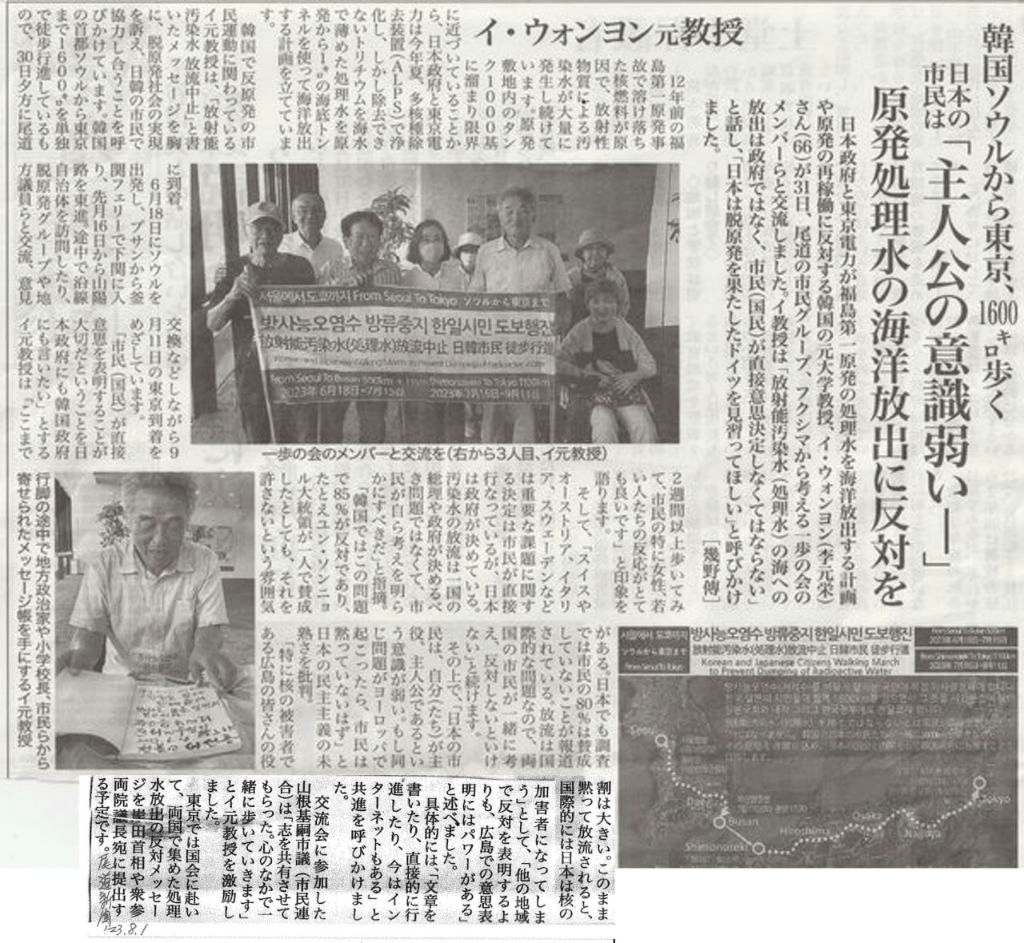
38. Looking at his Facebook page, Kuwano-san posted an Onomichi newspapter report with an article interviewing me a few days ago. reported in great detail.
Categories: Korean-Japanese citizen walking march
 New Silk Road for Life and No-Nukes
Leave a comment