
0. I have been walking towards the east of Hiroshima since yesterday. It’s a road I’ve never been to, so I’m a little nervous. It is a course that goes up the hill all the way in the morning. I’m worried about carrying my heavy luggage in this hot weather, but I can’t help it.

1. Departure from Seno Station alone at 7:00 in the morning.
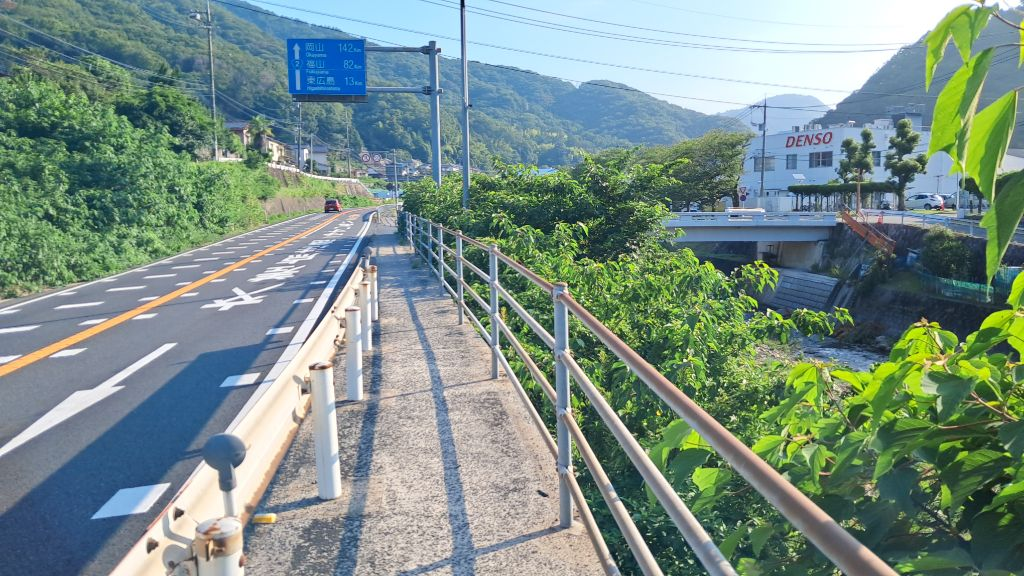
2. Walk about 5 kilometers non-stop.
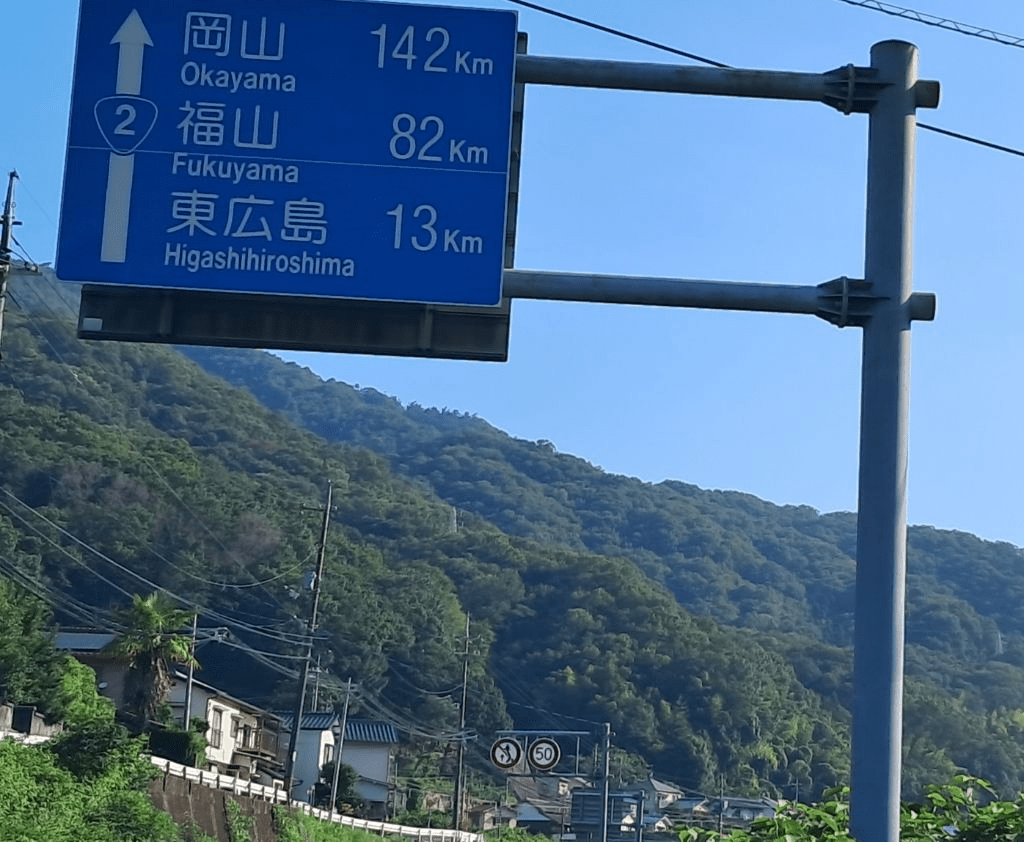
3. 142 km to Okayama.
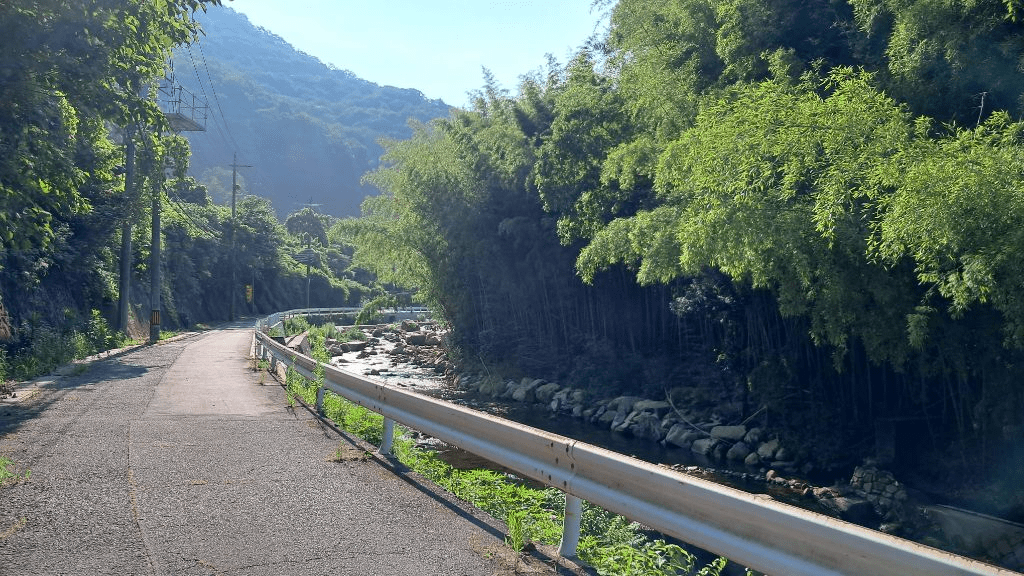
4. Valley Road
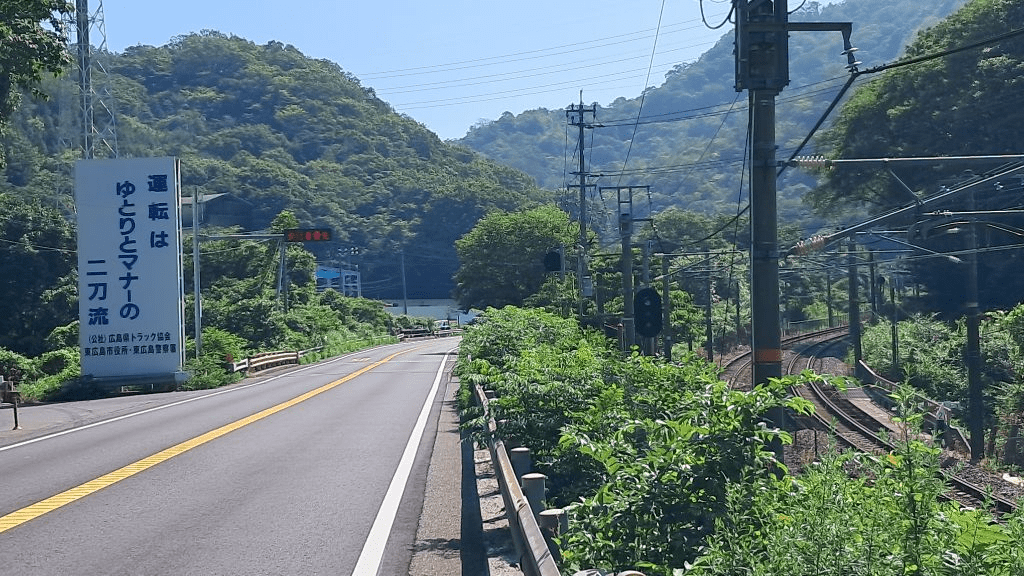
5.

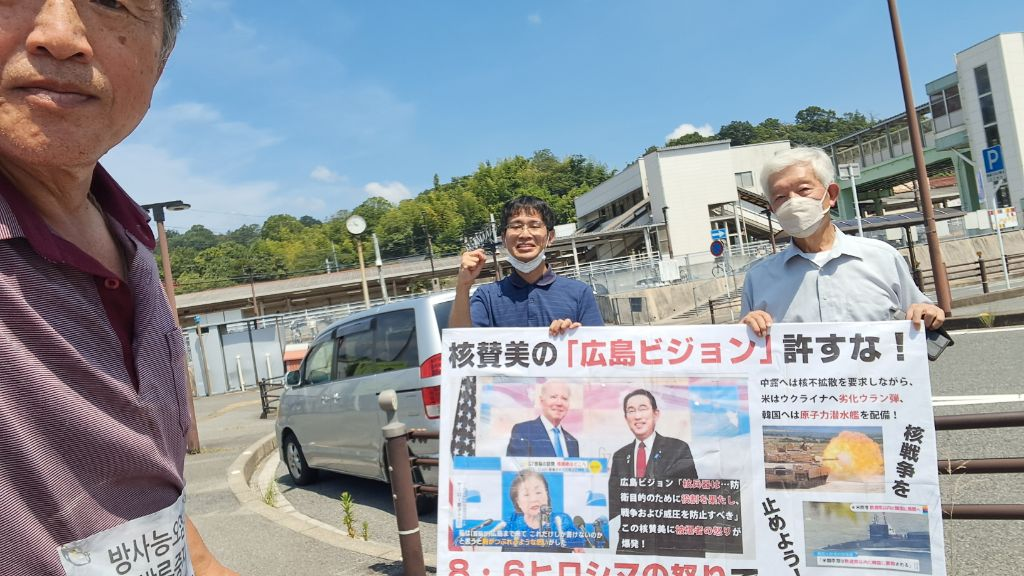
6. Arrive at Hachihonmatsu Station around 10:30. Nagashima-san and his party greet me.
7.

8. Two local residents heard about my arrival and came out to cheer me on.

9. As a second-generation atomic bomb victim, Nagashima-san has been engaged in anti-nuclear activities for a long time.

10.
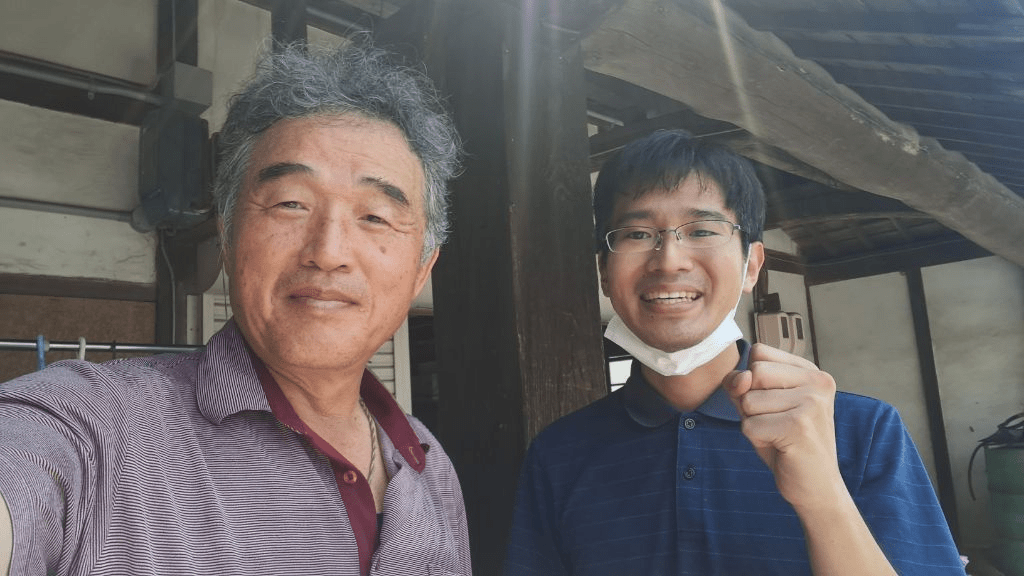
11. Hirotaka-san, his young colleague at Hiroshima University.

12. Thanks to the hospitality of Mr. and Mrs. Nagashima, I was able to relax comfortably at his house.

12. After taking a break, he guides me around the atomic bomb exposure data center in Higashihiroshima City.
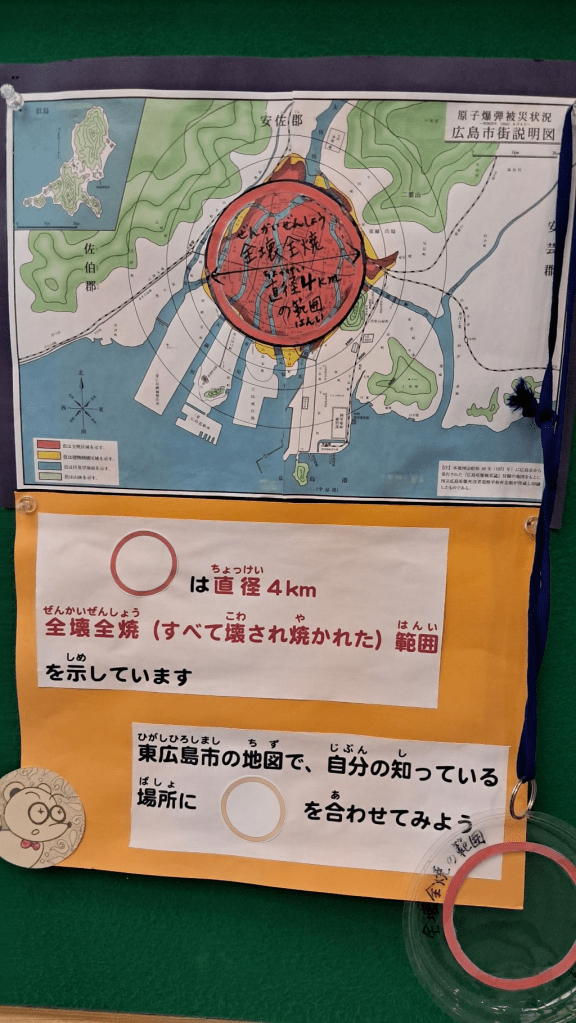
13. Realistically depicting the area that was completely burned down during the atomic bombing.

14. This is a notice written in English about the atomic bombing event to be held on August 6, in which Nagashima-san is involved.
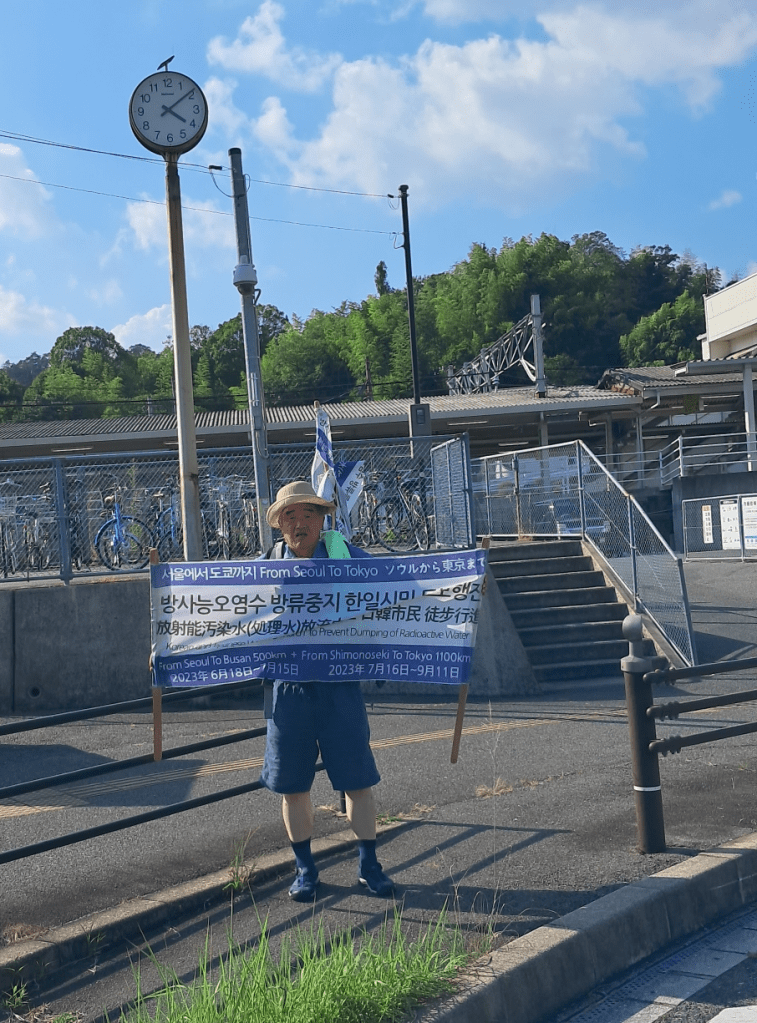
15. It’s four o’clock in the afternoon.

16. With the sun still hot, I start the afternoon march. Nagashima-san sees me off.
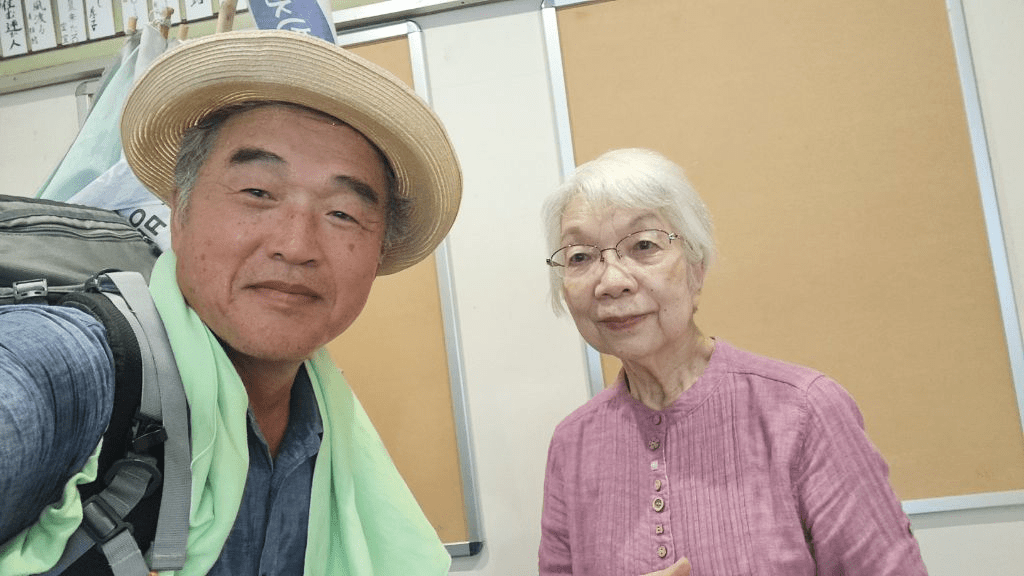
17. By the way, Agari Keiko-san, who was waiting on the corner, handed me information on radioactive tritium. with donations.

18. These are the materials I got from Agari-san and I took a close look at them at my lodgings. She is an expert in this field. And among them, ‘an explanation of the molecular formula model that shows why tritium is dangerous’. When I receive this data as a file, I will also share it with people interested in Korea. Come to think of it, the Japanese government itself admits that ALPS cannot prevent the danger of tritium. That’s why Dr. Masashi Goto insisted four years ago to reduce the radiation dose to 1/1052 by storing it in a tank for 123 years. In addition, it is his argument, who designed the containment vessel at Toshiba Heavy Industries, that it does not cost much to do so. The Japanese government cannot beat Goto Masashi. Furthermore, Dr. Hiroshi Makita, who visited Korea with him four years ago, argued that since it had already been proven that there were many radionuclides besides tritium that ALPS could not treat, the Japanese government should give up sea discharge. The Japanese government cannot win against even an ordinary person like me who has common sense.
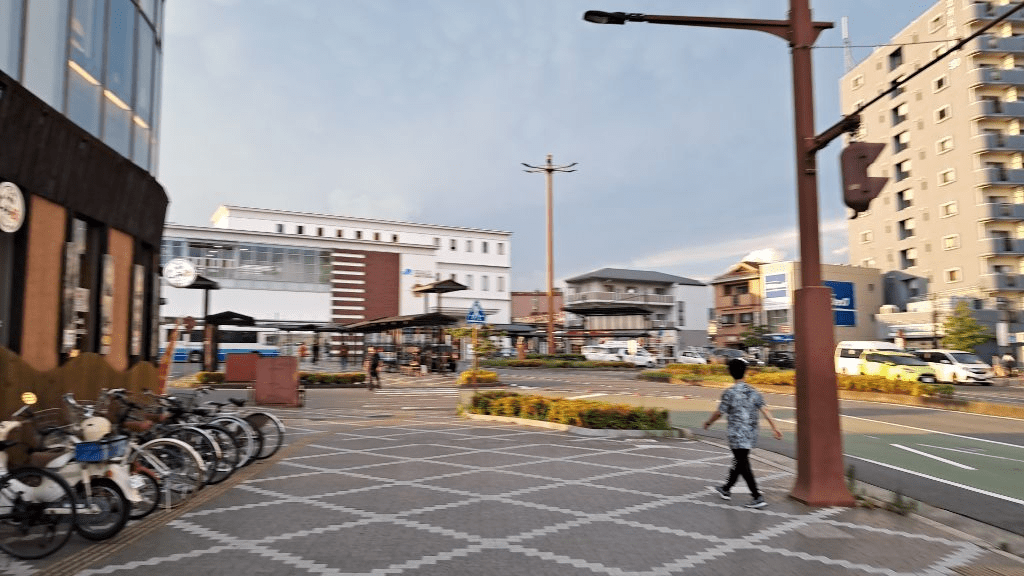
19. Passing by Saijo Station. After 6 p.m., the weather cools down and steps speed up.

20. This neighborhood seems to have traditional brewing techniques.
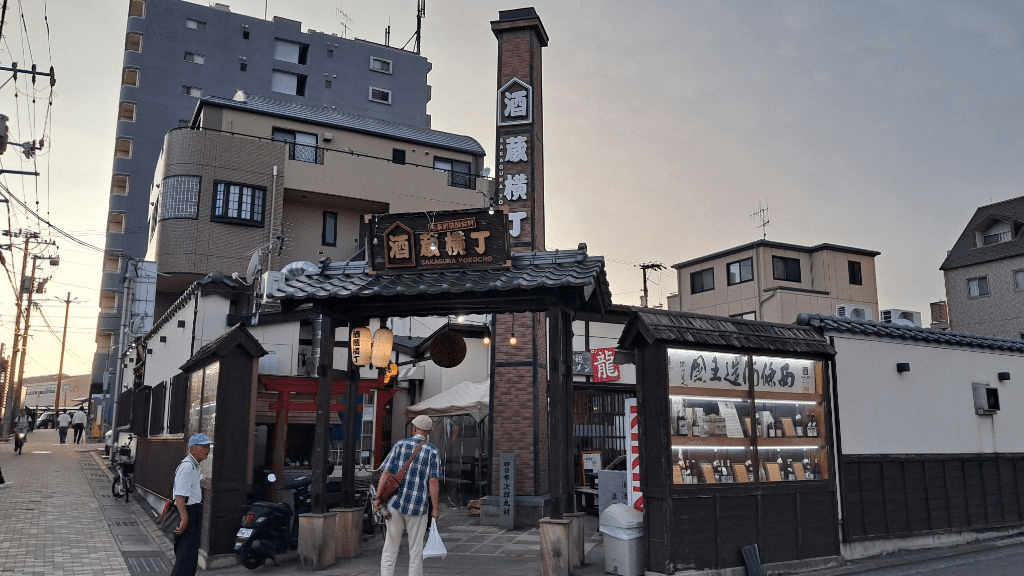
21.
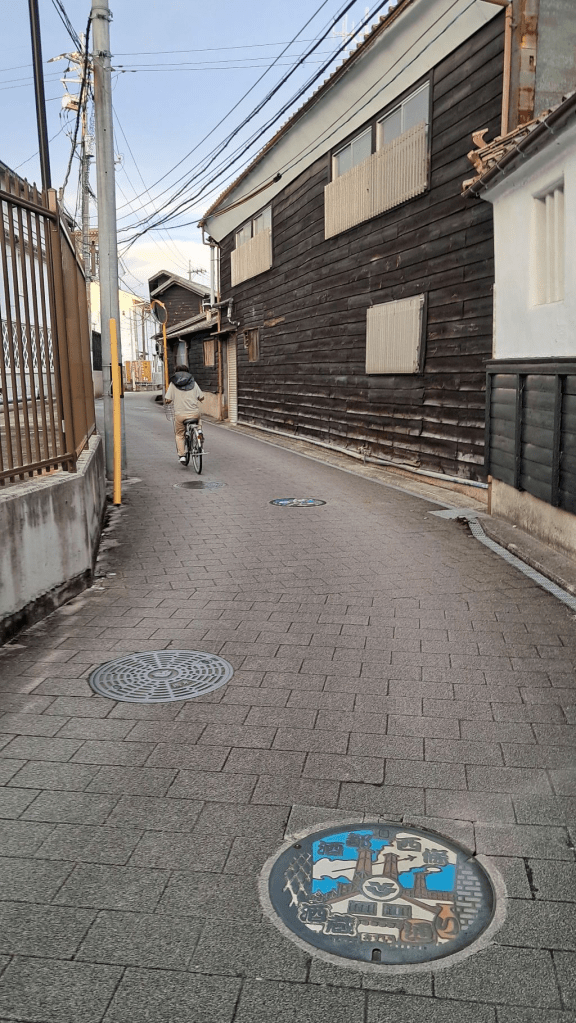
22. The atmosphere in this neighborhood seems plausible.
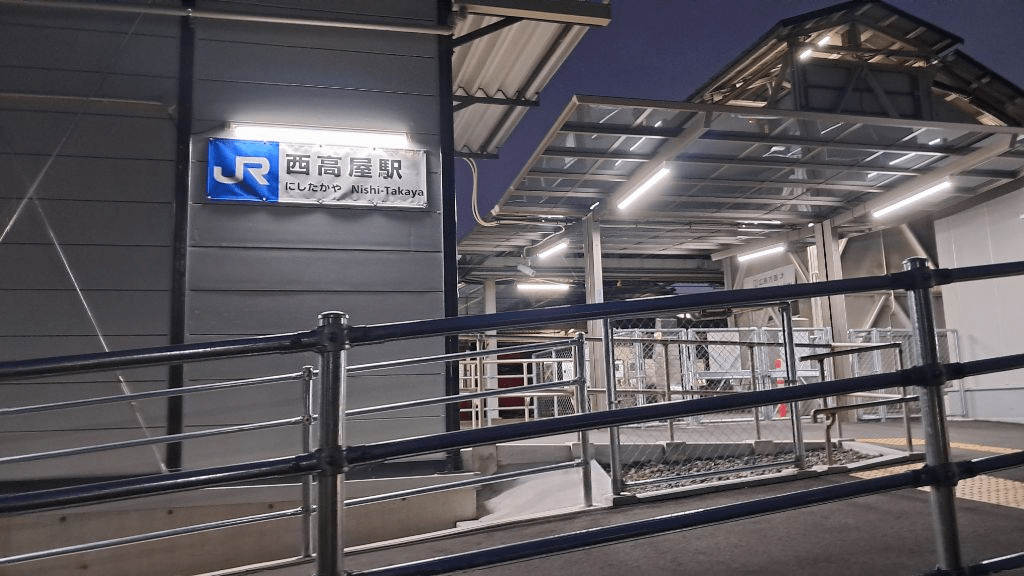
23. Arrived at Nishi-Takaya Station around 7:40 in the evening when it was dark.

24. It was a day of walking through the scorching heat with a daytime temperature of over 33 degrees.
Categories: Korean-Japanese citizen walking march
 New Silk Road for Life and No-Nukes
Leave a comment