
0. Today’s picture is Nakagawa-san and Yamashita-san who walked together along the shore of Hiroshima Bay.

1. Commemorative photo when leaving Nakagawa’s house early in the morning. I received a warm welcome.

2. Take a commemorative selfie.
Mr. Nakagawa is also a member of the Yanai City Council and leader of a group in the area that opposes the construction of the Kaminoseki nuclear power plant.

3. The sea seen over the train window on the way to Kawanishi Station, the departure point.

4. Today’s starting point is Kawanishi Station, which can be seen after exiting the tunnel from Kinmeiji Station, the previous day’s destination. When we arrived, several people were already gathered. Three of these came to encourage us.

5.

6.
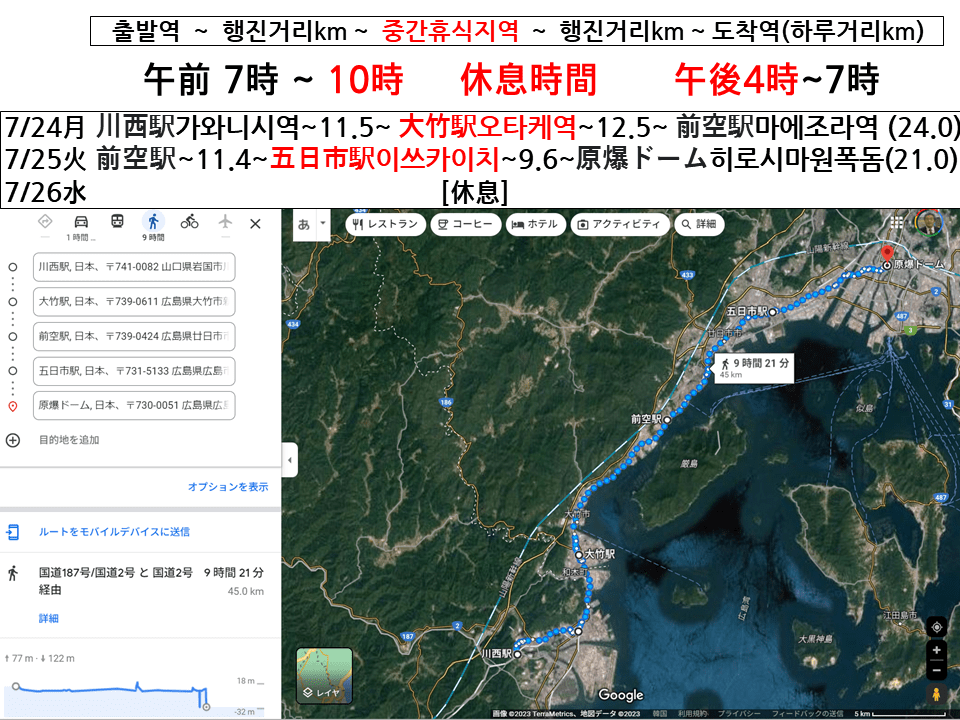
7. A day of walking along Hiroshima Bay in the morning and afternoon.
8. Shortly after we started walking, we came across an arched wooden bridge. Looking at this bridge reminds me of the long mountain road that I took a roundabout the tunnel six years ago.

9. Back then, the purpose was a pilgrimage. As long as safety was guaranteed, I walked on a slightly rough road. You can see this bridge in my diary when I walked the course.
https://m.cafe.daum.net/earthlifesilkroad/iZgh/43?svc=cafeapp
The original course scheduled was going through a long tunnel, so I chan
m.cafe.daum.net
10. It doesn’t have to be the same as the pilgrimage course because the purpose is marching now. The priority of the march is to communicate with the citizens.
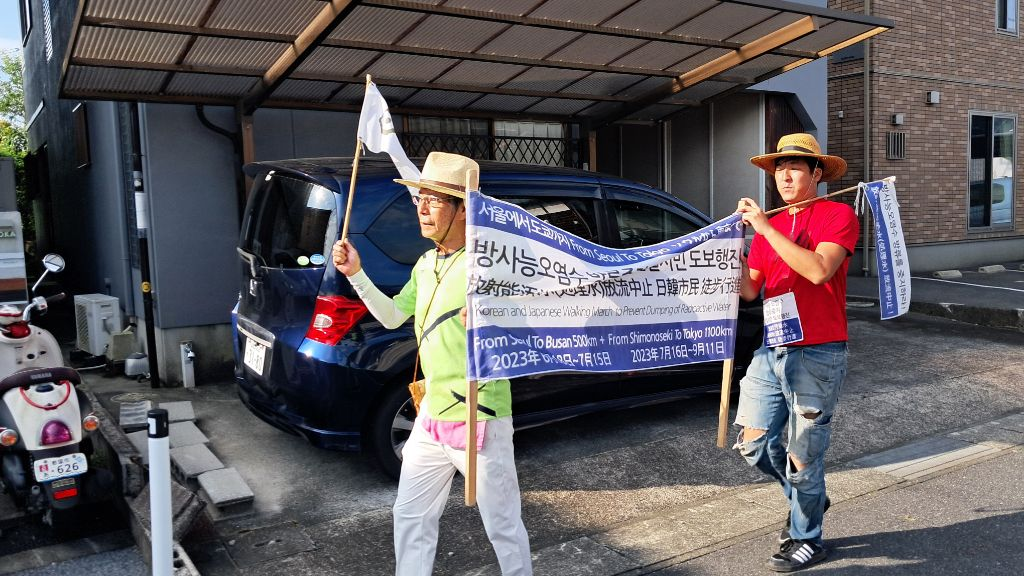
11. Mr. Nakagawa and Mr. Yamashita greet people they meet while walking around the village.
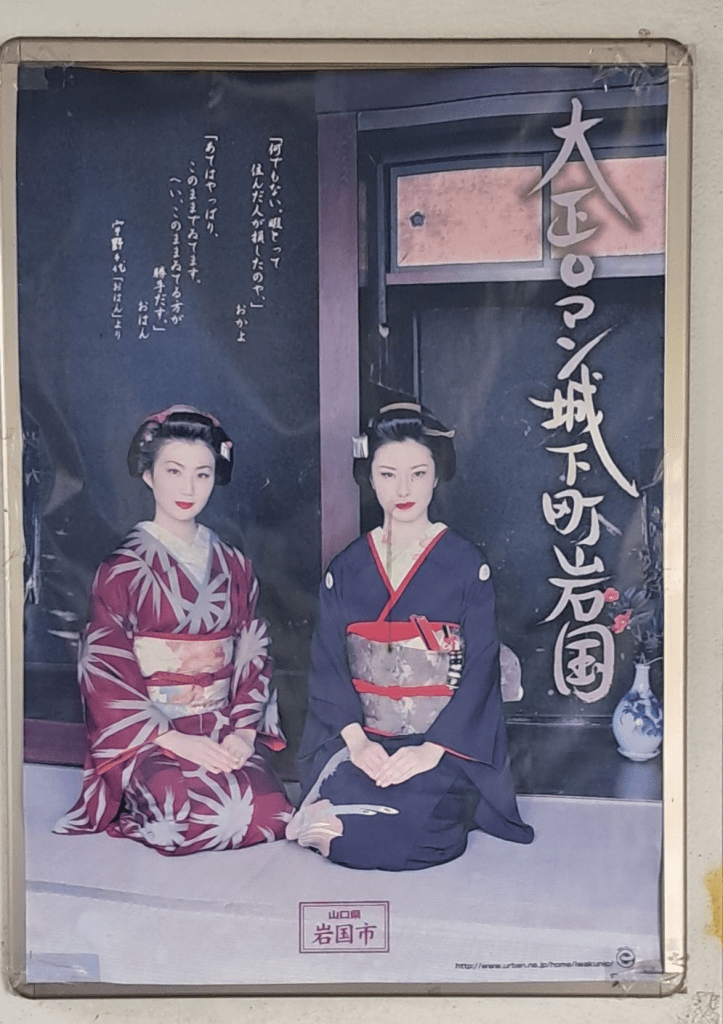
12. When we arrived at Nishi-Iwakuni Station, I saw that photo I saw 6 years ago again. Nice photo.

13. A picture of town development in this area is also hung.
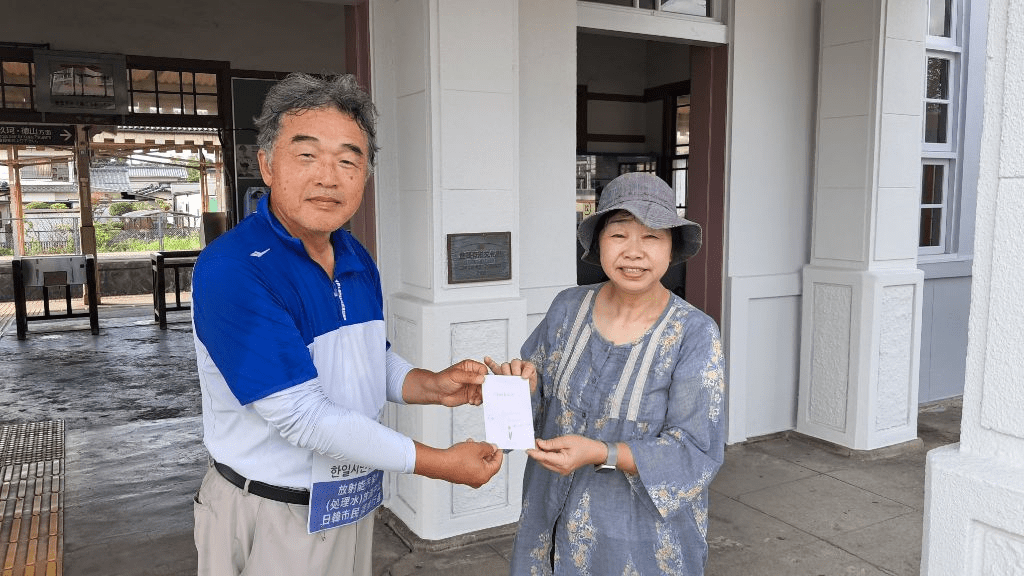
14. Mr. Himeno, who lives in this area, donates a envelope with money.

15.
“Don’t dump contaminated water!!
I wish our leader Lee good health throughout his hard work.
Takashi Nakagawa
2023. 07.24. from Iwanami”

16. Yamashita Yuki-san, who lives in Ube City, is a young man in his 30s. To participate in this pilgrimage, he woke up at 3 am and ran for two and a half hours all the way here. I asked him for a message thinking that he has a precious mindset.
“Wishing that the sea will still be beautiful even after 100 years.
Yamashita Yuki
2023. 7.24.”
What a great message!
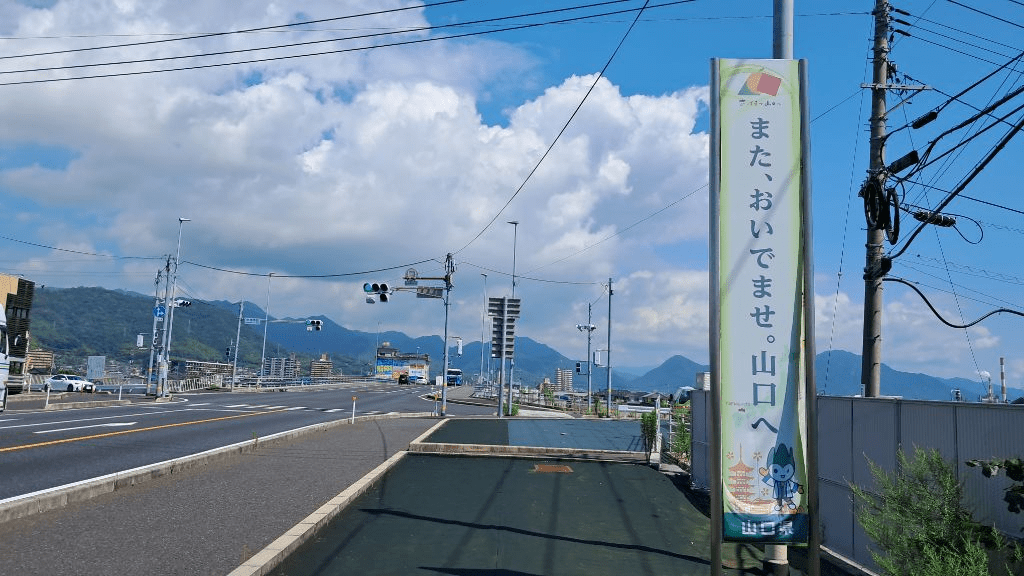
17. Leave Yamaguchi.

18. On a bridge overlooking the sea.
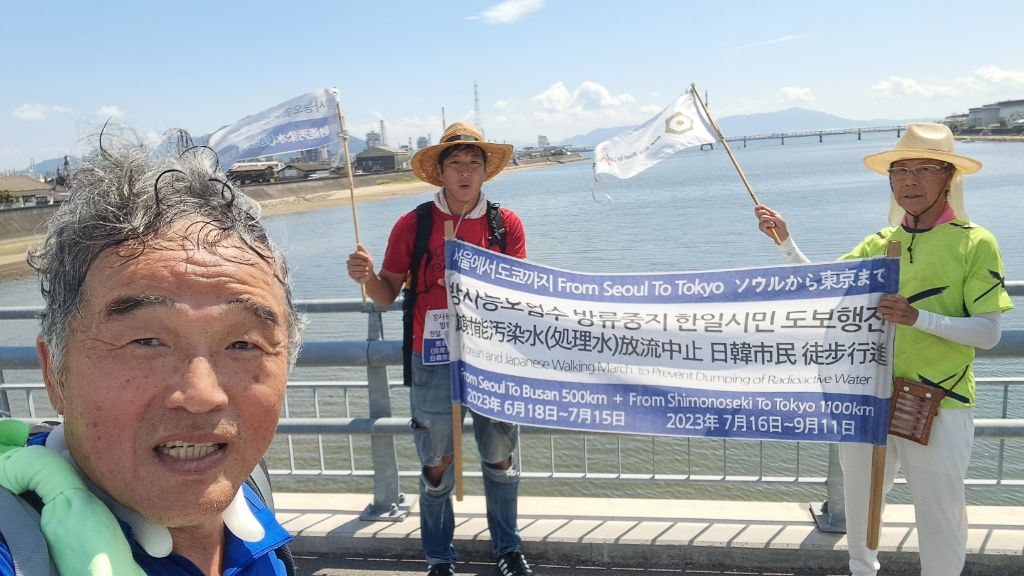
19. Take a commemorative selfie.
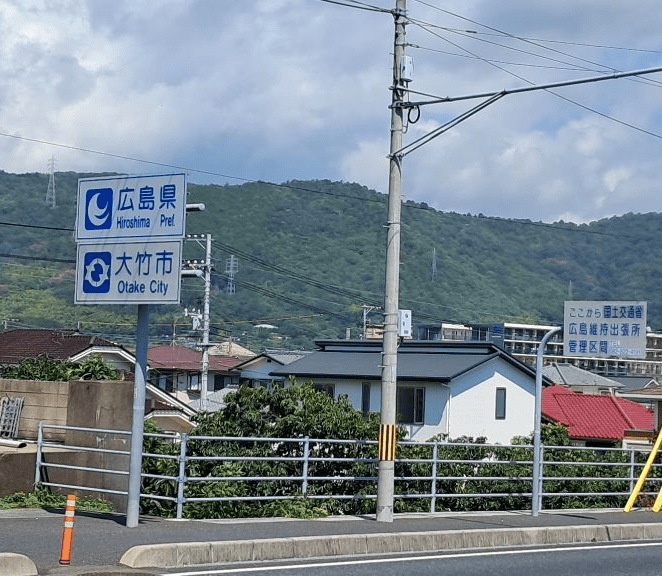
20. Enter Hiroshima.

21. Arrive at Otake Station, our destination in the morning.

22.

23. Tatsuya Yamagami, a journalist from the Nikkan Shunan Newspaper, came to visit me with a newspaper during the daytime break.
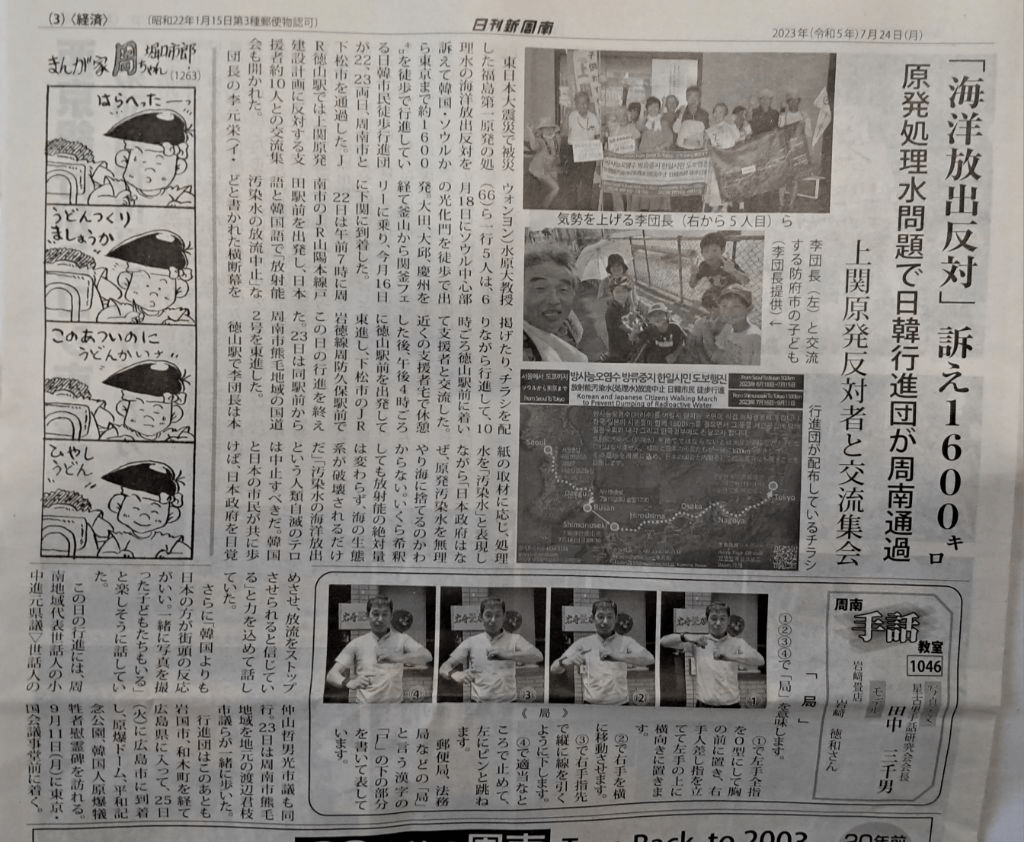
24. It came out big in the newspaper. Comrades in Korea are also delighted. (Article content)
1600 kilometers while appealing against ocean release
A Korean-Japanese marching group passes through Shunan due to the problem of treated water at the nuclear power plant.
Exchange meeting with opponents of Kaminoseki nuclear power plant
picture 1. Team leader Lee (third from the right) gaining momentum
2. Children of Hohu City interacting with Director Lee (left) (provided by Director Lee)
Calling for opposition to ocean discharge of treated water from the Fukushima Daiichi Nuclear Power Plant, which was devastated by the Great East Japan Earthquake. On the 22nd and 23rd, a walking march of Japanese and Korean citizens, marching about 1,600 kilometers from Seoul to Tokyo, passed through the cities of Shunan and Kudamatsu. A meeting was also held at JR Tokuyama Station with about 10 supporters opposing the Kaminoseki Nuclear Power Plant construction plan. On June 18th, the group of 5 led by Professor Lee Won-yeong (Lee Won-yeong) of Suwon University (66) departed on foot from Gwanghwamun, the center of Seoul. After passing through Daejeon, Daegu, and Gyeongju, He took the Gwanbu Ferry from Busan and arrived in Shimonoseki on the 16th of this month. On the 22nd, they departed from Heta Station on the JR Sanyo Main Line in Shunan City at 7:00 a.m. and marched while distributing leaflets or displaying “Stop the release of radioactively contaminated water” in Japanese and Korean, and arrived in front of Tokuyama Station around 10:00. and interacted with the participants. After resting at the nearby participant’s house, they departed from Tokuyama Station at around 4:00 pm and headed east, ending the day’s march in front of Suhogubo Station on the JR Kantoku Line in Kudamatsu City. On the 23rd, they left in front of the same station and headed east on Route 2 in the Kumage area of Shunan City. At Tokuyama Station, in response to this magazine’s interview, Director Lee described treated water as “contaminated water” and said, “I don’t know why the Japanese government forcibly dumps contaminated water from nuclear power plants into the sea. No matter how diluted it is, the absolute amount of radioactivity does not change and the ecosystem of the sea is destroyed. I believe that if the citizens of Korea and Japan walk together, we can awaken the Japanese government and stop the release.” And “The street response in Japan is better than in Korea. Some of the children took pictures with us,” he said happily. The march was accompanied by Susumu Konaka, secretary of the Shunan region, and former prefectural assembly member Tetsuo Nakayama, secretary of the city council Hikari Nakayama. On the 23rd, members of the city council walked together in Kimie Watanabe, which is located in the Kumage area of Shunan City. After this, the marching group enters Hiroshima Prefecture via Iwakuni City and Waki Town, and arrives in Hiroshima City on the 25th (Tuesday) to visit the Atomic Bomb Dome, Peace Memorial Park, and the Korean Atomic Bomb Victims Memorial. It arrives in front of the Tokyo Diet Building on Monday, September 11th.
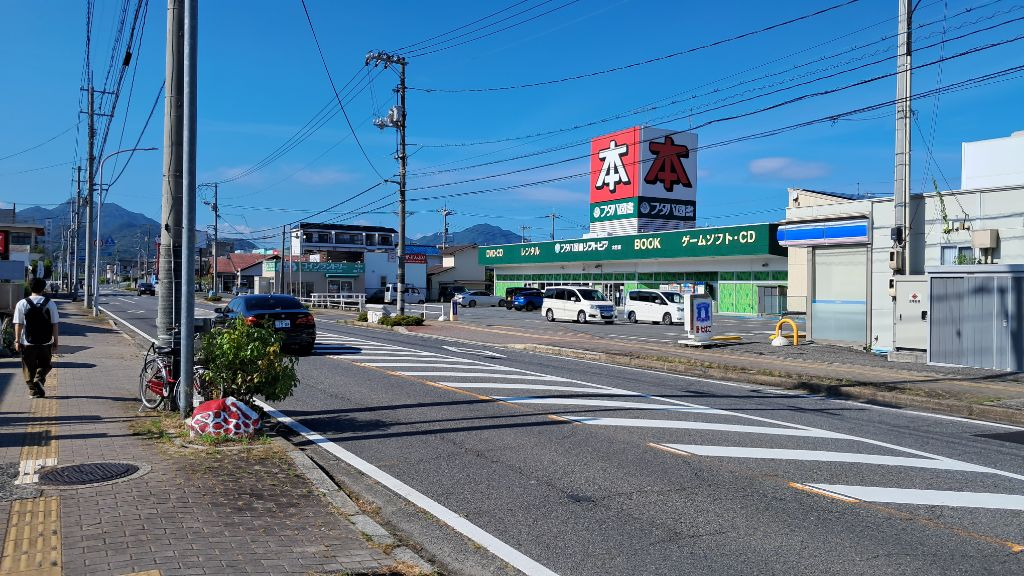
25. Otake City is not a big city, but I can see big bookstores.

26. The two of them walk together in the afternoon.
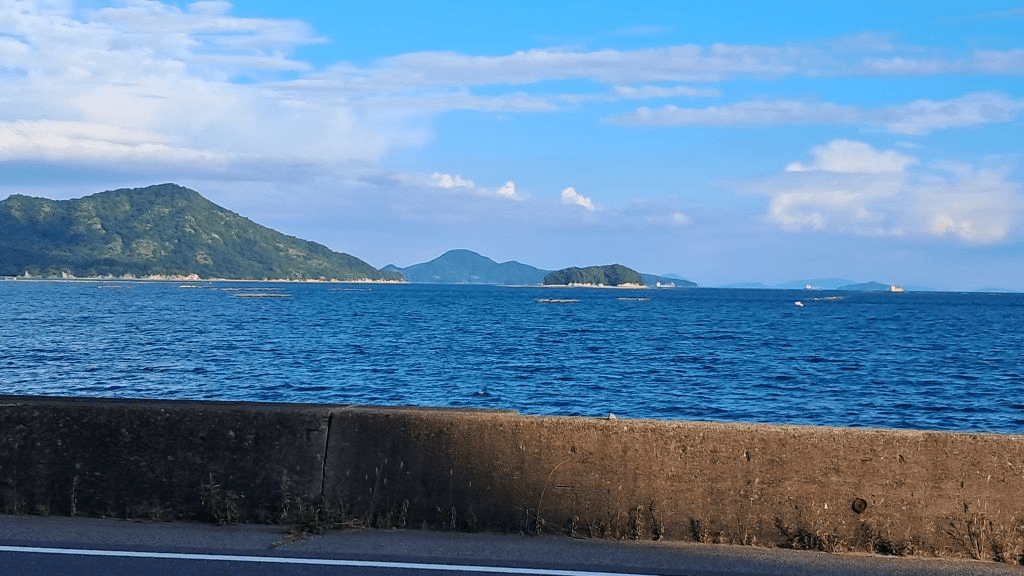
27.

28. Pose against a beautiful ocean backdrop.

29.

30. While crossing a footbridge.

31. Arrive at Maezora Station around 7:20 in the evening. It was a long distance of more than 24 kilometers in the morning and afternoon combined. I would like to express my gratitude to the two of them who overcame the intense heat and completed the race. The person on the right is Mr. Mizota.

32. He made a work by engraving marching photos and marching maps on placards. Mr. Mizota also prepared a lodging for us and bought us a bounty dinner.

33. A selfie to end the day.
Categories: Korean-Japanese citizen walking march
 New Silk Road for Life and No-Nukes
Leave a comment