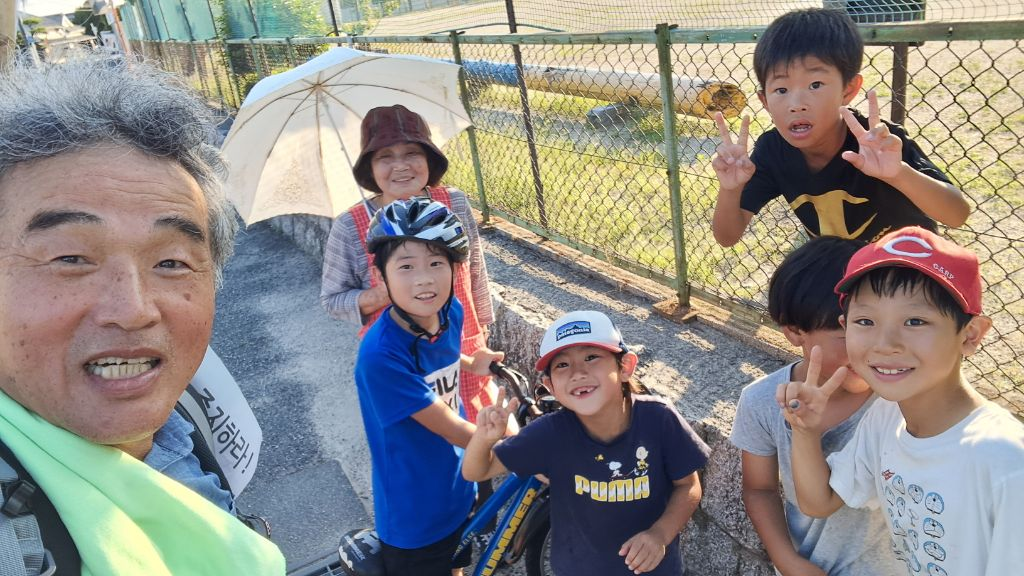
0. Today’s photo is also an encounter with children.
1. Mr. Ando saw me off early in the morning for five consecutive days.
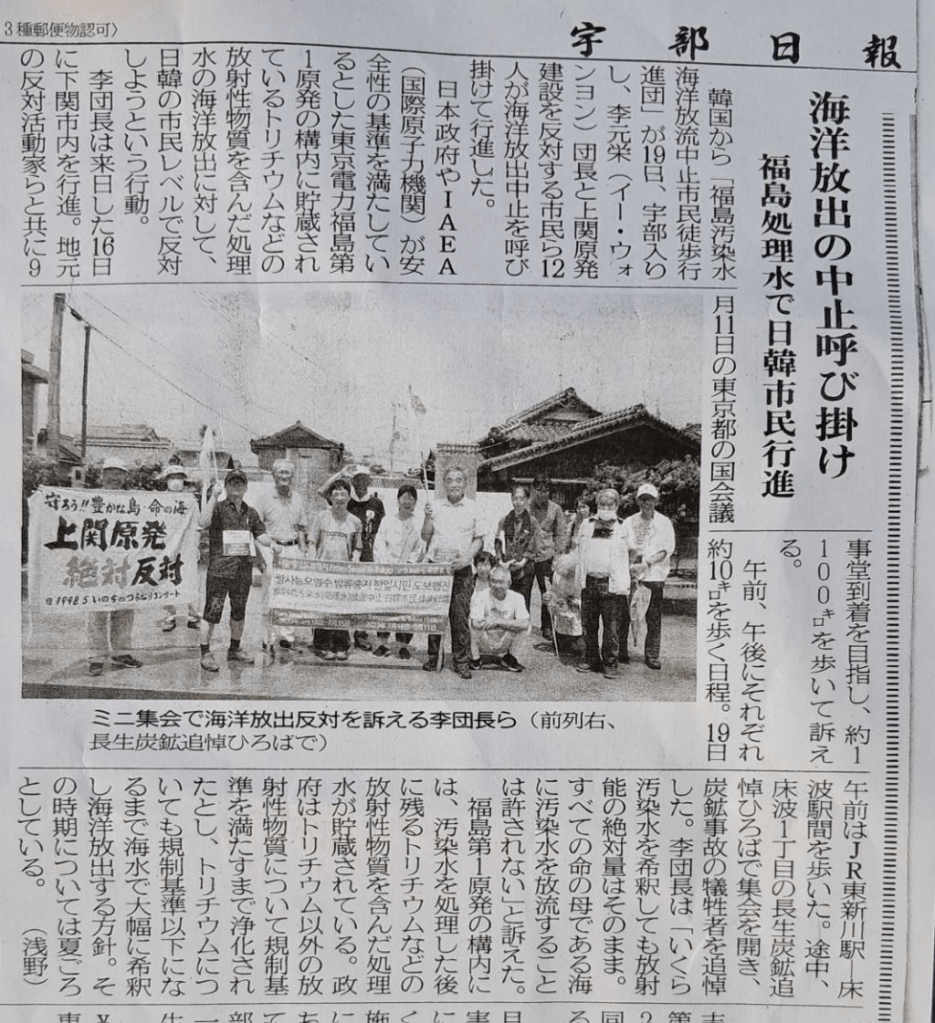
2. Copied the article from Ube Nippo and emphasizes that “this photo in the newspaper is in color.” Thank you~
I hope that someone will translate the contents of the newspaper article for me.
Appeal to stop ocean dumping
Korean and Japanese citizens march against Fukushima treated water
After the South Korean marching team to stop the ocean discharge of contaminated water from Fukushima entered Ube on the 19th, a total of 12 people, including director Lee Won-young and local citizens opposing the Kaminosaki Nuclear Power Plant project, marched to urge an end to ocean discharge.
An action by Korean and Japanese citizens to oppose the discharge of treated water containing radioactive materials such as tritium stored in the premises of the TEPCO Fukushima Daiichi Nuclear Power Plant, which the Japanese government or the International Atomic Energy Agency (IAEA) has declared to meet safety standards, into the ocean.
On the 16th, when Lee arrived in Japan, he marched through Shimonoseki. He plans to appeal through the process of walking about 1100 km with local opposition activists, aiming to arrive at the Tokyo Metropolitan Diet Building on September 11th.
They schedule to walk about 10 km each in the morning and afternoon. On the morning of the 19th, they walked between JR Higashi-Shinkawa Station and Tokonami Station. On the way, they held a rally at Josei Coal Mine Memorial Hiroba in Tokonami 1-chome to commemorate the victims of the coal mine accident. Lee claims. No matter how diluted the contaminated water is, the absolute amount of radioactivity remains the same. Lee appealed that it was unacceptable to discharge contaminated water into the sea, the mother of all life.
On the premises of the Fukushima Daiichi Nuclear Power Plant, treated water containing radioactive substances such as tritium, which remains after treating contaminated water, is stored. The government says that radioactive substances other than tritium have been purified until regulatory standards are met, and tritium is also heavily diluted with seawater until it falls below regulatory standards before being discharged into the ocean. That time is believed to be around this summer.
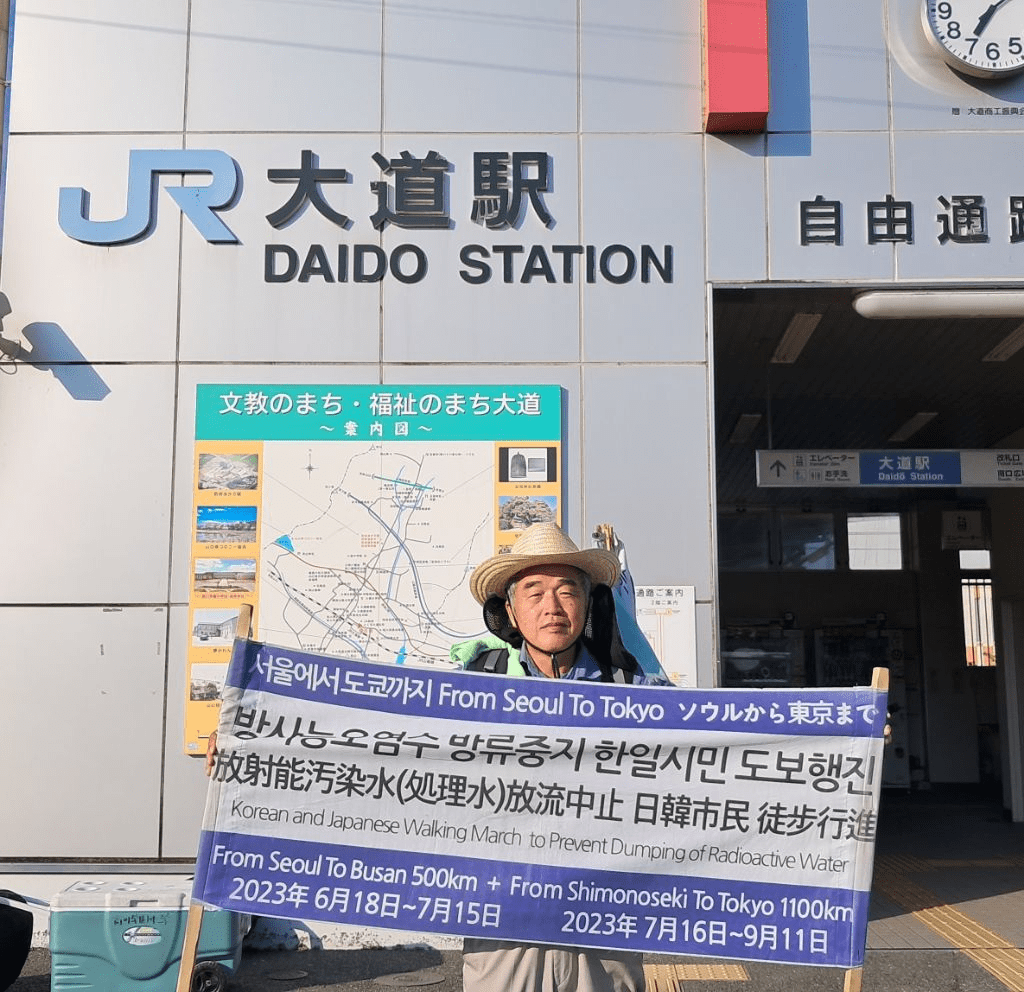
3. I am alone in this morning departure.
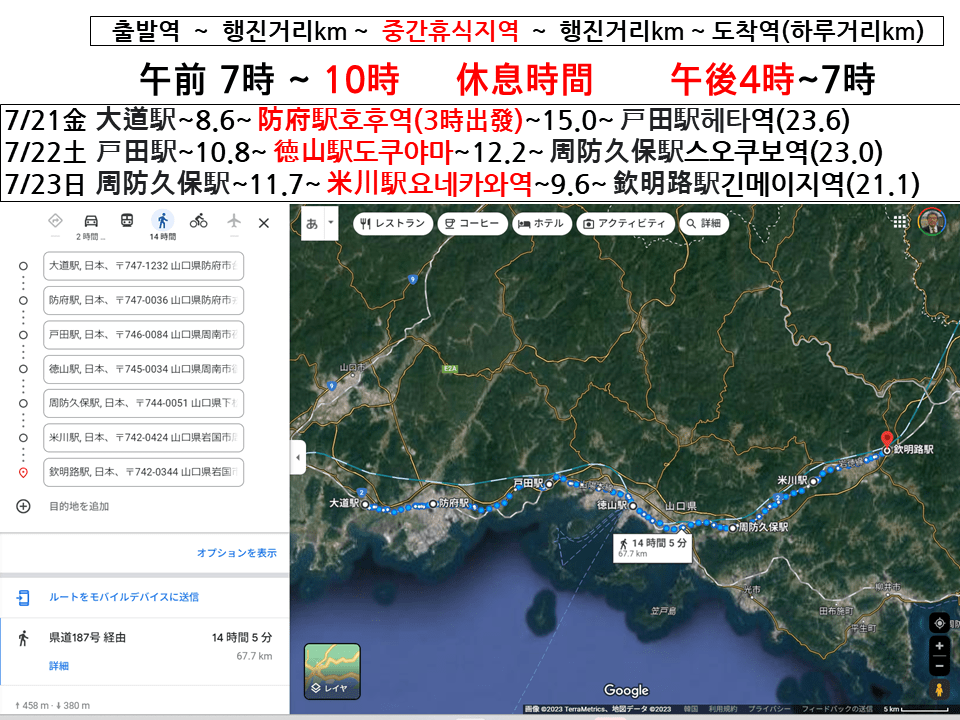
4. Shorter distances in the morning, longer distances in the afternoon.
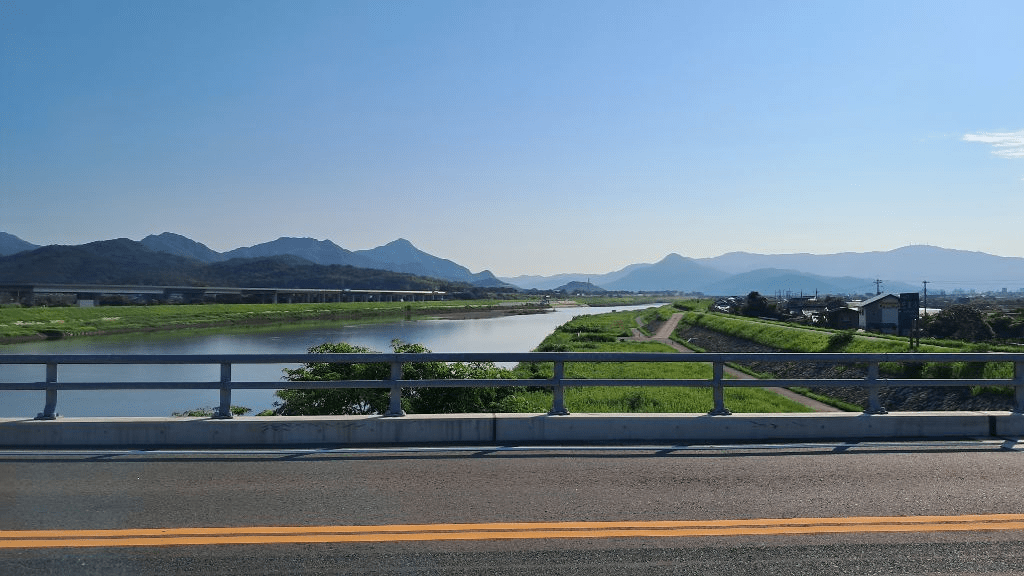
5. It’s a scenic course.
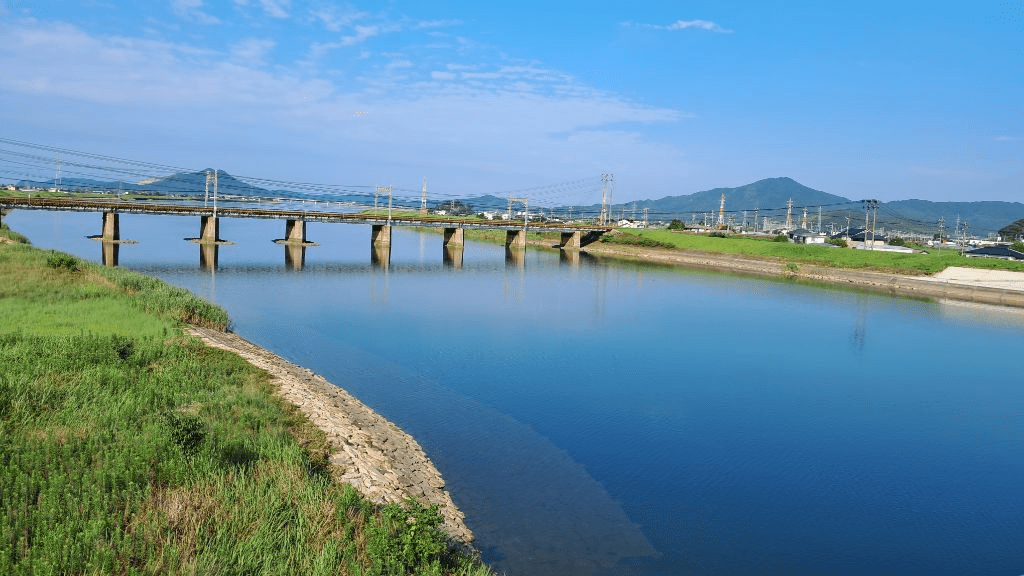
6.
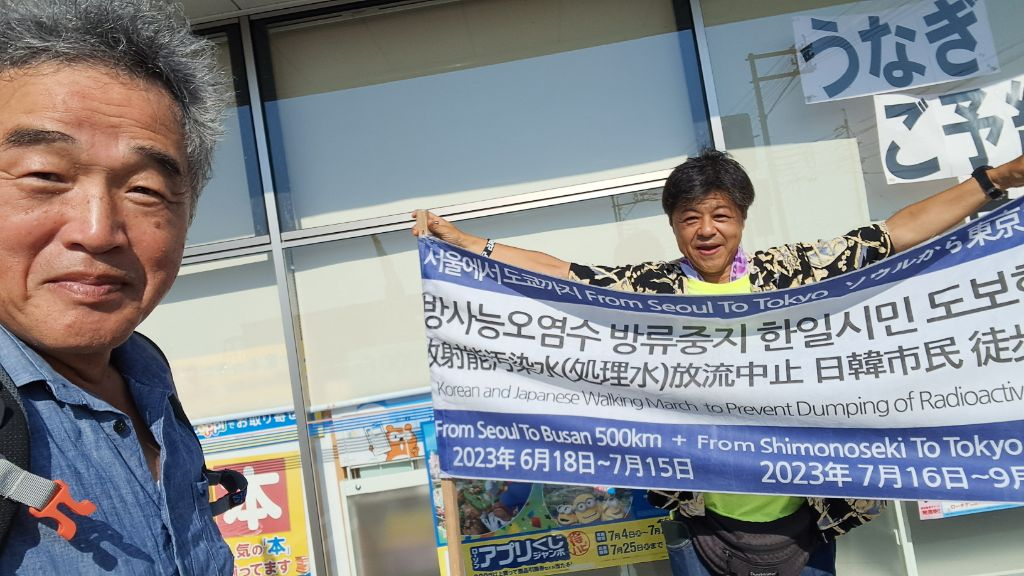
7. a Southeast Asian is happy to see Hangul and English on the placards while I was drinking iced coffee outside the convenience store. He said he also has visited Haeundae, South Korea before.
A happy selfie.
Thinking about it while parting with him, it will be important for Japan to cooperate with countries that are close to Japan.
I think we have to make good use of Life No Nukes Silk Road English Homepage, liferoad.org. I will also Introduce this URL to all foreigners I meet. When I looked it up, Secretary General Lee Seung-eun already added English subtitles to the previous KBS news report.
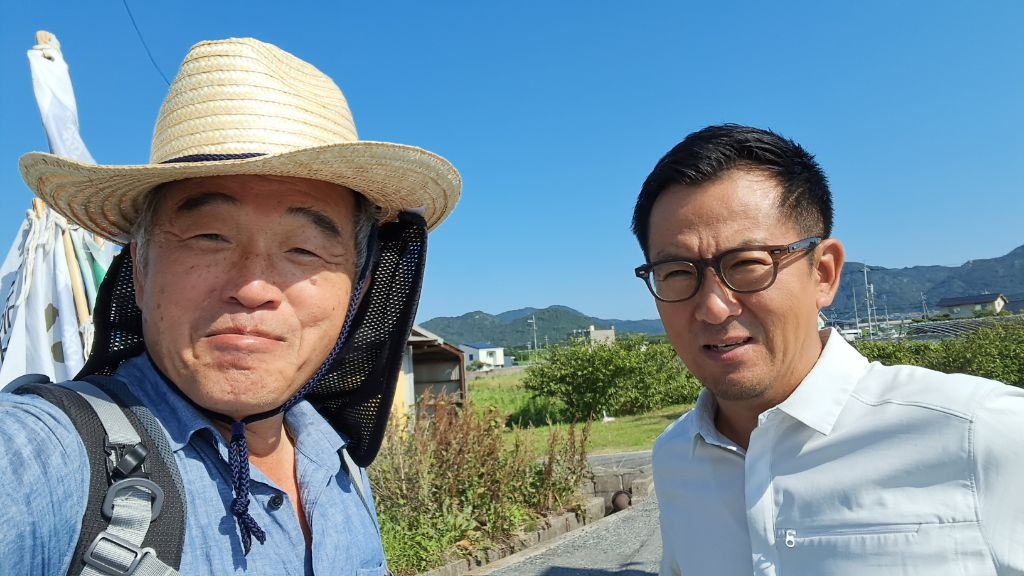
8. With a townsman who admires this march.
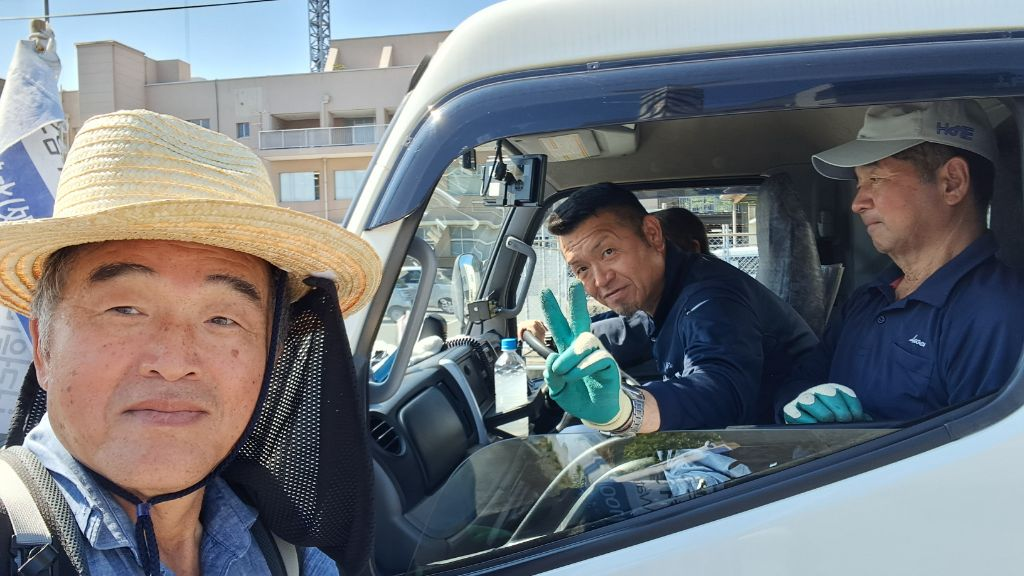
9. A passenger giving a thumbs up from a freight car (driver – South Korea is left-hand drive).

10. Most roofs have solar panels.
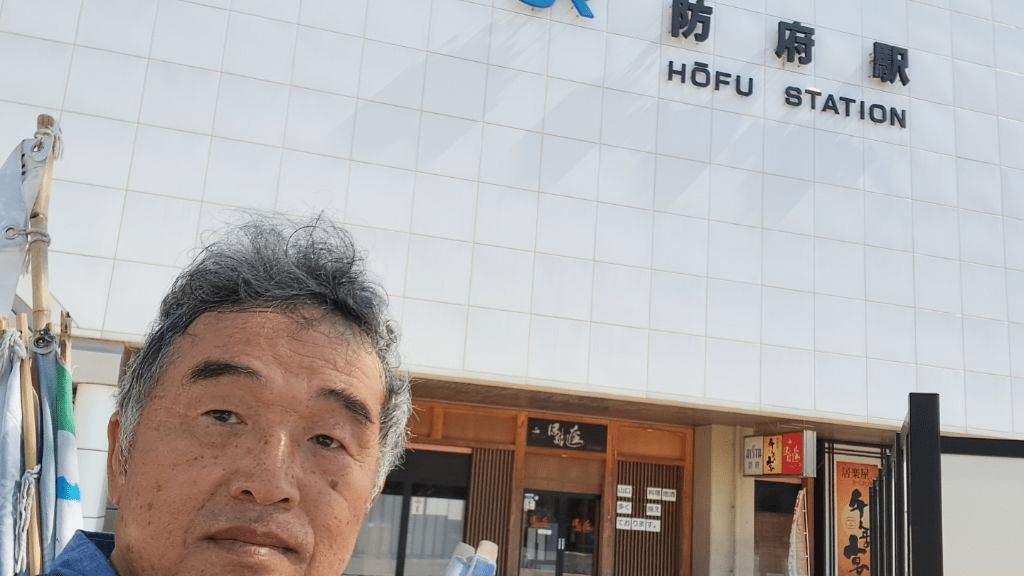
11. I arrived at Hofu Station at 9:30 am. There are more than two hours until the appointed time for lunch.
12. I sat down in the waiting room and completed the march plan to Osaka that I had considered so far. The traveler does not rest on the road.
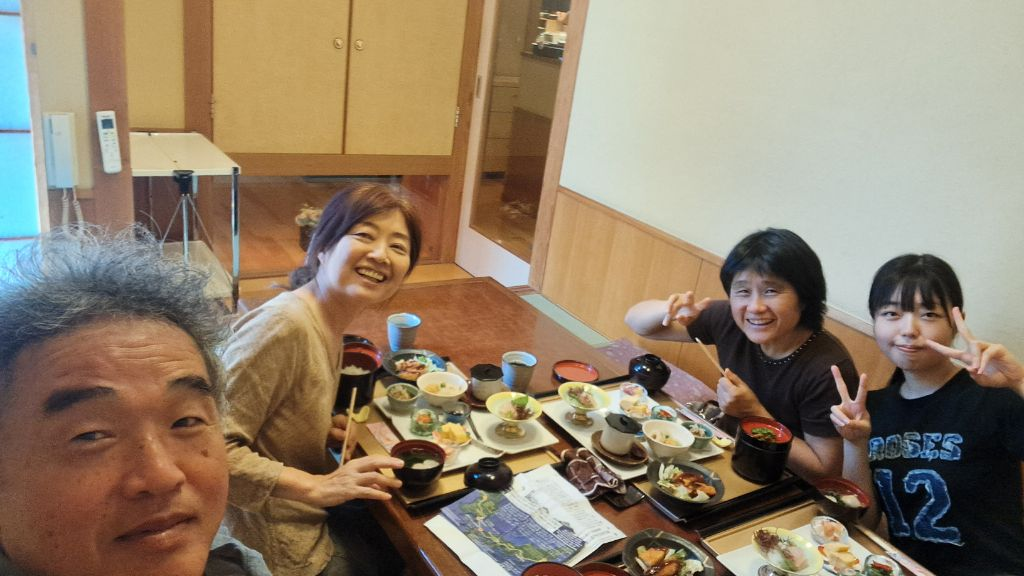
13. Seiki Keiko invited me to lunch. second from right.
Seiki also welcomed me six years ago.
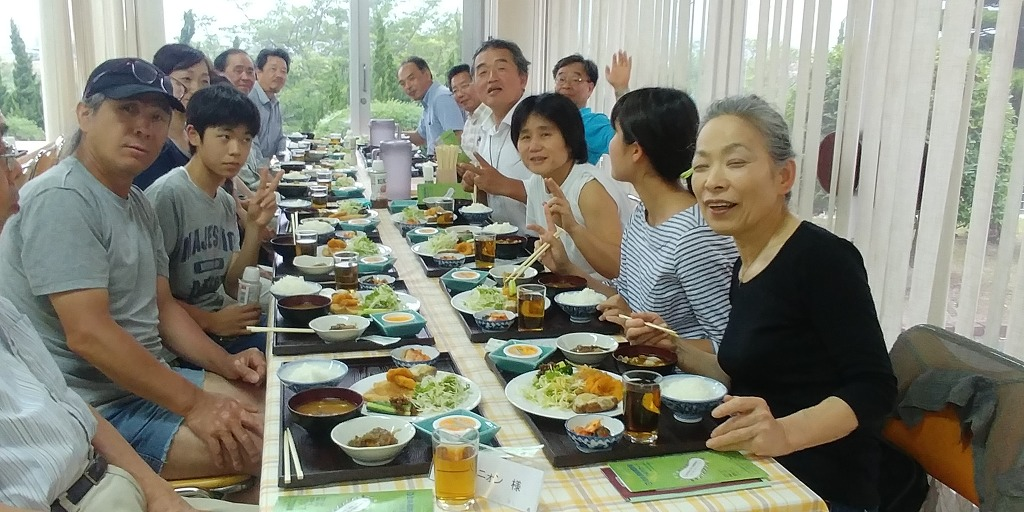
13-1. A welcome photo of Seiki (beside the author) at the time of the pilgrimage six years ago.
[39] 2017-06-10 Fukugawa Station ~ Hofu Station
https://m.cafe.daum.net/earthlifesilkroad/iZgh/46?svc=cafeapp
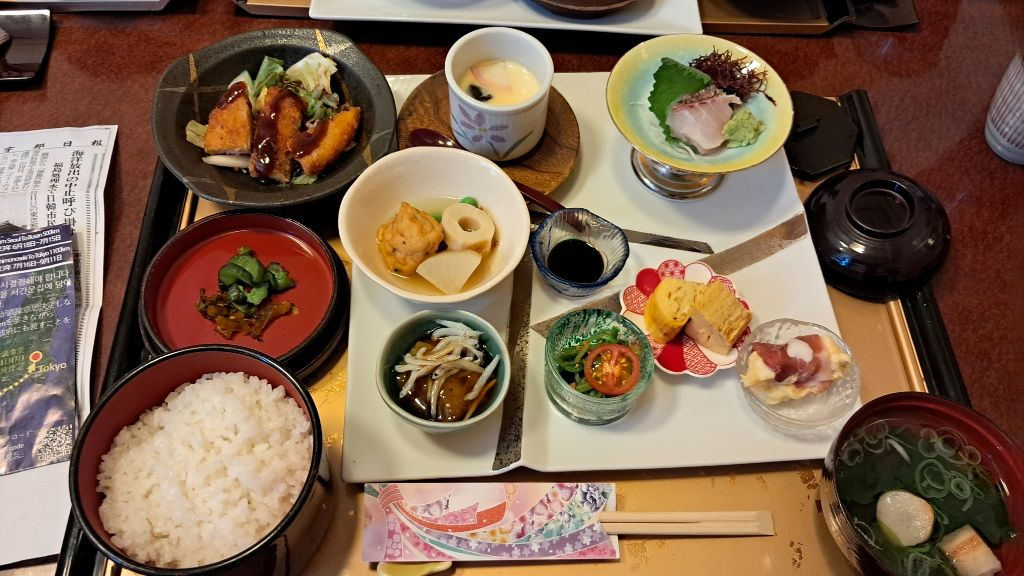
14. It is a traditional Japanese food. Sight and taste harmonize.
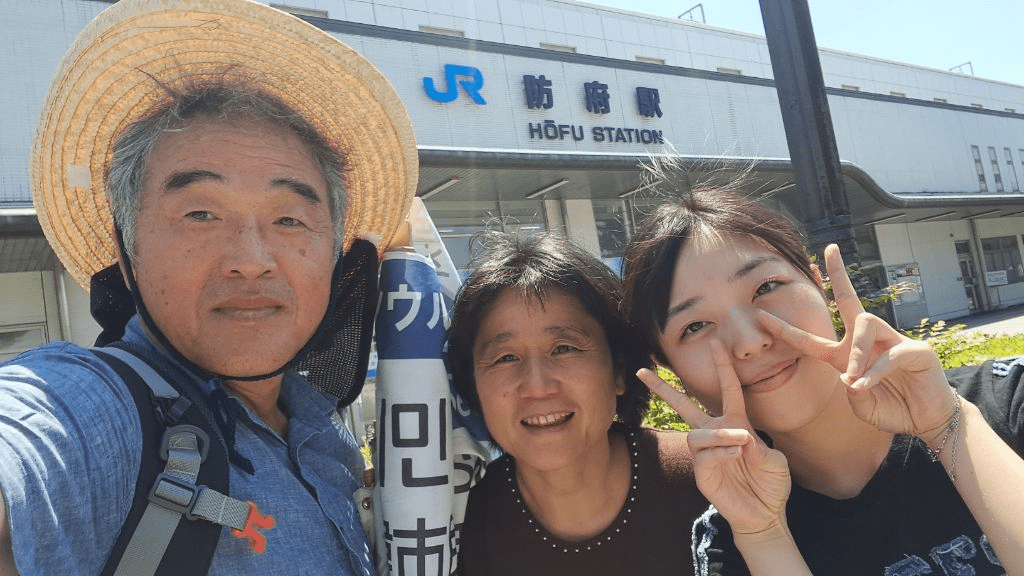
15. At Hofu station before departure in the afternoon. Yokota, who I took pictures with, is a friend of Seiki’s daughter who is studying abroad in South Korea, but she came to interpret for me today.

16. By the way, Seiki’s friend Ozaki Keiko is walking with me in the afternoon.
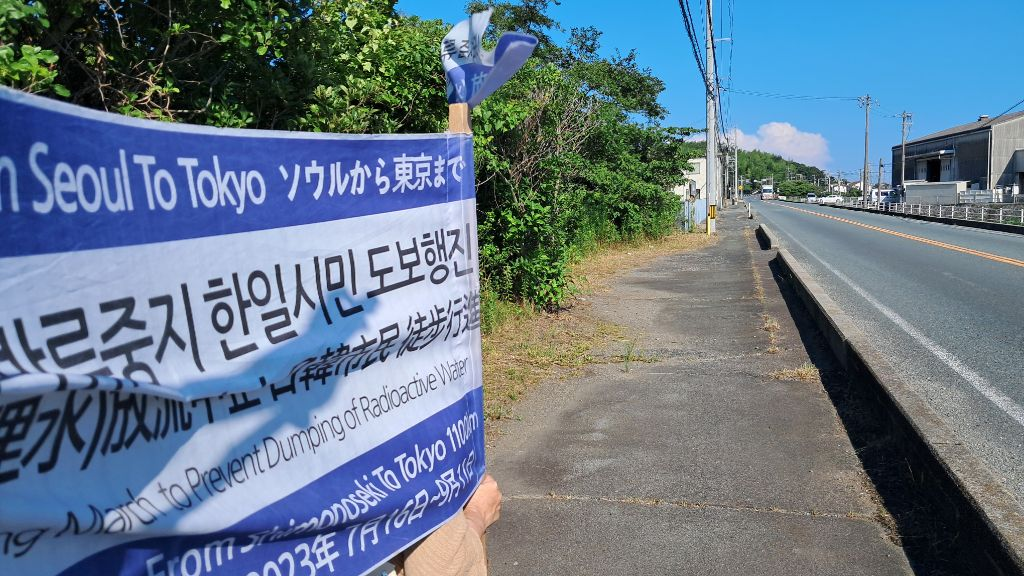
17. Start the long, long 15km at 3:00 in the heat. It’s much better for two people to carry (the banner). It was nice to have a lot of wind.
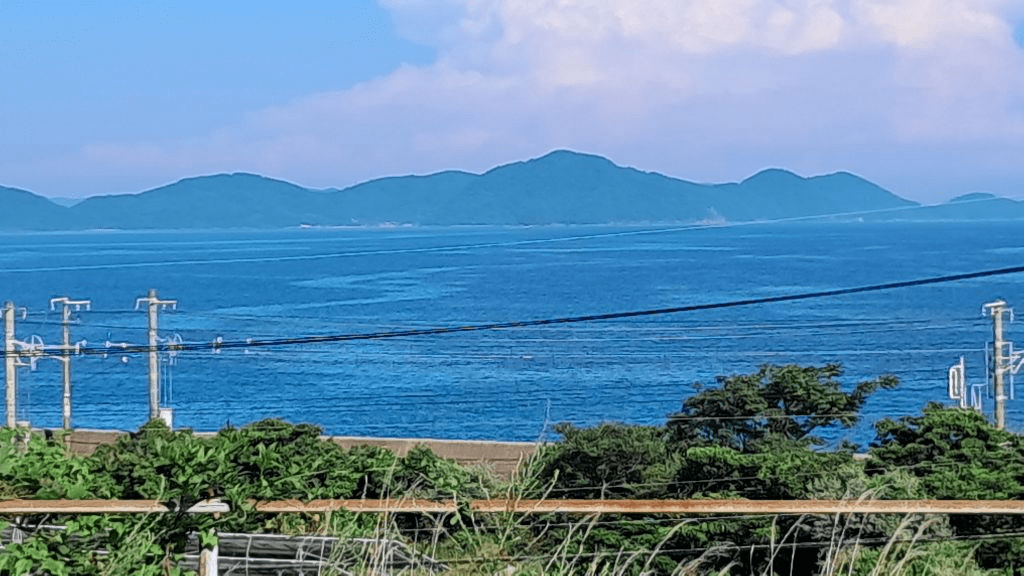
18. After walking for about an hour, we can see the sea. It reflects the color of the sky.

19. I took a commemorative photo of Mr. Ozaki at a place closer to the beach.
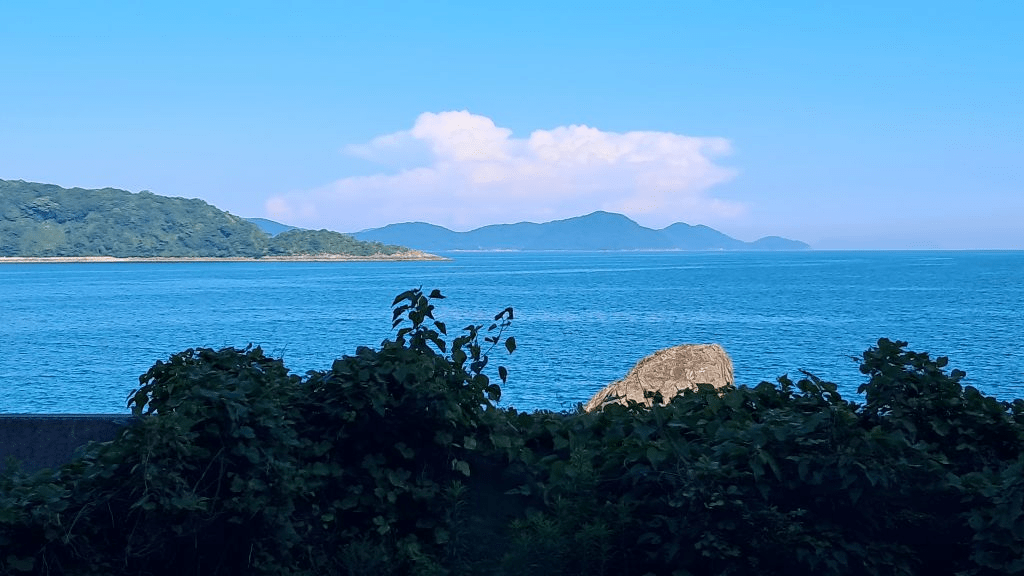
20. Great coastal views again.
21.

22. After a 7-kilometer walk, we arrive at our mid-afternoon destination, Tounomi Station.
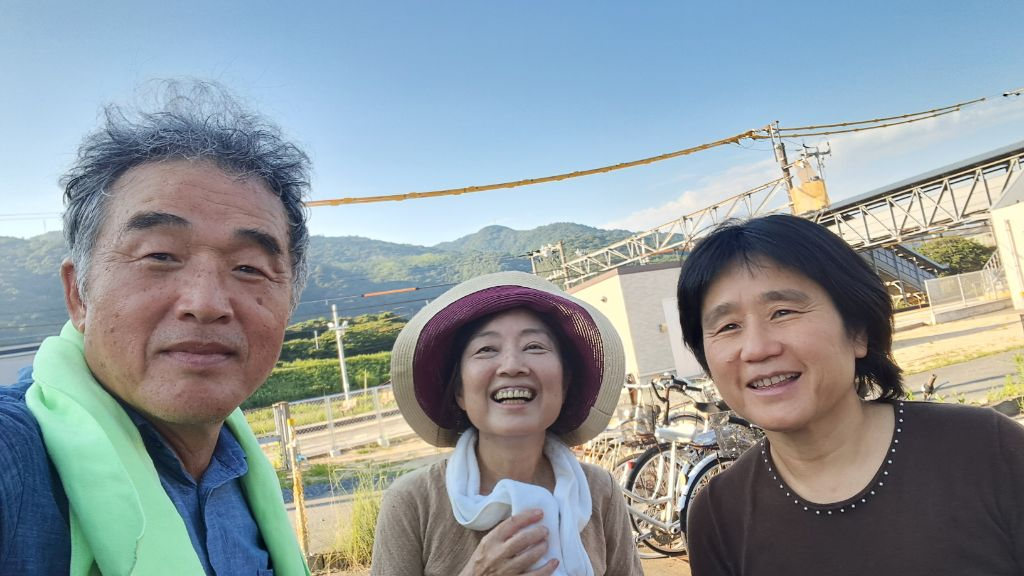
23. With Seiki-san who greeted her friends.

24. Walk alone again. At this time, I found a coin rice mill in the village.
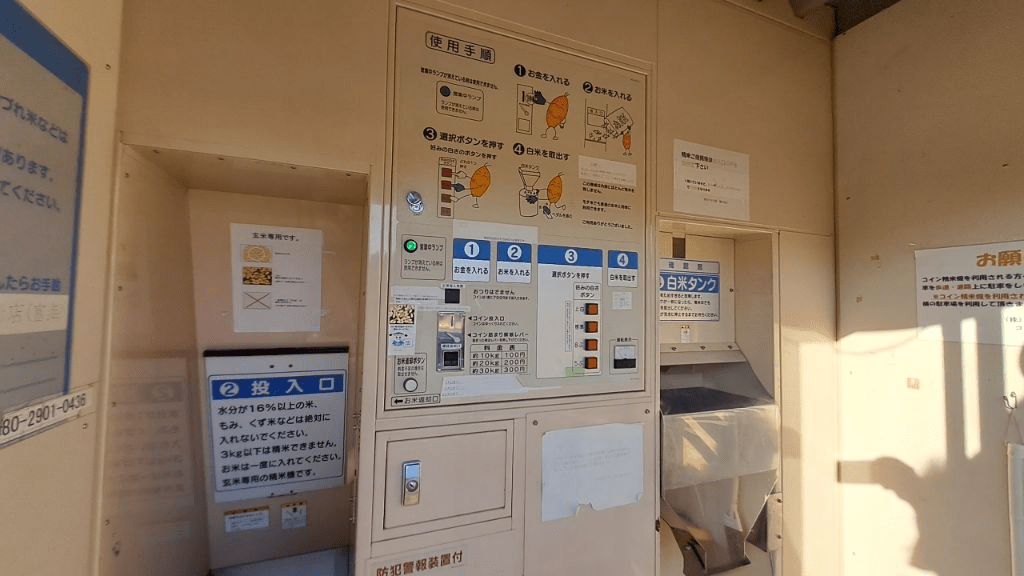
25. The taste of rice is fresh and delicious when you eat it after polishing it each time. It seems to be part of a policy to popularize delicious rice.
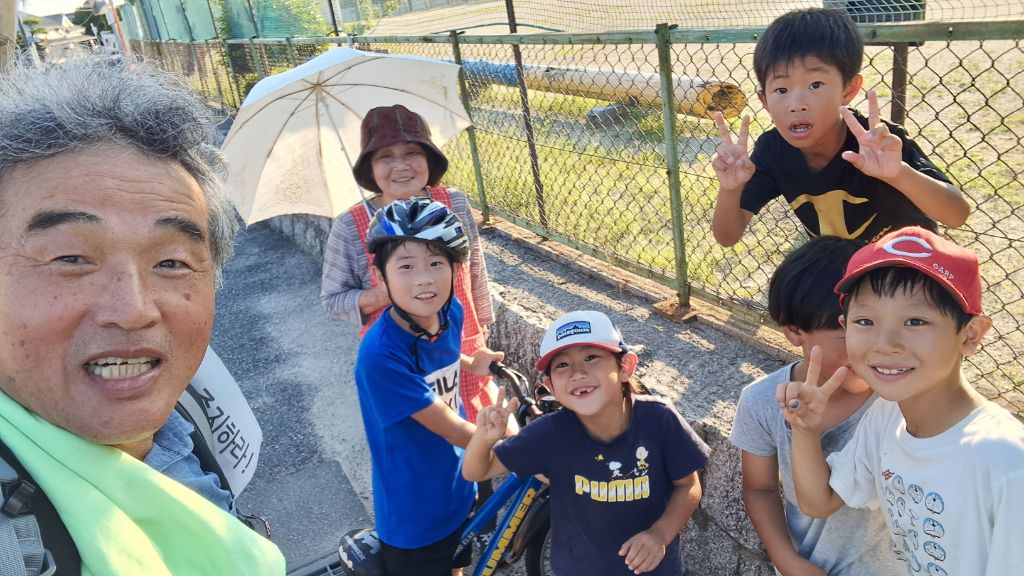
26. When I was about to leave the village, I met an old woman and children in town. They cheer when I show them the pamphlet and tell them I’m walking all the way to Tokyo. The children make a gesture that they already know the problem of radioactive water.
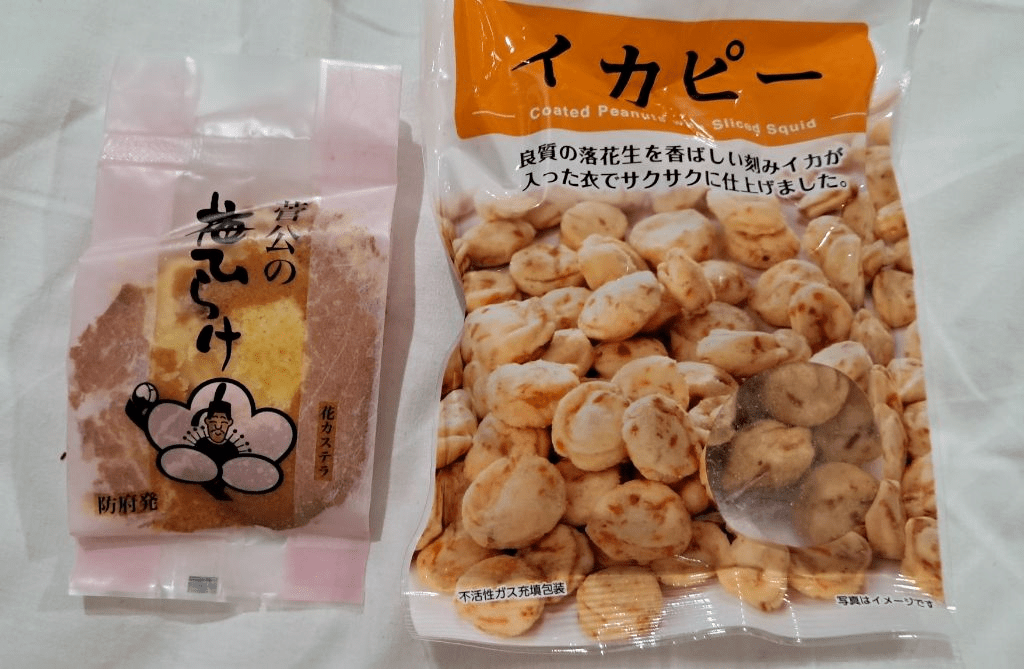
27. And after walking for a while, the child in the white clothes pictured above came along on a bicycle and gave these treats to me. so impressed.
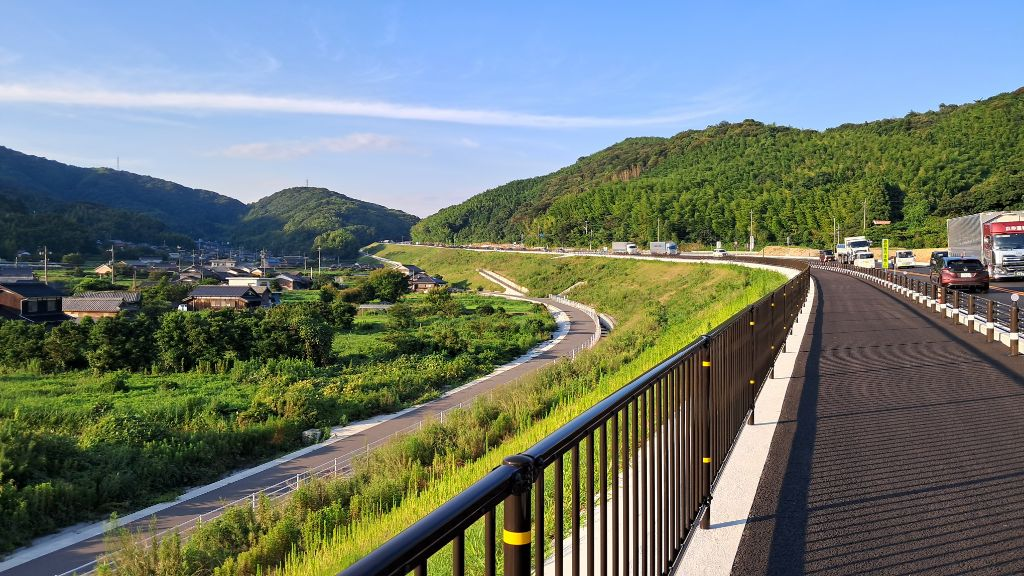
28. Joyful steps and good scenery. When passing vehicles slow down, Drivers notice at a glance that a traveler from South Korea is walking against polluted water discharge. Many people wave their hands at me.
29.
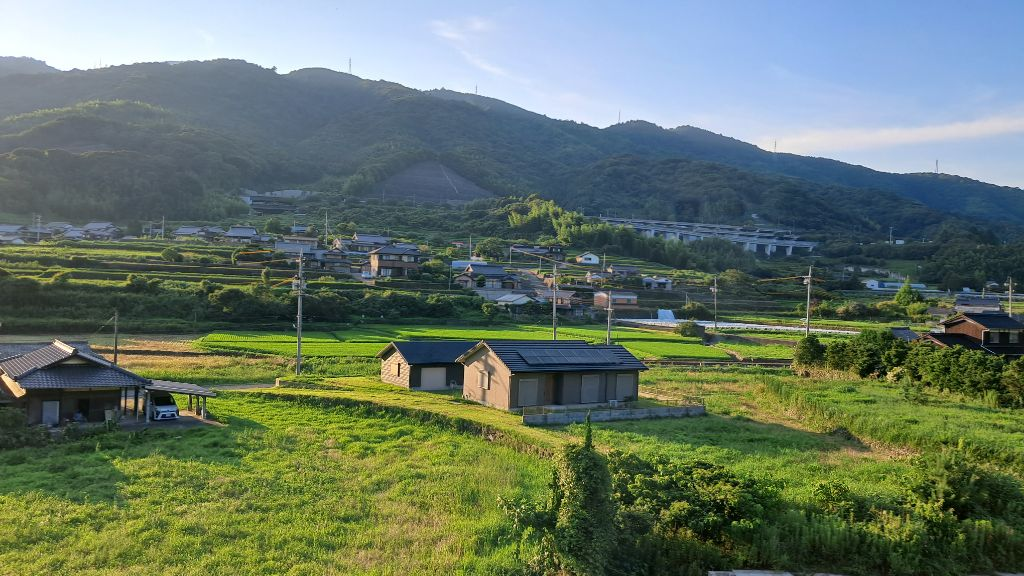
30. After walking along this road for a while,

31. Arrive at the ramen specialty restaurant that I saw on the map in advance around 6:30. Ordered the most expensive ramen. I ate it clean.
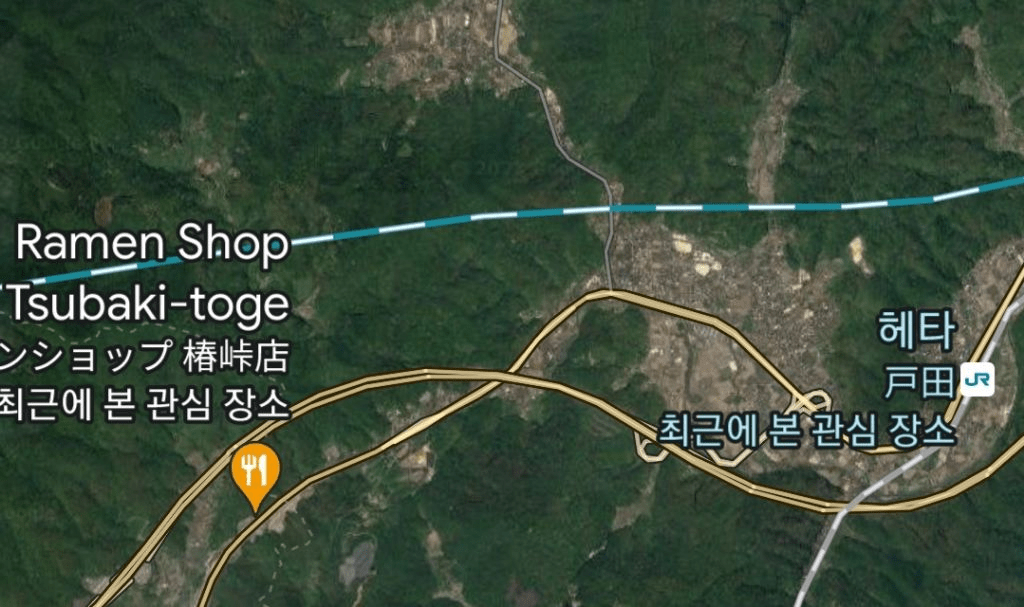
32. Today’s final destination is Toda Station.
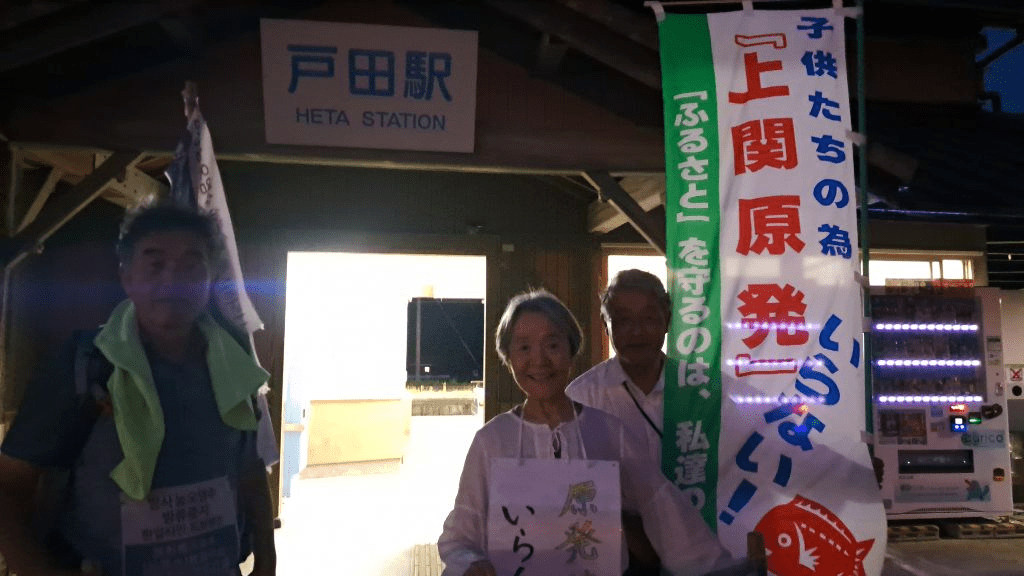
33. When I arrived around 8:00 in the dark, people from the Tokuyama region who were involved in the phase-out of nuclear power generation came to meet me at the point about 1km to the final destination. These are the people I will walk with tomorrow. be moved.
Categories: Korean-Japanese citizen walking march
 New Silk Road for Life and No-Nukes
Leave a comment